A monument built from death — and memory
From a distance, the Bone Temple doesn’t look like a place meant for the living. Towering columns of bleached bones rise into the sky, stitched together like something dreamed up by Antoni Gaudí after a nightmare collaboration with H. R. Giger. At its centre sits a pyramid of skulls — not just a warning, but a grim reminder of everything humanity has lost.
This haunting structure becomes the emotional and thematic core of 28 Years Later: The Bone Temple, a film that doesn’t just want to scare you — it wants to disturb you, challenge you, and force you to stare directly at what’s left of civilisation.
A darker sequel that assumes you’ve been here before
Unlike last year’s 28 Years Later, which balanced grief, reflection, and survival, The Bone Temple goes straight for the throat. This is a harsher, bloodier, and more psychologically aggressive chapter — and it absolutely expects viewers to already know this world.
While Danny Boyle steps aside this time, handing the director’s chair to Nia DaCosta, the franchise’s DNA remains intact thanks to Alex Garland, who has now written every chapter since 28 Days Later. The result is a sequel that feels different in texture but consistent in philosophy.
Ralph Fiennes’ Dr. Ian Kelson: science, madness, and mercy
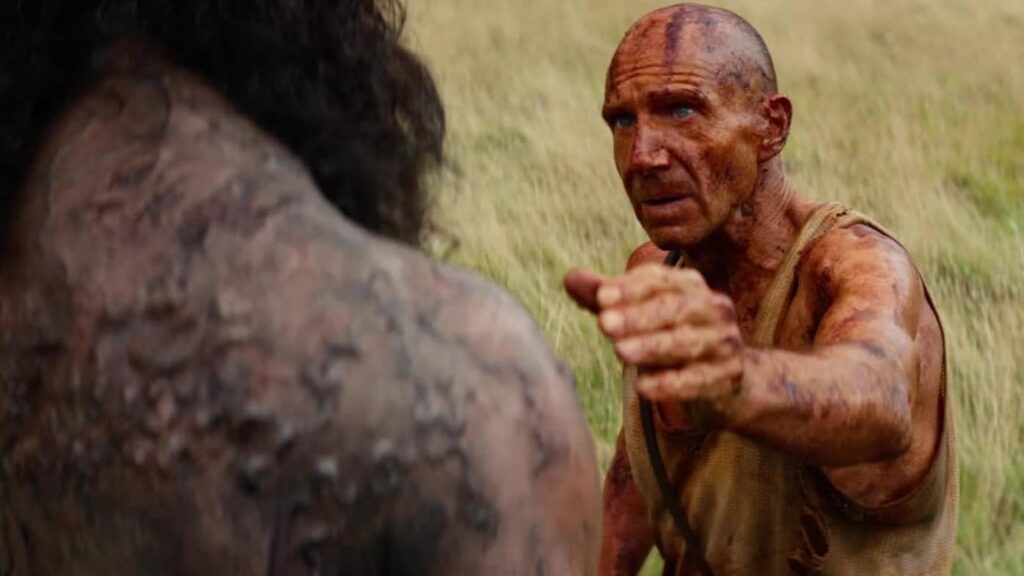
At the heart of the film is Ralph Fiennes as Dr. Ian Kelson, the eerie guardian of the Bone Temple. Introduced as a terrifying mystery figure in the previous film, Ian is now fully revealed — not as a villain, but as a deeply broken man clinging to science as humanity collapses around him.
Ian’s obsession is the Rage virus, particularly the terrifying “alphas” — hyper-evolved infected who can tear bodies apart with chilling ease. Yet Ian doesn’t see monsters. He sees patients. Applying a twisted version of the Hippocratic oath, he experiments not to dominate, but to understand.
It’s here that the franchise finally leans into the “Z-word” — zombies — while daring to ask something radical: what if they could be treated?
Enter Jimmy Crystal: cruelty dressed as charm
If Ian represents dangerous hope, Jack O’Connell’s Jimmy Crystal embodies something far worse — conscious cruelty.
Introduced through the eyes of Spike (Alfie Williams), Jimmy leads a gang known as the “Fingers,” a sadistic cult of violence that feels closer to A Clockwork Orange than traditional zombie cinema. His backstory — a priest father consumed by the virus — becomes the twisted justification for pledging allegiance to the devil himself.
Jimmy isn’t loud. He’s soft-spoken. Seductive. Smiling. And that makes him terrifying.
DaCosta frames him as one of the most unsettling horror antagonists in recent memory — a man who doesn’t kill to survive, but to belong. His initiation rituals, including forcing Spike to murder one of his own followers, mark a turning point where human evil eclipses the infected entirely.
Humans remain the real monsters
As with earlier films in the franchise, The Bone Temple argues that when society collapses, it’s not the virus that finishes us — it’s each other.
Garland’s long-running thesis returns stronger than ever: remove rules, culture, and accountability, and humanity defaults to dominance, ritual, and cruelty. Jimmy Crystal’s gang doesn’t hunt zombies to protect people. They invade homes, torture families, and destroy for pleasure.
In comparison, the infected almost feel honest.
Horror turned up to eleven
Where some felt 28 Years Later wasn’t scary enough, The Bone Temple leaves no such room for debate. This is hardcore horror, unapologetically graphic and relentless in its brutality.
The violence is extreme:
- Families bound and flayed
- Sadistic public executions
- A climactic crucifixion so shocking it triggers stunned laughter
And yet, DaCosta occasionally pulls back — particularly in quieter scenes between Ian and an alpha named Samson (Chi Lewis-Parry). These moments offer eerie calm before plunging viewers back into chaos.
Polished, controlled — maybe too controlled
Visually, this is the sleekest entry in the series. Cinematographer Sean Bobbitt moves away from the jagged, chaotic style pioneered by Anthony Dod Mantle, favouring composed frames and deliberate staging.
While this gives the film confidence and clarity, it also sacrifices some of the raw, anarchic energy that made earlier installments feel so immediate. Everything here feels designed — effective, but occasionally self-aware.
Final Verdict
28 Years Later: The Bone Temple is not an easy watch — and it doesn’t want to be. It’s crueler, bloodier, and far more confrontational than its predecessor, but also intellectually richer.
Powered by a fearless Ralph Fiennes performance and anchored by Garland’s bleak worldview, the film transforms zombie horror into something closer to philosophical nightmare cinema. It asks uncomfortable questions about morality, mercy, and whether humanity deserves saving at all.
This isn’t just a sequel.
It’s a warning carved in bone.