The world of Peaky Blinders was never meant to fade quietly — and The Immortal Man makes sure of that. Years after the series wrapped up its six-season run, the Shelby legacy returns in a feature-length finale that feels less like a comeback and more like a reckoning. This isn’t just another chapter; it’s a closing statement on one of television’s most iconic anti-heroes.
With Cillian Murphy stepping back into the shoes of Tommy Shelby, and creator Steven Knight reuniting with director Tom Harper, Peaky Blinders: The Immortal Man arrives with the weight of expectation — and the burden of ending a story that fans have lived with for nearly a decade.
Set against the looming shadow of World War II, the film shifts from crime empire politics to something far more personal: legacy, redemption, and the complicated bond between fathers and sons.
A Story That Begins Where Peace Was Supposed to Start
At the end of the original Peaky Blinders series, Tommy Shelby walked away from everything — his empire, his power, and perhaps even his identity. That quiet exit felt like closure at the time. But The Immortal Man quickly dismantles that illusion.
Tommy is pulled back into Birmingham, not by ambition, but by responsibility. His estranged son Duke, played by Barry Keoghan, has stepped into the Shelby name — and not in a way Tommy would approve of. Reckless, volatile, and driven by a need to prove himself, Duke represents both the future of the Peaky Blinders and the consequences of Tommy’s past.
Overlaying this personal conflict is a much larger threat. The film opens with the real-life bombing of Birmingham’s BSA factory during World War II, immediately grounding the story in historical urgency. A Nazi-backed operation involving counterfeit currency adds another layer of tension, turning the narrative into a race against time.
This dual conflict — internal and external — gives the film its emotional core. It’s not just about saving a city; it’s about saving a son from becoming a reflection of everything Tommy once was.
Writing That Leans Into Legacy and Symbolism
Steven Knight’s writing remains rooted in the themes that defined the series, but here, the focus is sharper and more intimate. The idea of legacy runs through every scene — what we pass on, what we leave behind, and whether redemption is ever truly possible.
There’s a poetic symmetry in how Tommy returns. In the series, he rode away on a white horse, symbolizing escape or perhaps rebirth. In the film, he comes back on a black horse — a visual cue that whatever peace he found was temporary.
Even the first meeting between Tommy and Duke — set in a muddy pig sty, where the two physically clash — feels deliberate. It strips away status and power, reducing them to two men bound by blood but divided by choices.
The inclusion of a tangible villain, played with chilling intent by Tim Roth, adds urgency to the narrative. As a Nazi sympathizer manipulating events from behind the scenes, his presence gives the film a clear antagonist, something that the series often avoided in favor of more complex moral conflicts.
Direction That Balances Atmosphere with Momentum
Tom Harper, who has previously worked on the series, understands the DNA of Peaky Blinders. He retains the show’s signature mood — dark, brooding, and cinematic — while adapting it to a feature film format.
The first half of The Immortal Man is deliberately slow, almost meditative. It takes time to bring Tommy out of his emotional exile, allowing the audience to sit with his internal conflict. This pacing might feel heavy for some, especially those expecting immediate action.
But once the narrative clicks into place, the film finds its rhythm. The second half picks up significantly, delivering the kind of tension, action, and emotional payoff that fans associate with the franchise.
Key sequences — particularly Tommy’s return to the Garrison Pub — are handled with a sense of reverence, almost like revisiting a sacred space. These moments aren’t just nostalgic; they serve as emotional anchors.
Technical Craft That Stays True to the Series’ Identity
Visually, The Immortal Man stays consistent with the aesthetic that made the show iconic. Cinematographer George Steel uses fog and muted tones to create an atmosphere that feels both oppressive and reflective of Tommy’s state of mind.
As the story progresses, the visual palette subtly shifts, mirroring Tommy’s clarity of purpose. It’s a quiet but effective storytelling device.
Editor Mark Eckersley integrates callbacks to the series through carefully placed flashbacks. These aren’t overdone, but they add emotional weight by reminding viewers of the journey that led here — from Arthur Shelby Jr to Polly Gray, and even Grace.
The music, composed by Shashwat Sachdev, continues the franchise’s tradition of blending contemporary sounds with period storytelling. The needle drops are sharp, impactful, and elevate several key moments.
Performances That Carry the Emotional Weight
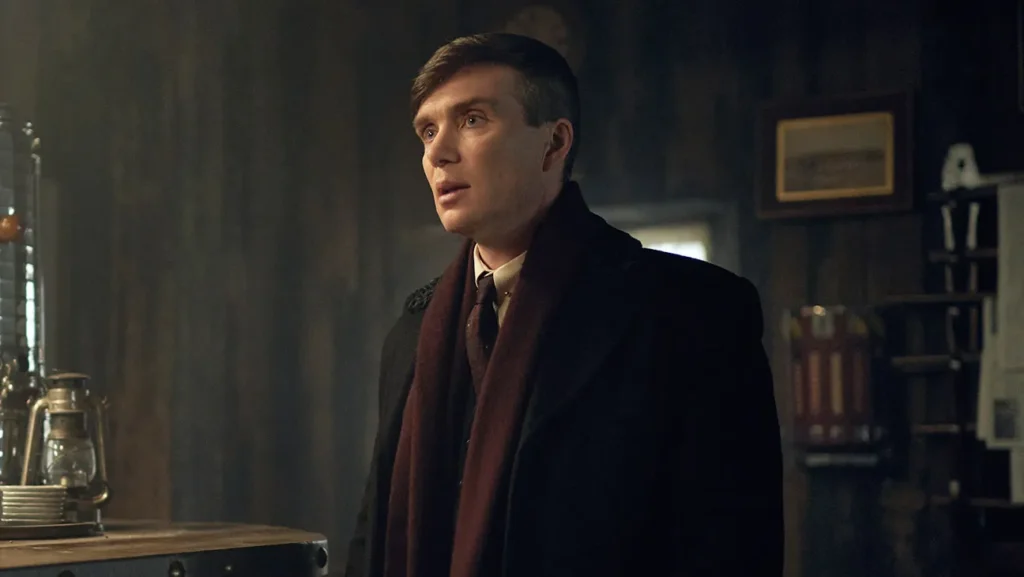
At the center of it all is Cillian Murphy, who once again proves why Tommy Shelby remains one of the most compelling characters in modern storytelling. His performance here is quieter, more restrained, but no less powerful.
Tommy isn’t just a man haunted by his past — he is the embodiment of it. Murphy plays him with a sense of inevitability, as if every decision has already been made long ago.
Barry Keoghan brings a different energy as Duke. His portrayal captures both the aggression of a young gangster and the vulnerability of someone searching for identity. The dynamic between him and Murphy forms the emotional backbone of the film.
Rebecca Ferguson, playing dual roles as Kaulo and Zelda, adds an element of mystery, though her presence sometimes feels slightly disconnected from the grounded world of the film.
Returning characters like Ada Thorne and Johnny Dogs provide continuity, reminding viewers that this story is part of something much larger than a single film.
What Works and What Doesn’t
What works strongly in The Immortal Man is its emotional depth. The father-son dynamic adds a layer of complexity that elevates the narrative beyond a typical crime drama. The film also succeeds in maintaining the tone and identity of the original series while expanding its scope.
However, the transition from a long-form series to a feature film does come with limitations. Some story arcs feel compressed, and certain character developments could have benefited from more screen time.
For fans expecting the same level of detail and slow-burn storytelling as the series, the film might feel slightly rushed in places. But as a cinematic conclusion, it manages to strike a balance between closure and continuation.
A Closing Chapter That Still Looks Ahead
Peaky Blinders: The Immortal Man ultimately feels like the end of an era — but not the end of the story. It provides a sense of closure for Tommy Shelby while subtly setting up possibilities for the future.
In many ways, the film reflects its central theme: legacy doesn’t end, it evolves.
For longtime fans, this is a satisfying, if slightly bittersweet, farewell. For newcomers, it might feel like stepping into a story already in motion. But either way, it’s clear that the world of Peaky Blinders still has more to offer.
And as Tommy Shelby proves one last time, some men don’t just survive history — they become part of it.