Rating: ★★★★½ (4.5/5)
More than a decade after The Legend of Korra concluded, the Avatar universe finally moves forward with Avatar Aang: The Last Airbender. Rather than relying solely on nostalgia, the franchise’s first animated feature chooses to tell a more mature and emotionally layered story, one that acknowledges how its audience has grown over the years. The result is a visually breathtaking adventure that feels both familiar and refreshingly new, proving there’s still plenty of life left in one of animation’s most celebrated worlds.
While many fans may be disappointed that the film is receiving only a limited theatrical rollout before arriving on streaming, that doesn’t diminish what has been achieved creatively. Every frame reflects the care that Avatar Studios has invested in expanding the franchise, delivering an experience that deserves to be seen on the biggest screen possible. Even on a smaller display, however, its artistry and emotional depth remain impossible to ignore.
Aang’s Journey Feels Older, Wiser and More Personal
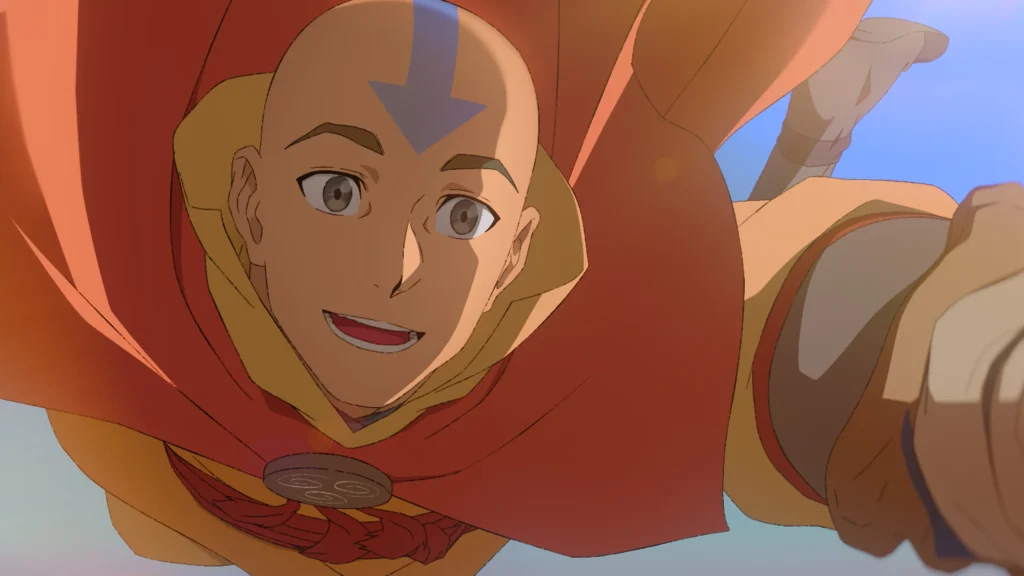
Set more than a decade after the events of Avatar: The Last Airbender, the film reunites viewers with an older Aang, who has finally brought peace to a world once divided by war. Republic City has begun to take shape, offering hope for a brighter future, yet Aang continues to carry the emotional burden of being the last surviving Air Nomad. With no elders left to guide him, he spends much of his time searching for remnants of his lost culture, hoping to reconnect with the heritage that was stolen from him.
That emotional conflict becomes the heart of the film. Instead of presenting another straightforward battle between good and evil, the story explores grief, identity, loneliness and the lingering scars left by war. When Aang discovers a dangerous group known as the Denied pursuing a sacred Air Nomad relic, the adventure naturally grows into something much more personal. His determination to preserve the last traces of his people gives every decision emotional weight, making the stakes feel genuine rather than simply world-ending.
The screenplay wisely balances its action with introspection. It asks difficult questions about rebuilding after unimaginable loss while never forgetting that this is still an entertaining fantasy adventure. The themes feel more mature than those explored in the original series, yet they never become inaccessible, allowing longtime fans and newcomers alike to invest in Aang’s journey.
Spectacular Animation Elevates Every Moment
Visually, Avatar Aang is nothing short of spectacular. Director Lauren Montgomery embraces everything that made the original series distinctive while elevating the animation to a cinematic level. The film blends Eastern mythology, martial arts-inspired bending, spiritual imagery and richly detailed landscapes into sequences that consistently impress. Whether depicting soaring Air Nomads gliding across mountain peaks, breathtaking visits to the Spirit World or beautifully choreographed elemental battles, the animation rarely stops astonishing the viewer.
The action scenes deserve particular praise because they showcase just how much Aang has evolved since audiences first met him as a young Avatar. His mastery over all four elements creates combat choreography that feels fluid, creative and visually inventive. A memorable confrontation between Aang and another Air Nomad demonstrates techniques fans have never witnessed before, while several large-scale set pieces push the franchise’s visual identity to entirely new heights.
The voice cast also settles comfortably into their older versions of these beloved characters. Eric Nam delivers a thoughtful and emotionally restrained performance as Aang, capturing both the character’s optimism and the quiet sadness that now defines much of his journey. Steven Yeun steps confidently into the role of an adult Zuko, while Dave Bautista makes a strong impression as Tagah, a mysterious Air Nomad whose arrival significantly shapes the narrative. Returning companions Katara, Sokka and Toph continue to bring warmth and familiarity without overshadowing the film’s central emotional focus.
If the film has one minor drawback, it is that some of its supporting characters could have benefited from additional development given the richness of the world around them. A few story threads conclude more quickly than expected, leaving the impression that certain ideas deserved more time to breathe. Fortunately, these are relatively small issues within an otherwise rewarding experience.
Avatar Aang: The Last Airbender succeeds because it understands that growing older doesn’t mean abandoning the wonder that made the original series so beloved. Instead, it deepens its storytelling, expands its mythology and delivers some of the franchise’s finest visuals to date. More importantly, it proves that the Avatar universe still has meaningful stories to tell beyond nostalgia alone. If this film marks the beginning of Avatar Studios’ long-term vision, the future of the franchise looks every bit as exciting as its remarkable past.