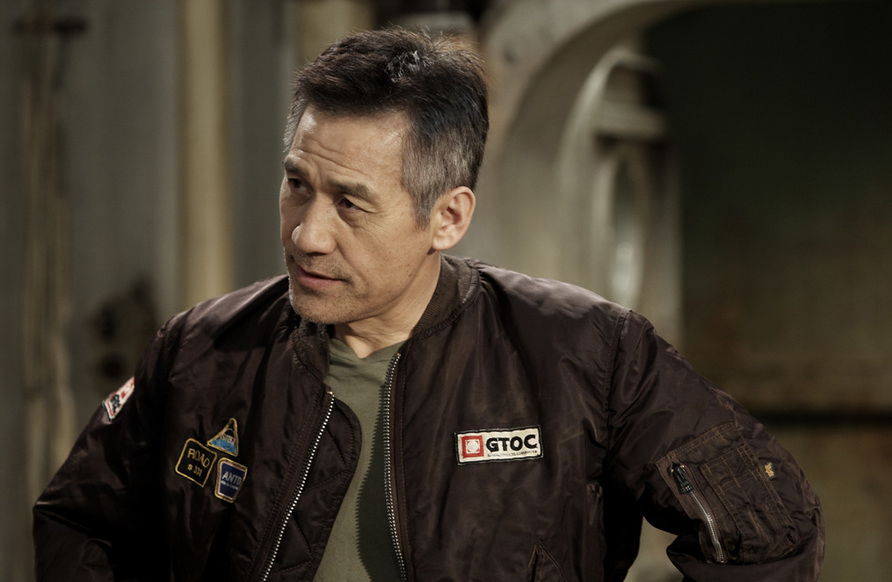
South Korean cinema has lost one of its strongest pillars. Ahn Sung-ki, a name synonymous with dignity, restraint, and artistic integrity, passed away at the age of 74 following a battle with blood cancer. His death was confirmed by his agency Artist Company and Seoul’s Soonchunhyang University Hospital, sending waves of grief across the Korean film industry and beyond.
According to reports, the veteran actor collapsed at his home on December 30 while eating and suffered a cardiac arrest. Emergency services were immediately called, but he could not be revived.
A career that shaped Korean cinema
Ahn Sung-ki’s journey in films was nothing short of extraordinary. He began acting at just five years old, debuting in The Twilight Train (1957). As a child actor, he appeared in nearly 70 films, becoming a familiar face to audiences long before most actors even consider entering the profession.
After stepping away during his teenage years, Ahn returned to cinema in the late 1970s. His true breakthrough came with Lee Jang-ho’s Good, Windy Days (1980), a performance that earned him the Grand Bell Award for Best New Actor and marked the beginning of his second, far more defining phase.
The master of quiet power
Over the next few decades, Ahn Sung-ki became known for his understated yet authoritative screen presence. He didn’t rely on flamboyance or excess emotion—his strength lay in subtlety. Films like Mandara, Whale Hunting, White Badge, Two Cops, Silmido, and Radio Star cemented his legacy.
His role in Radio Star, where he played a devoted manager to an ageing singer, remains especially beloved for its warmth and emotional honesty. In later years, The Divine Fury stood out as one of his most memorable performances for a younger generation of viewers.
Awards, respect, and an unblemished legacy
Ahn Sung-ki won a record five Grand Bell Awards for Best Actor, a feat that reflects not just popularity, but deep respect from within the industry. Known for his discipline and humility, he famously avoided unnecessary romantic scenes, once saying that he felt a responsibility to live up to the trust audiences placed in him.
In a 2023 interview cited by AP, Ahn spoke about how public expectations shaped his choices, pushing him to work—and live—with integrity.
Beyond the screen
Off-screen, Ahn was just as influential. He served as chairman of the Korean Film Actors Association, playing a key role in advocating for performers during periods of industry change and modernization. Younger actors often cited him as a mentor and moral compass within the film community.
Final farewell
Ahn Sung-ki is survived by his wife Oh So-yeong and their two sons. His passing marks the end of an era—but his body of work will continue to define what thoughtful, principled acting looks like in Korean cinema.
Final words
Ahn Sung-ki didn’t chase stardom—he earned reverence. With a career spanning over six decades and more than 130 films, he leaves behind not just iconic performances, but a standard of professionalism that few can match. Korean cinema moves forward, but it does so standing firmly on the foundation he helped build.