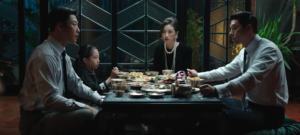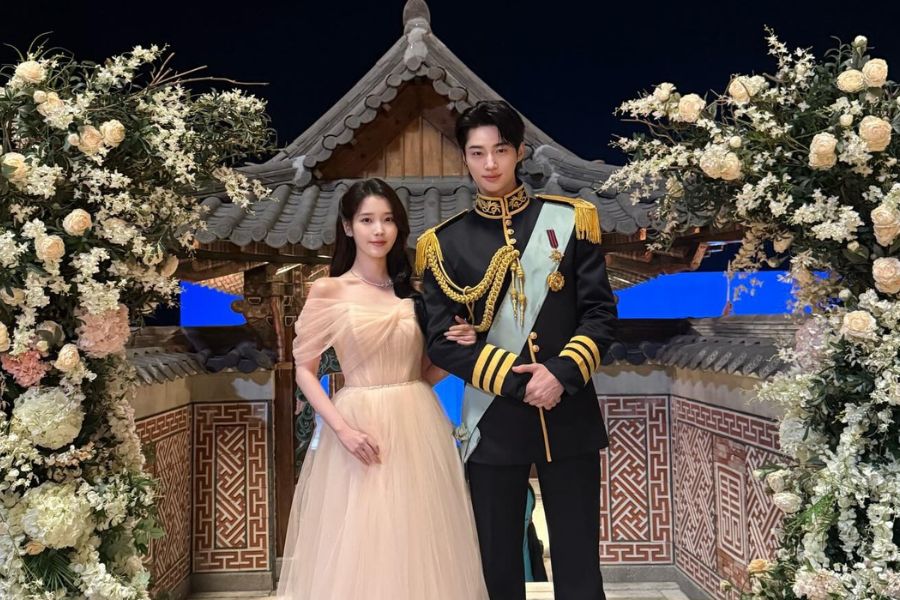
What was supposed to be one of the biggest K-drama finales of the year has instead turned into a heated cultural controversy online. Perfect Crown, starring IU and Byeon Woo-seok, faced intense backlash in South Korea after viewers accused the drama of mishandling historical symbolism and portraying Korea’s monarchy inaccurately. The criticism became so widespread that both lead actors eventually stepped forward publicly to apologise after the finale aired.
The controversy exploded mainly after Episode 11, which featured a major coronation sequence involving Grand Prince Ian, played by Byeon Woo-seok. While the series itself takes place in an alternate modern-day Korea operating under a constitutional monarchy, many viewers felt the show crossed a line by using imagery and ceremonial language associated with historical subordination to China rather than Korea’s own independent royal traditions. Online discussions quickly intensified, with criticism spreading across Korean forums and social media platforms.
One of the biggest issues centered around the use of the phrase “Cheonse” during the coronation ceremony. Historians and viewers pointed out that the chant was historically linked to tributary or vassal states, while Korean sovereign rulers traditionally used “Manse,” a term symbolizing national independence and sovereignty. Another major complaint involved the royal crown shown in the episode. Critics argued that the production used a “guryumyeonryugwan,” which was more associated with subordinate kingdoms, instead of the “shipimyeonryugwan” historically worn by independent Korean monarchs.
As backlash continued growing, the production team behind Perfect Crown released an apology acknowledging that the series failed to properly research certain royal customs and historical details. The producers promised to revise controversial audio and subtitle elements for future broadcasts and streaming versions. However, even after the official production apology, public attention remained heavily focused on the cast because of how strongly audiences connected the lead actors to the project’s messaging and representation.
After the finale aired on May 18, IU personally addressed the situation through Instagram. The actress admitted she had carefully read viewers’ criticism and felt ashamed for not approaching the role with deeper awareness regarding the historical context. IU openly stated that she should have studied the script more carefully and acknowledged she lacked proper understanding of the concerns before filming. Her statement was widely shared online because many fans felt it sounded sincere rather than like a typical celebrity PR response.
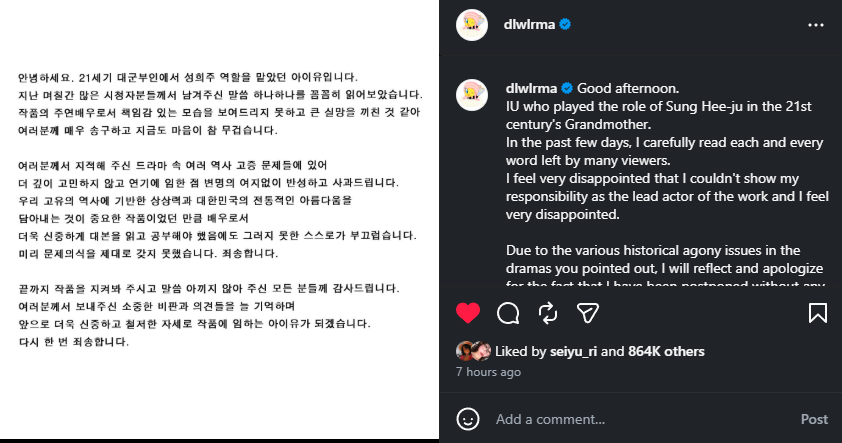
The actress also promised to become more thoughtful and cautious when selecting future projects. She thanked viewers for holding her accountable and admitted that the criticism made her reflect seriously on her responsibilities as both a performer and public figure. Considering IU’s massive popularity not only as an actress but also as one of Korea’s biggest music stars, her direct apology became one of the most discussed entertainment stories online following the finale.
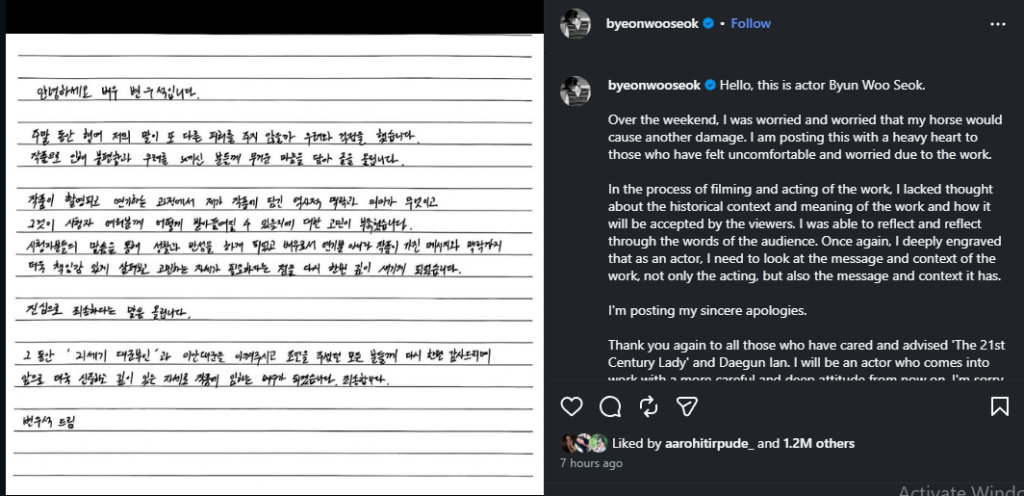
Byeon Woo-seok later released his own statement as well. The actor explained that he had spent time thinking carefully before speaking because he worried his words might unintentionally create even more hurt or misunderstanding. Byeon admitted he failed to fully consider the historical implications and audience perspective while filming the series. According to him, the controversy made him realize actors must think not only about performances but also about the broader social and cultural context surrounding a production.
The incident has once again highlighted how sensitive historical representation remains in Korean entertainment, especially when topics involving national identity or relations with neighboring countries appear onscreen. Even fictional or alternate-history dramas often face intense scrutiny if audiences believe historical symbols are being inaccurately portrayed. Korean viewers in particular tend to react strongly to depictions that appear to diminish the country’s historical sovereignty or independence.
What makes the situation especially unfortunate for fans is that Perfect Crown initially generated massive excitement because of its star power and unusual premise blending royal politics with a modern setting. The pairing of IU and Byeon Woo-seok attracted huge attention even before release, and many expected the drama to become one of the defining K-drama hits of the year. Instead, the finale period became dominated by controversy rather than celebration.
Still, some viewers online have defended both actors, arguing that responsibility should primarily fall on writers, researchers, and producers rather than performers alone. Others, however, praised IU and Byeon for publicly acknowledging the criticism instead of ignoring it completely. Either way, the debate surrounding Perfect Crown has now become much bigger than just one television show — it has turned into another example of how deeply audiences care about historical representation in modern Korean media.