🎬 Fallout after “Cop Land”
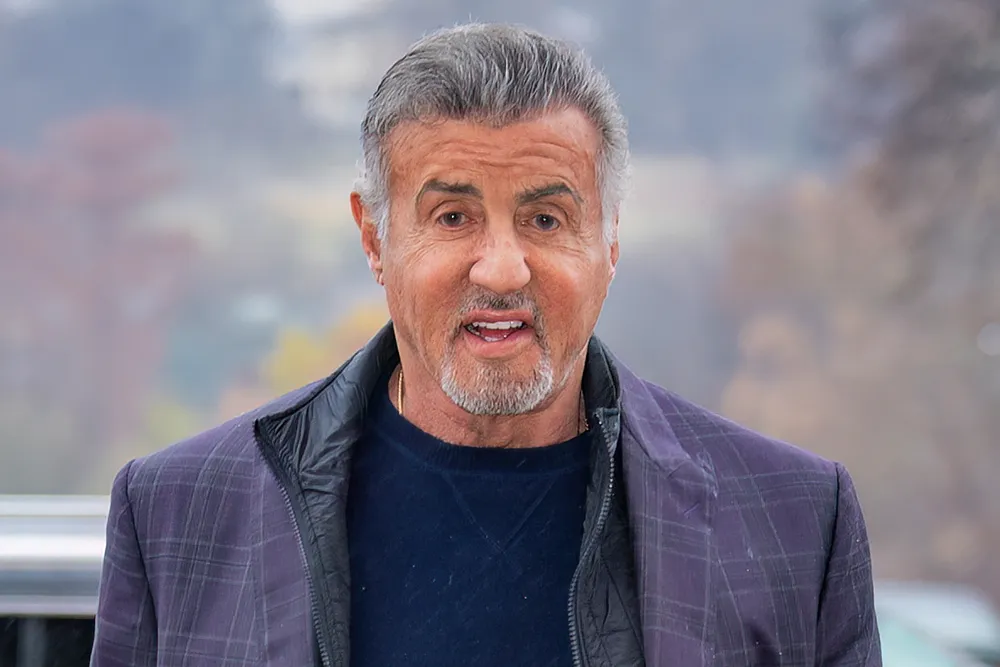
Stallone, now 79, recently opened up in an interview with AARP about a painful chapter in his career — one where Hollywood seemingly gave up on him. “For almost a decade, I couldn’t find work,” he said, recalling how his personal manager told him bluntly: “Nobody really wants you anymore.”
He described being dropped by his agency, getting dismissed from his management, and hearing that studios believed his “genre was over.” After the 1997 film Cop Land underperformed, the industry’s enthusiasm for Stallone subsided.
🧗 The climb back up
Rather than stepping away, Stallone returned to what he knew best: reinvention and resilience. He went back to his roots and embraced a formula of writing, producing and starring in projects that mattered to him. His determination to fetch back that spark of relevance paid off.
One key moment: his decision to revisit his defining character from Rocky. Despite resistance from earlier producers for Rocky Balboa, Stallone persisted, believing that going back to what had worked might be the way ahead.
Fox News
He also recognized a shift in himself — from muscle-bound action star to actor willing to lean into emotion, legacy and character. In a recent People interview, he drew parallels between his own path and that of writer-actor Taylor Sheridan, saying: “I saw the handwriting on the wall and knew I had to pivot.”
People.com
🏆 Redemption & recognition
Stallone’s comeback has been affirmed not just by box-office stats but by honors and critical reappraisals. His industry peers and the public now acknowledge the lasting impact of his work, both the highs and the lows.
He was recently honored by the Kennedy Center, an acknowledgment he described as “something I still can’t fathom,” given the tough stretch he lived through.
Fox News
📌 Why this matters
Stallone’s story underscores a broader truth in Hollywood and beyond: success isn’t always a straight ascent. There are decline-phases, snubs and rejection — but how you respond often shapes your legacy. For Stallone, the setback didn’t signal the end — it became the impetus to reinvent.
His journey also speaks to authenticity. By returning to characters and themes that resonated with him (and with audiences), instead of chasing trends, he found his way back to relevance.