A new class action lawsuit has rocked the music industry, accusing Spotify of turning a blind eye to massive streaming fraud — and naming Drake as the artist who allegedly benefited most from the inflated numbers.
Filed in federal court in California on Sunday, rapper RBX (real name Eric Dwayne Collins), who is also Snoop Dogg’s cousin, claimed that Spotify “knowingly allowed billions of artificial streams” on its platform, enriching certain artists while robbing others of fair royalties.
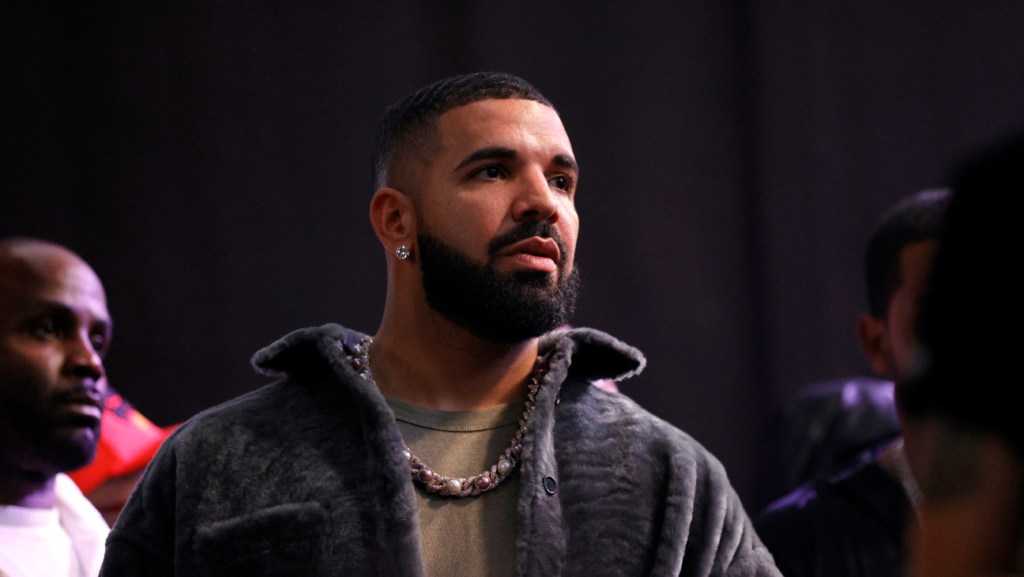
While Drake is not a defendant, the suit highlights him as a primary beneficiary of the alleged manipulation. Collins’ filing alleges that between January 2022 and September 2025, a “non-trivial percentage” of Drake’s roughly 37 billion Spotify streams were inauthentic, linked to a sprawling bot network designed to boost his stream count.
“The amount of streaming revenue that would otherwise have been distributed to legitimate rights holders but for the fraudulent boosting of Drake’s music is estimated to be in the hundreds of millions of dollars,” the complaint states.
Spotify at the Center of the Storm
Spotify is the sole defendant in the case, accused of failing to prevent — and allegedly profiting from — artificial streaming activity. The platform’s “pro rata” payout system, which distributes royalties based on each artist’s share of total streams, means that inflated stream counts for one artist reduce payouts for everyone else.
The lawsuit argues that Spotify’s anti-fraud measures are “inadequate at best” and claims the company benefits from fake streams because higher engagement metrics help attract advertisers and boost stock value.
“The more users (including fake users) Spotify has, the more advertisements it can sell, the more profits the company can report,” the suit alleges.
Drake’s Streams Under Scrutiny
Collins claims that a significant portion of Drake’s streams show “abnormal VPN activity” — designed to disguise their true origin. He points to one instance in 2024 when at least 250,000 streams of Drake’s song “No Face” allegedly came from Turkey but were falsely geomapped to the U.K.
The suit further claims that less than 2% of Drake’s listeners account for 15% of his total streams, and 9% of his plays come from less than 1% of users — statistics Collins suggests indicate non-human, automated activity.
Spotify, however, denies any wrongdoing. In a statement, a company spokesperson said:
“Spotify in no way benefits from the industry-wide challenge of artificial streaming. We heavily invest in best-in-class systems to combat it and safeguard artist payouts with strong protections like removing fake streams, withholding royalties, and charging penalties.”
The company also cited a 2024 case in which an individual was indicted for stealing $10 million from streaming services — only $60,000 of which came from Spotify — as proof of its effectiveness in detecting and limiting fraud.
A Twist of Irony
The lawsuit arrives just weeks after Drake himself accused Universal Music Group of using fake streaming tactics to promote Kendrick Lamar’s “Not Like Us”, a diss track that topped charts earlier this year. That defamation suit was dismissed in October, though Drake is reportedly appealing the decision.
Final Words
While Drake has not been accused of orchestrating the alleged streaming fraud, the claims raise serious questions about the integrity of streaming metrics in today’s music industry. With billions of dollars in royalties potentially misallocated, the case could reshape how platforms like Spotify handle — and are held accountable for — artificial streaming.
Spotify has yet to publicly respond beyond its statement, and Drake’s team has not commented on the allegations.