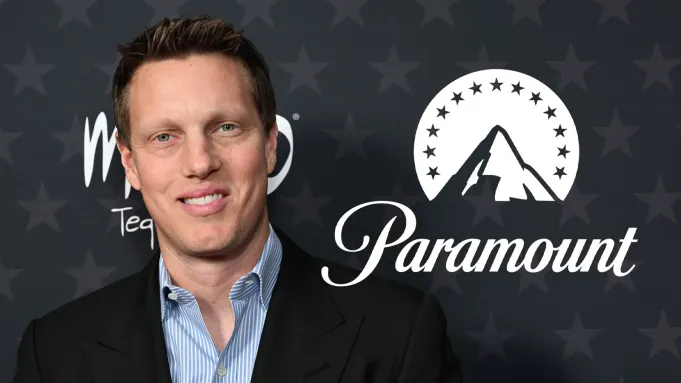
Paramount’s future in California has become increasingly uncertain as its battle with state officials over the proposed Warner Bros. Discovery merger enters a critical phase. The studio has been threatening to relocate operations out of California if the legal dispute is not resolved, putting Los Angeles officials in the unusual position of trying to convince one of Hollywood’s biggest studios to stay. Recent reports indicate that Paramount has informed the offices of both California Attorney General Rob Bonta and Los Angeles Mayor Karen Bass that it is preparing for a potential departure.
The threat has been hanging over Hollywood since the state moved to block Paramount’s proposed acquisition of Warner Bros. Discovery on antitrust grounds. Paramount CEO David Ellison has previously told senior executives that the company could begin the process of leaving California from October 1 if an agreement with the states could not be reached. The situation has now become even more urgent because the merger agreement carries a $7 million-per-day ticking fee once the relevant deadline passes.
For Los Angeles, the stakes extend beyond one company’s headquarters. Paramount has been part of Hollywood’s physical and cultural landscape for generations, and city officials are concerned about what a major studio departure could mean for entertainment jobs and production activity in the region.
Why Paramount Is Threatening To Leave California
The potential move is directly connected to the legal fight surrounding Paramount’s proposed Warner Bros. Discovery acquisition. California, joined by other states and the Writers Guild of America, is challenging the transaction on antitrust grounds, arguing that combining major entertainment businesses could reduce competition. Paramount has pushed back against the challenge and has been seeking a settlement that would allow the transaction to move forward.
Bonta has previously criticized Paramount’s relocation threat, describing it as “blackmail” aimed at pressuring his office to back away from enforcing antitrust law. His office, however, has continued to leave the door open to negotiations, while making clear that any agreement would need to contain what it considers “robust structural remedies.”
The distinction matters because the two sides have not simply been negotiating over whether Paramount stays in California. They are also dealing with the larger question of what conditions, if any, could resolve the antitrust lawsuit and allow the proposed merger to proceed. A court-supervised settlement process has been scheduled, meaning the dispute remains active even as the potential relocation becomes a separate source of pressure.
The financial clock is another complication. Paramount is expected to begin accumulating a roughly $7 million daily fee payable to Warner Bros. Discovery shareholders if the transaction remains delayed beyond the applicable deadline. Reuters reported that the U.S. Justice Department has also backed a request for a bond from the states involved in the litigation, highlighting the growing financial consequences of the legal delay.
Los Angeles Wants Paramount To Stay
Mayor Karen Bass has already publicly urged the parties to find common ground. Her administration has also emphasized the importance of protecting entertainment jobs in Los Angeles, where film and television production remains a major part of the local economy.
Steve Kang, Bass’ film czar and liaison to the entertainment industry, said the city needs to be prepared for different outcomes. “We’ve heard the same information that everybody has,” Kang said on Wednesday. “We need to be prepared for every option to be available — whether it’s true or not.”
Kang also pointed toward the mayor’s support for stronger production incentives in California and at the federal level as part of the broader effort to maintain a film-friendly environment. “Creating a film-friendly environment is our first and foremost priority,” he said. “We’re hoping they don’t leave. We’re hoping all sides are speaking to one another. This is an issue between the attorney general and Paramount. All we can do is encourage discussions among all parties.”
That leaves Bass with limited direct control over the central dispute. The antitrust case is being handled by Bonta’s office, while Paramount ultimately controls its corporate and operational decisions. The mayor can apply political and economic pressure, promote incentives and encourage negotiations, but she cannot independently settle the lawsuit.
The Deadline Is Getting Closer
Paramount’s relocation threat has become more concrete as the October deadline approaches. Earlier reporting indicated that Ellison had told Paramount’s senior executives that the company’s board had approved preparations to leave California if settlement talks did not progress. Georgia, Texas and Tennessee have emerged as possible destinations under discussions about where operations could eventually be shifted.
There has also been some movement on the negotiating front. Recent reporting says Paramount and California are expected to participate in court-supervised settlement discussions, although those talks do not guarantee that an agreement will be reached. The antitrust trial itself is currently scheduled for March 2027.
That means Paramount is effectively dealing with two timelines at once. The company has to navigate the legal challenge to its Warner Bros. Discovery transaction while also deciding how seriously to proceed with a potential California exit. For Los Angeles officials, every additional day without a resolution raises the possibility that preparations for relocation could become harder to reverse.
The uncertainty is also being watched closely because Paramount would not be the first entertainment company to move significant operations away from traditional Hollywood. Production has increasingly expanded into locations offering financial incentives and lower costs, creating a broader challenge for California as it attempts to maintain its position as a center of film and television production.
What Happens To Paramount And Hollywood Next?
The immediate question is whether Paramount and California can reach an agreement that addresses Bonta’s antitrust concerns while allowing the Warner Bros. Discovery transaction to continue. Bonta’s office has said it remains willing to participate in good-faith discussions, but the state has not indicated that it will abandon its demand for structural remedies.
Paramount, meanwhile, has declined to comment publicly on the latest reports about its plans. That leaves the precise timetable and scale of any potential relocation unclear, even though preparations for a possible departure have been reported by multiple outlets.
For Hollywood, the significance goes beyond the Paramount lot itself. A permanent move could affect studio employment, production infrastructure and the ecosystem of businesses that depend on major entertainment companies operating in Los Angeles. At the same time, the extent of any economic impact would depend heavily on what Paramount actually moves, where it moves those operations and whether the Warner Bros. Discovery deal ultimately closes.
For now, the studio remains in California and negotiations remain possible. But with the merger battle, the ticking financial costs and the relocation threat converging around the same deadline, the next few weeks could determine whether Paramount’s long-standing Hollywood presence continues in its current form.
Frequently Asked Questions
Why is Paramount considering leaving California?
Paramount is considering a potential relocation amid its legal dispute with California and other states over the proposed Warner Bros. Discovery merger. CEO David Ellison has previously linked the potential move to the antitrust settlement negotiations.
What is California Attorney General Rob Bonta’s position?
Bonta’s office is challenging the Paramount-Warner Bros. Discovery transaction on antitrust grounds and has said that any settlement would need to include “robust structural remedies.”
When could Paramount begin leaving California?
Previous plans described by Paramount executives called for the company to begin the process of exiting California from October 1, although the precise timing and scope of any move remain uncertain.
How much is Paramount’s merger delay costing each day?
The merger agreement provides for a ticking fee of approximately $7 million per day once the applicable deadline passes, increasing the cost of delays while the legal dispute continues.
What is Los Angeles Mayor Karen Bass doing to keep Paramount?
Bass has encouraged the parties to negotiate and has supported stronger production incentives in California. Her administration has also emphasized protecting entertainment jobs in Los Angeles.
When is the Paramount-Warner Bros. Discovery antitrust trial scheduled?
The antitrust trial is currently scheduled to begin in March 2027, while court-supervised settlement discussions are also expected before then.