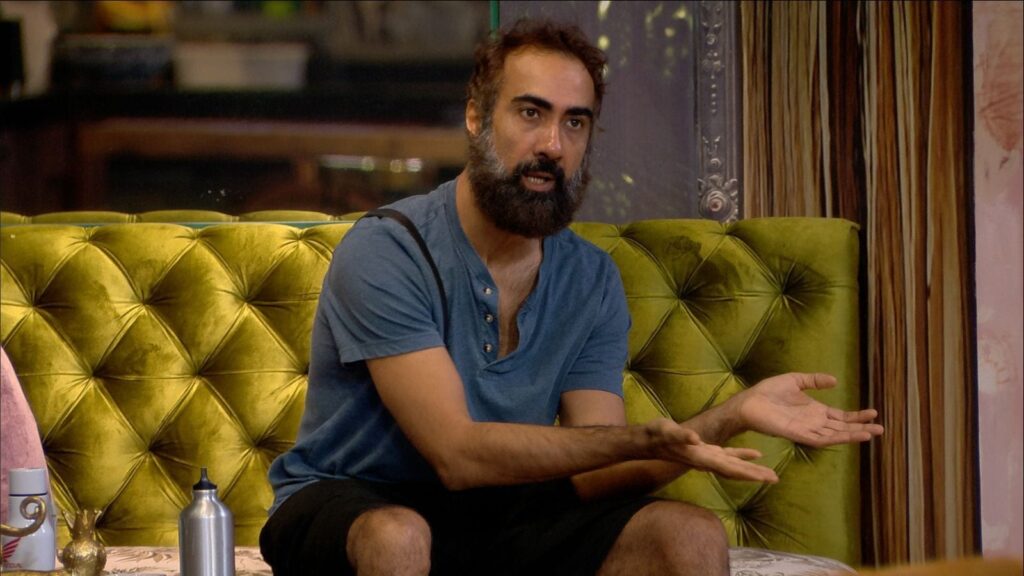
Actor Ranvir Shorey has weighed in on the ongoing debate sparked by A. R. Rahman’s recent comments about prejudice in the Hindi film industry — and he doesn’t quite agree with the narrative.
Reacting to Rahman’s remarks about facing limited opportunities in Bollywood due to what he described as “communal” factors, Shorey offered a more nuanced take, arguing that while bias does exist in the industry, it doesn’t always stem from religion or identity.
Ranvir Shorey’s Take: ‘Bias Exists, But Not Just One Kind’
Speaking to Asian News International, Ranvir Shorey said he personally hasn’t seen Rahman’s situation through a communal lens.
“I don’t think so,” Shorey said when asked about Rahman’s claim. “I’ve actually heard that he charges a lot. I can’t comment on somebody else’s life. I don’t know why he feels that way. I’m sure he has his reasons.”
However, the actor didn’t deny the existence of bias in the industry altogether.
‘Political and Feudal Bias Is Very Real’
Shorey went on to explain that his own experiences with bias have been of a different nature altogether.
“When it comes to bias, I have faced biases that are not communal in nature, but political and feudal,” he said, adding that these unspoken power structures often shape careers more than any single factor.
According to him, every artist faces obstacles, but how one navigates them defines their journey.
“If I say there are biases against me and that’s why I haven’t gotten work, that’s everyone’s struggle. It’s about how you build your career despite those biases.”
He also acknowledged that speaking openly about such issues often invites criticism, saying he knows he might be labelled as “whining,” but insisted that industry bias is complex and cannot be reduced to a single cause.
What Sparked the AR Rahman Controversy
The debate began after AR Rahman’s interview with BBC Asian Network, where the Oscar-winning composer spoke about receiving fewer offers in Hindi cinema over the past several years.
Rahman suggested that changing power dynamics and what he referred to as “communal” factors — including religion, regional identity, and industry politics — may have influenced the opportunities coming his way. His comments quickly went viral and triggered sharp reactions across social media and political circles.
His remarks about Tamilians feeling less welcomed in the Hindi film landscape further escalated the conversation, drawing responses from politicians across party lines.
Rahman’s Clarification After the Backlash
Following the uproar, Rahman released a video message clarifying that his words were misunderstood. He stressed that he never intended to hurt sentiments or accuse the industry as a whole.
Reaffirming his belief in India’s diversity, Rahman described the country as his creative inspiration and said his music has always stood for unity and cultural celebration.
Final Words
Ranvir Shorey’s response adds another layer to an already charged discussion — one that goes beyond communal identity and delves into power, politics, and privilege within the film industry.
While Rahman’s experience reflects his personal reality, Shorey’s remarks underline a broader truth: bias in Bollywood exists in many forms, and artists often battle invisible systems that go far beyond religion alone.
As the debate continues, one thing is clear — the conversation around opportunity, power, and fairness in the entertainment industry is far from over.