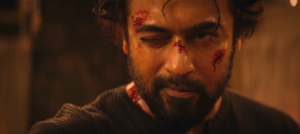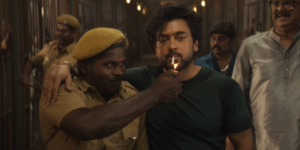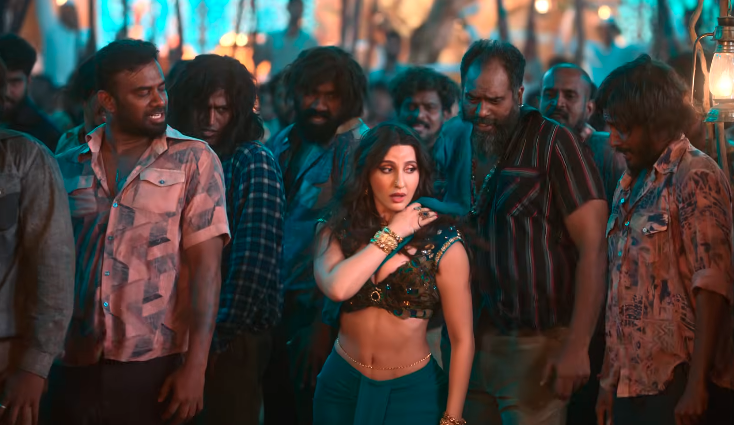
What started as an online debate over a film song has now escalated into a full-blown national conversation. The controversy surrounding Sarke Chunar, a track from the upcoming film KD: The Devil, has officially reached the Lok Sabha, with Union Minister Ashwini Vaishnaw stepping in and confirming that the song has been banned.
The issue has quickly grown beyond cinema, turning into a wider discussion about content, responsibility, and the limits of creative freedom in today’s digital age.
Government Steps In as Debate Intensifies
During a session in the Lok Sabha, Ashwini Vaishnaw addressed the controversy after it was raised by Samajwadi Party MP Anand Bhadouria. Responding firmly, the minister stated that action had already been taken against the track.
He emphasized that while freedom of speech is a fundamental right, it comes with “reasonable restrictions,” especially when content has the potential to impact society at large.
According to him, in an era where videos spread instantly across platforms, creators must exercise greater caution. He also underlined the government’s commitment to protecting vulnerable sections of society, including children and women, from potentially harmful content.
The Song at the Centre of the Storm
Sarke Chunar, featuring Nora Fatehi and Sanjay Dutt, was released as part of the promotional campaign for KD: The Devil. However, the song quickly sparked backlash for its suggestive lyrics and choreography.
A section of viewers and critics pointed out that parts of the song contained double-meaning lines and explicit undertones, which they felt crossed a line. The Hindi version of the track has since been taken down from YouTube, adding to the growing attention around the issue.
The film itself, directed by Prem, is a pan-India Kannada project that has been generating buzz ahead of its release next month.
Industry Reactions and Legal Developments
The backlash hasn’t been limited to social media. Several voices from the film and music industry have also weighed in.
The All Indian Cine Workers Association publicly criticised the track, while actor-politician Kangana Ranaut and singer Armaan Malik also expressed concerns over the content.
The situation escalated further when a criminal complaint was filed with the Delhi Police Cyber Cell. At the same time, the National Human Rights Commission issued notices to multiple bodies, including the Central Board of Film Certification and the Ministry of Information and Broadcasting, seeking clarification on the matter.
Interestingly, lyricist Raqib Alam has distanced himself from the controversy, stating that he only translated the song from its original Kannada version and had reservations about certain words.
Freedom vs Responsibility: A Bigger Debate
While the immediate focus remains on the song, the larger debate is clearly about where to draw the line between artistic freedom and social responsibility.
The government’s intervention has added a new dimension to the discussion, especially at a time when digital content spreads rapidly and reaches a wide, diverse audience.
Final Words
The Sarke Chunar controversy has quickly grown from a film-related issue into a national talking point—now echoing even within Parliament. With a ban in place and multiple investigations underway, the spotlight is firmly on how content is created, consumed, and regulated.
As KD: The Devil moves closer to release, the film now carries not just anticipation—but also the weight of an ongoing cultural debate that shows no signs of slowing down.