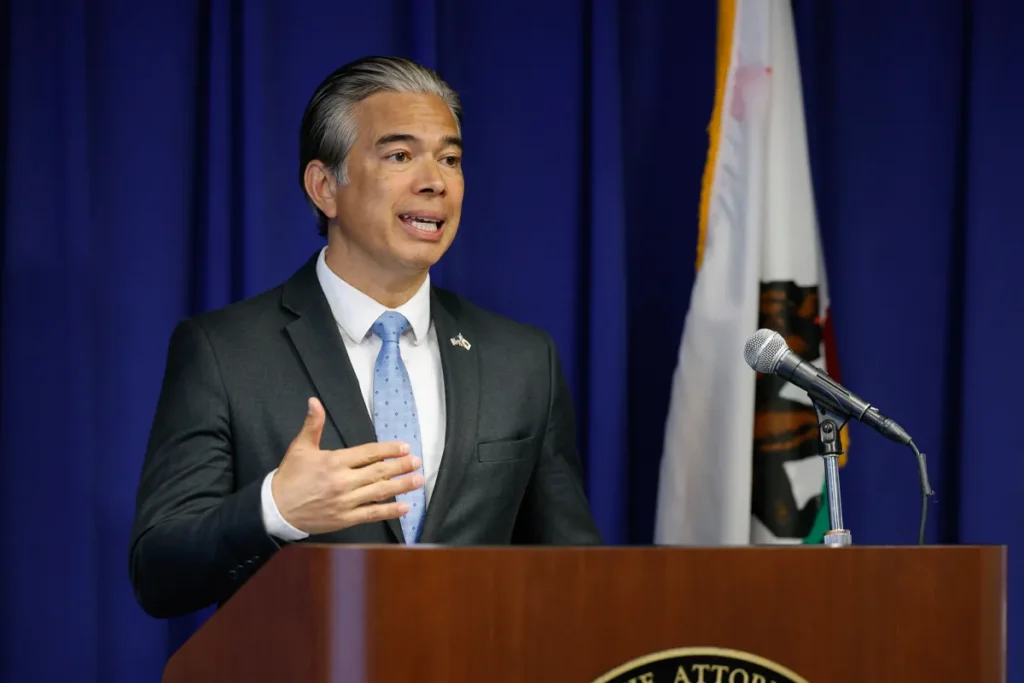
The legal fight over Paramount’s proposed $111 billion acquisition of Warner Bros. Discovery has taken another turn, with California Attorney General Rob Bonta calling off planned settlement discussions with the company. The meeting had been viewed as a possible opportunity to find a way forward before the antitrust case moves deeper into litigation. Instead, Bonta accused Paramount of acting in bad faith and said his office would only return to negotiations when the company engages more sincerely.
Bonta is leading a coalition of 12 states that is attempting to stop David Ellison’s proposed takeover of Warner Bros. Discovery. The states argue that combining the two entertainment companies would give the resulting business too much influence over important parts of the movie and television industry, particularly theatrical distribution and basic cable. With the legal fight continuing and financial pressure on Paramount increasing, the collapse of the planned talks adds another complication to a transaction that has already faced significant regulatory resistance.
Why Bonta Walked Away From The Talks
Paramount and Bonta’s office had been expected to meet Monday for preliminary discussions about a possible settlement. That meeting was canceled late Sunday after Bonta accused Paramount of misrepresenting what happened during an earlier meeting between the two sides on Friday. The California attorney general said the company had also leaked what he described as the alleged substance of settlement discussions.
“Not only did Paramount leak the alleged substance of settlement discussions, but they misrepresented these discussions, demonstrating a lack of good faith,” Bonta said in a statement sent to The New York Times. “As soon as Paramount stops playing games and engages sincerely, my office is happy to meet again.”
The wording makes clear that Bonta has not completely closed the door on negotiations. His objection is instead centered on how Paramount handled the previous discussions and what he believes was a lack of genuine engagement. That distinction matters because the state lawsuit remains active, and both sides could still have an incentive to find a resolution before the case reaches its most consequential stages.
Paramount has not publicly accepted Bonta’s characterization of the talks. The California attorney general’s office is challenging the merger alongside 11 other states, arguing that the transaction could reduce competition in several entertainment markets. The coalition has asked a court to block the deal rather than allowing the proposed combination to proceed without significant changes.
Paramount Faces Pressure To Find A Deal
The possibility of settlement had gained attention partly because Paramount had previously threatened to leave California if the state continued opposing the transaction. That threat added another layer to a dispute already involving questions about competition, Hollywood jobs and the future structure of the entertainment industry. Bonta, however, has indicated that simply making promises would not be enough and that any settlement would likely need meaningful structural remedies.
That could become a major sticking point. Structural remedies can involve selling assets or making substantial changes to the combined company’s operations, something Paramount may be reluctant to accept after spending so much effort pursuing the Warner Bros. Discovery acquisition. The company has argued that the merger would create a stronger competitor to major streaming and technology companies rather than weaken competition. Paramount has also criticized the states’ lawsuit as based on what it considers a flawed view of the modern entertainment market.
The states see the situation very differently. Their lawsuit argues that a combined Paramount-Warner Bros. would hold substantial positions in theatrical distribution and basic cable, potentially giving the company greater leverage over movie theaters and television distributors. Earlier court arguments showed how sharply the two sides disagree over the definition of the relevant markets and whether Paramount and Warner Bros. are truly competing against one another in ways that would make the merger harmful.
The broader regulatory picture is also complicated. Paramount has said the transaction has received clearance in numerous jurisdictions, including approval from the U.S. Justice Department, but the state-level challenge remains a significant obstacle. The company therefore has to balance its effort to defend the merger in court with the possibility that negotiations could provide a faster path toward closing the transaction.
The Clock Is Becoming More Important
Time is becoming increasingly valuable for Paramount because the proposed deal comes with a financial cost if it remains unfinished. Starting October 1, Paramount is expected to begin accruing a “ticking fee” of approximately $7 million per day owed to Warner Bros. Discovery shareholders if the transaction has not closed. That creates an enormous financial incentive to resolve the legal uncertainty rather than allow the dispute to continue indefinitely.
The ticking fee also explains why settlement discussions matter even if neither side wants to compromise easily. Paramount needs a path toward closing, while Bonta and the other states want assurances that a merged company will not gain excessive market power. If those interests cannot be reconciled, the dispute could continue toward trial rather than ending through an agreement.
The stakes extend beyond the two companies. Warner Bros. Discovery controls major film and television assets, while Paramount brings another major Hollywood studio and extensive television operations into the proposed combination. A successful merger would reshape the competitive landscape across Hollywood, making the outcome relevant to studios, creators, theaters, cable distributors and audiences.
For now, however, the immediate development is a setback for negotiations. Bonta has made it clear that he remains open to meeting again, but only if Paramount changes its approach. With the antitrust fight still moving forward and the financial clock approaching its October deadline, both sides have increasingly less room for prolonged uncertainty.
Why did Rob Bonta cancel the Paramount settlement talks?
Bonta canceled the planned meeting after accusing Paramount of leaking and misrepresenting the substance of an earlier settlement discussion. He said the company had demonstrated a lack of good faith.
What is the Paramount-Warner Bros. deal worth?
David Ellison’s proposed acquisition of Warner Bros. Discovery is valued at approximately $111 billion. The transaction is facing an antitrust challenge led by California and a coalition of 12 states.
Why are California and other states opposing the merger?
The states argue that combining Paramount and Warner Bros. Discovery could give the resulting company excessive power in areas including theatrical distribution and basic cable. They are asking the court to block the transaction.
Could Paramount and California still reach a settlement?
Yes. Bonta said his office remains willing to meet again if Paramount engages sincerely. However, he has indicated that a settlement would likely require structural remedies, which could make negotiations difficult.
What happens if the Warner Bros. deal does not close by October?
Paramount is expected to begin paying a “ticking fee” of about $7 million per day to Warner Bros. Discovery shareholders starting October 1 if the transaction remains unfinished. That deadline increases the pressure on Paramount to resolve the legal dispute.
When could the Paramount-Warner Bros. legal fight reach trial?
The timing remains part of the ongoing legal process. The states and Paramount have been pushing for different schedules, meaning the court still has to determine the precise timetable for the antitrust proceedings.