Intro
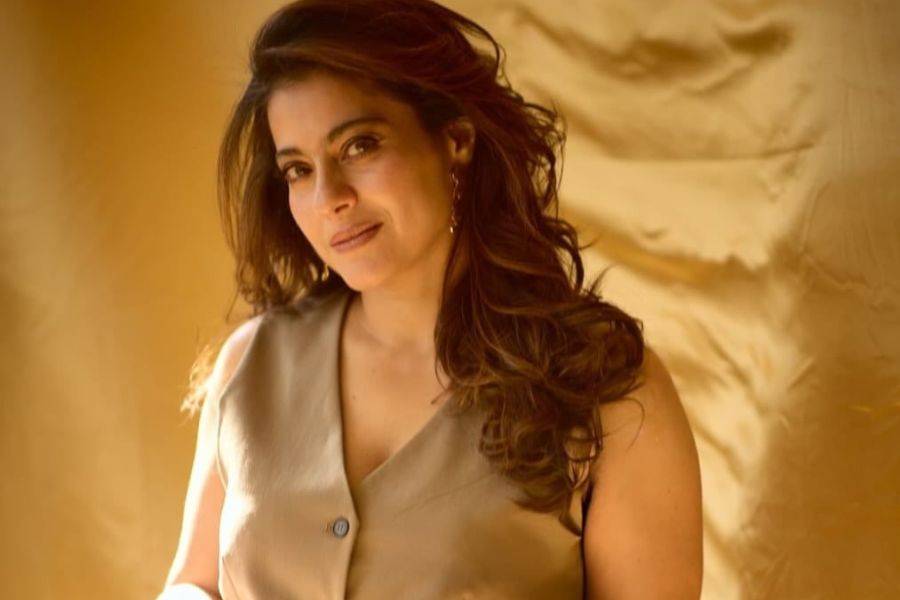
Bollywood actor Kajol has moved the Delhi High Court seeking protection of her personality rights — and the court has now granted her interim relief.
In a significant order, the High Court has restrained the unauthorised commercial use of Kajol’s name, image, voice, or likeness, including misuse through artificial intelligence and deepfake technologies.
The move places her among a growing number of celebrities taking legal steps to safeguard their identity in the digital age.
What the Court Ordered
According to reports, Justice Jyoti Singh directed that no individual or entity may exploit Kajol’s identity for commercial purposes without her consent.
The interim order specifically prohibits:
- Selling merchandise using her name or image
- Creating digital or promotional content without approval
- Generating or circulating AI-driven deepfake videos or morphed images
- Publishing obscene or inappropriate material using her likeness
The court also directed the removal of any objectionable content already circulating online.
The order reflects rising judicial awareness around the misuse of celebrity identities in an era of rapid technological advancement.
A Growing Legal Trend
Kajol is not alone in this battle.
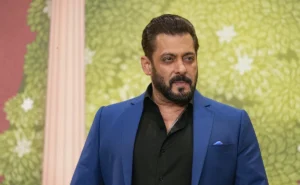
In recent months, several high-profile figures — including Amitabh Bachchan, Salman Khan, Aishwarya Rai Bachchan, Hrithik Roshan, and Karan Johar — have approached courts seeking similar protections.
The Bombay High Court recently passed comparable orders in favour of members of the Bachchan family and others, reinforcing stricter safeguards against unauthorised commercial exploitation.
Singer Jubin Nautiyal also sought relief in the Delhi High Court. However, during his hearing, the court questioned the jurisdiction, noting that he could have approached a local court in Uttarakhand. His case remains pending.
What Are Personality Rights?
Personality rights allow individuals — particularly public figures — to control how their identity is used in public and commercial spaces.
These rights generally include protection over:
- Name
- Image and likeness
- Voice
- Signature
- Catchphrases and distinctive traits
They are often divided into two key components:
- Right of Publicity – Protects against unauthorised commercial use, such as advertisements or merchandise.
- Right to Privacy – Guards against misuse that invades dignity, including deepfakes and fabricated endorsements.
With AI tools becoming increasingly accessible, courts are seeing a rise in cases related to digital impersonation and online exploitation.
Kajol’s Recent Work
On the professional front, Kajol was last seen in Sarzameen (2025) alongside Prithviraj Sukumaran and Ibrahim Ali Khan. Prior to that, she appeared in Maa, which hit theatres in June 2025.
While she continues to remain active on screen, her latest legal move underscores the importance of protecting personal identity off screen as well.
Final Words
Kajol’s interim relief marks another step in the evolving legal landscape surrounding digital identity and celebrity rights.
As deepfake technology and AI-generated content become more common, personality rights cases are likely to increase — not just for actors, but for public figures across industries.
For now, the Delhi High Court’s order sends a clear message: fame does not mean free use.