In a groundbreaking moment for both cinema and K-pop, the soundtrack of KPop Demon Hunters has reached No. 2 on the Billboard 200 chart, marking one of the most significant milestones in the history of Korean pop culture’s international expansion. This success not only cements the growing influence of K-pop beyond music charts but also highlights how the fusion of film, animation, and pop culture can create a global phenomenon that transcends language and geography.
🎬 A New Kind of K-pop Story
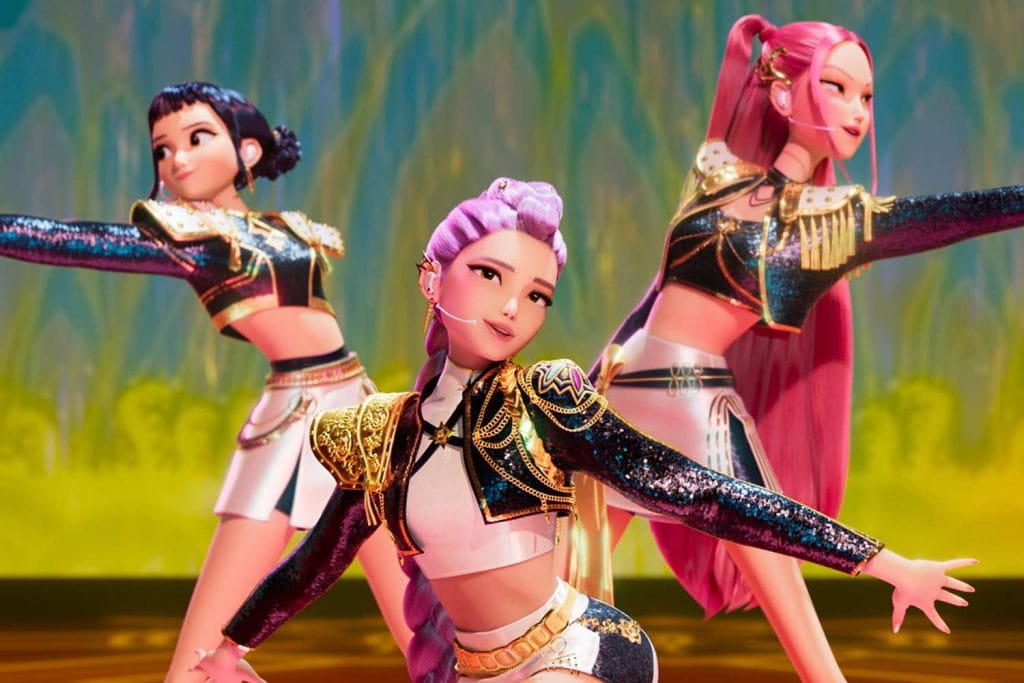
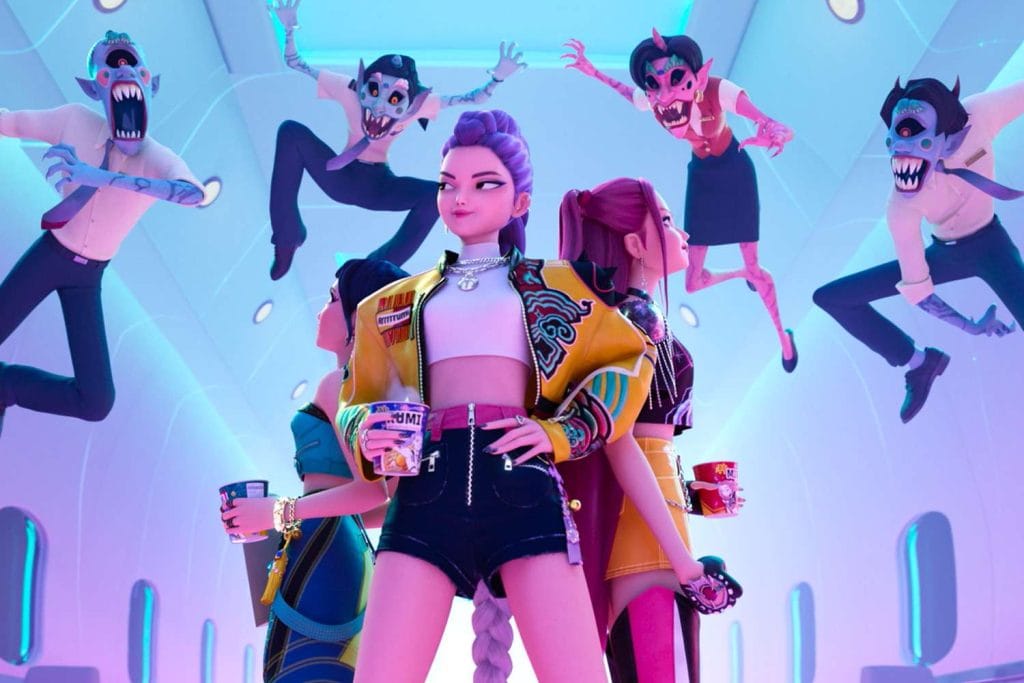
Released in 2025, KPop Demon Hunters is an animated fantasy-action film that tells the story of a fictional girl group, Huntr/x, who balance their idol careers with a secret life as demon hunters protecting humanity. The film combines thrilling action sequences with vibrant K-pop performances, dazzling animation, and a powerful soundtrack that instantly caught global attention.
Produced in collaboration with Netflix, the movie bridges the gap between Eastern pop culture and Western streaming dominance. Within days of release, it became Netflix’s most-watched non-English movie globally and soon dominated box offices across Asia. But what truly made it iconic was its music.
The soundtrack, featuring original tracks performed by real K-pop artists, became a sensation in its own right — debuting at No. 8 on the Billboard 200 and steadily climbing to No. 2, breaking multiple records along the way.
🎵 The Music Behind the Magic
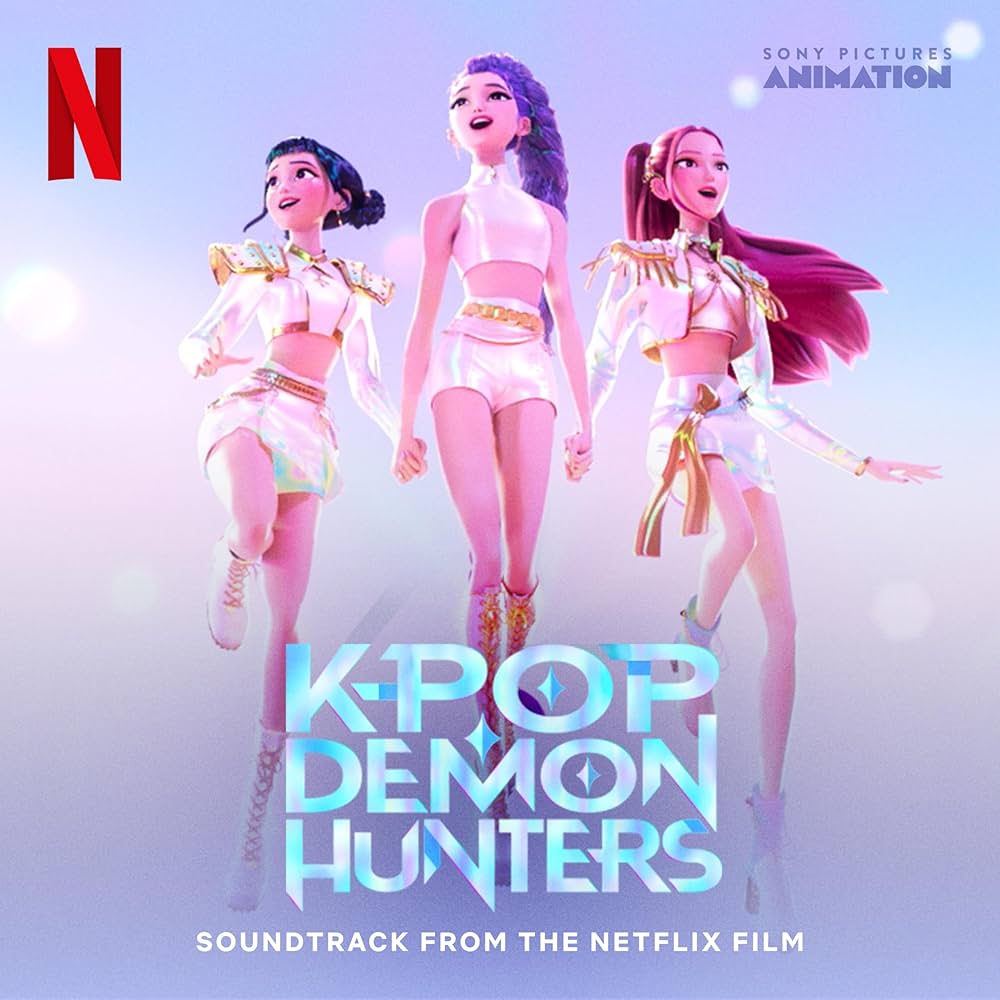
The KPop Demon Hunters soundtrack is more than just a collection of songs; it’s an emotional and sonic journey that mirrors the film’s storyline. It features powerhouse vocals, high-energy choreography-ready beats, and lush orchestral arrangements that merge traditional Korean instruments with futuristic synths.
Some of the standout tracks include:
- “Golden” – performed by the fictional in-film group Huntr/x, this anthem became an instant streaming favorite. Its blend of pop, EDM, and traditional Korean percussion gives it a distinctive sound that stands out in today’s musical landscape.
- “Lights Out” – a moody yet empowering ballad that captures the struggles of fame and identity, sung by top-tier vocalists from multiple K-pop labels.
- “Burn It Bright” – the film’s end-credits song, combining cinematic intensity with K-pop’s infectious energy, became a chart-topper on multiple digital platforms.
Each track in the soundtrack contributes to world-building — much like how Disney’s Frozen or Encanto used music as narrative depth. But here, the unique K-pop flavor — from bilingual lyrics to genre-hopping soundscapes — sets it apart from any other animated soundtrack before it.
📈 The Billboard Breakthrough
When the soundtrack debuted on the Billboard 200, it was already historic — becoming one of the few non-English albums to enter the top 10 in 2025. In its second week, it climbed to No. 3, and then surged to No. 2, powered by an explosive mix of streaming numbers, physical sales, and fan engagement.
According to Billboard’s report, the soundtrack earned over 115,000 equivalent album units in its peak week — with streaming accounting for more than half of those numbers. It also broke Spotify’s record for the most-streamed K-pop soundtrack album in a single week, surpassing even BTS’s earlier film-related projects.
The album’s global success was aided by Netflix’s aggressive cross-promotion. The streaming giant released behind-the-scenes documentaries, interactive TikTok filters, and live sing-along screenings in select theaters — creating a viral sensation. Fans around the world began sharing choreography challenges, cosplay performances, and reaction videos, pushing the soundtrack’s reach even further.
This overwhelming response shows how K-pop’s fandom-driven culture can transform a movie soundtrack into a global pop event.
💥 A Cultural Explosion
K-pop has long been known for its ability to break boundaries, but KPop Demon Hunters took that to an entirely new level. By combining elements of animation, fantasy storytelling, and pop idol culture, it captured the imagination of multiple audiences — from hardcore K-pop fans to casual Western viewers discovering the genre for the first time.
The film and its soundtrack achieved what many entertainment executives have dreamed of: a genuine East-meets-West pop culture moment that feels natural, not forced. The songs aren’t watered-down attempts to appeal to Western listeners — they stay proudly rooted in Korean culture while embracing universal themes of empowerment, friendship, and identity.
Critics have called it “the Spider-Man: Into the Spider-Verse of K-pop,” praising its visual innovation and emotional resonance. But what makes KPop Demon Hunters even more special is its soundtrack’s independent success — something few animated films can claim.
🌍 Why This Success Matters
The KPop Demon Hunters phenomenon represents much more than just chart numbers. It’s a proof of concept — showing that K-pop’s storytelling and musical innovation can thrive across different mediums.
Here’s why its Billboard success is such a big deal:
- A New Benchmark for K-pop in Film
- While K-pop artists have contributed to movie soundtracks before, this is the first time a K-pop-led soundtrack has reached such global prominence.
- It demonstrates that K-pop can drive box office and streaming success, not just dominate the music charts.
- Globalization of Korean Culture
- South Korea’s cultural exports — from music and dramas to food and beauty — are shaping modern entertainment trends worldwide.
- The soundtrack’s success reinforces K-pop’s role as a leading force in global pop culture, bridging linguistic and cultural divides.
- Revival of the Soundtrack Market
- In an era where soundtracks rarely chart, KPop Demon Hunters defied the odds.
- Its success could revive interest in film soundtracks, especially those connected to strong fan communities.
- Empowering Female Representation
- The film centers around a powerful female group, and the songs celebrate themes of courage, sisterhood, and resilience — resonating deeply with young audiences.
🎤 The Artists Behind the Sound
Though the movie features fictional groups, real-life K-pop artists recorded most of the tracks. The production brought together talents from multiple labels — a rare collaboration in the competitive world of K-pop. Some rumors even suggest members from groups like aespa, (G)I-DLE, and ITZY secretly participated in vocal sessions for certain songs, creating a blend of recognizable voices that delighted fans.
The soundtrack’s production team included both Korean and Western composers, blending global production styles. Grammy-winning producers contributed to tracks like Golden, ensuring a polished sound that could appeal to audiences in Los Angeles as easily as in Seoul.
🎥 From Netflix to Theaters: The Sing-Along Phenomenon
Following the soundtrack’s success, Netflix announced special sing-along screenings of KPop Demon Hunters in theaters worldwide. The event became a viral hit, with fans dressing as their favorite characters, waving lightsticks, and performing synchronized dances — reminiscent of live K-pop concerts.
This interactive movie experience blurred the lines between cinema and live performance, further amplifying the soundtrack’s visibility. It’s no surprise that social media platforms like TikTok and Instagram exploded with user-generated videos of fans recreating scenes, lip-syncing to songs, and even designing fan art inspired by the film.
🔮 The Future of K-pop in Film
The success of KPop Demon Hunters has opened the door for more multimedia K-pop projects. Industry insiders predict an entire wave of “K-pop cinematic universes” in development — blending music, storytelling, and animation to engage audiences in new ways.
Rumors suggest that Netflix and several South Korean studios are already planning sequels, spin-offs, and even live-action adaptations. If those projects maintain the same level of creativity and musical excellence, the fusion of K-pop and film could become one of the defining entertainment trends of the decade.
🌏 A Global Moment — and a Message
The soundtrack’s rise to No. 2 on Billboard 200 symbolizes something bigger than just a chart victory. It’s a statement — that music, regardless of language, can connect people globally when it’s made with authenticity and heart.
From the vibrant beats of Golden to the emotional resonance of Lights Out, the KPop Demon Hunters soundtrack is a celebration of what makes K-pop special: diversity, innovation, and unity through music.
As the lines between cinema, streaming, and music continue to blur, projects like this prove that K-pop isn’t just a genre — it’s a movement. One that continues to evolve, surprise, and inspire millions around the world.
💫 Conclusion
KPop Demon Hunters didn’t just entertain audiences — it revolutionized the way people experience K-pop. Its soundtrack’s stunning climb to No. 2 on the Billboard 200 is a testament to the genre’s unstoppable global rise.
More importantly, it’s a reminder that music has no borders. Whether sung in Korean, English, or a mix of both, the emotion it carries can move listeners everywhere.
With the world watching, KPop Demon Hunters has set a new standard — one where animated films can rival pop stars, and soundtracks can become chart-topping cultural phenomena. The fusion of film, music, and fandom has never been stronger, and as 2025 continues, one thing is clear: K-pop’s story is just getting started — and it’s louder, bolder, and more global than ever before. 🎶🔥