In recent weeks, the Telugu film Telusu Kada has been making headlines — not just for its trailer or its cast, but because of a controversy that started at what should have been a normal promotional event. What began as a simple question from a journalist turned into a bigger discussion about respect, media behavior, and how modern audiences react to what they see on screen.
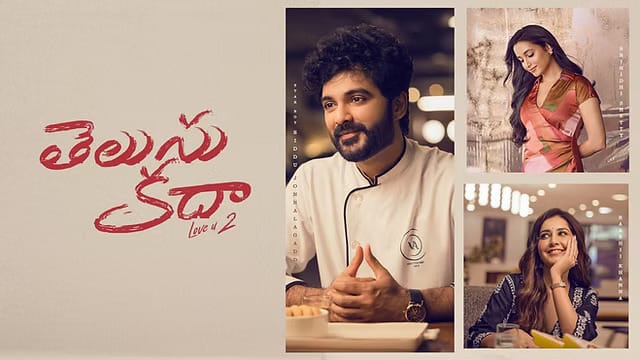
The movie stars Siddhu Jonnalagadda, Raashii Khanna, and Srinidhi Shetty, and is directed by Neeraja Kona, who is making her directorial debut. From the outside, Telusu Kada looked like a regular romantic drama, but the way things unfolded after its trailer release has turned it into one of the most talked-about Telugu films of the year.
A Quick Background
Before diving into the drama, let’s understand what Telusu Kada is about — at least from what we know so far. The trailer hints at a complex love story where Siddhu’s character is caught between two women. The tone mixes emotions, romance, and a bit of chaos. Because of that, some viewers felt that the male lead might be portrayed as a “womanizer,” someone who plays with emotions and treats relationships casually.
That impression alone was enough to stir early debates. Many fans defended it, saying it’s unfair to judge a movie based only on a trailer. Others thought the film was just another romantic drama that glorifies toxic male characters like some earlier controversial Telugu films.
And then came the main spark — a journalist’s question that changed everything.
The Question That Ignited It All
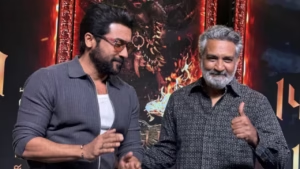
During one of the press events, a journalist asked Siddhu Jonnalagadda a question that shocked everyone in the room:
“Are you a womanizer in real life?”
Siddhu, clearly irritated, responded firmly that being an actor doesn’t mean one’s real life has to resemble their movie roles. He also said something that resonated with many people — that just because someone holds a microphone, it doesn’t give them the right to ask anything they want. He pointed out that such events are for promoting a film, not for digging into an actor’s personal life.
That single moment spread like wildfire across social media. Within hours, clips from the event were everywhere — fans, journalists, and netizens were taking sides. Some said Siddhu overreacted, while others supported him, arguing that the question was extremely disrespectful and unprofessional.
Why People Are Divided
The controversy quickly split the public into two major sides.
1. Those who support Siddhu
Many believe Siddhu was absolutely right. They say that journalists have a responsibility to maintain respect while asking questions. The query about being a womanizer, in front of cameras and an audience, wasn’t only personal but also intended to create drama. Supporters feel it was unnecessary, especially since actors often play characters completely different from who they are in real life.
They argue that the question wasn’t journalism — it was clickbait. People with microphones or media power, they say, must know where the line between curiosity and invasion of privacy lies.
2. Those who criticize Siddhu
On the other hand, some critics claim that Siddhu could have handled it more calmly. They say public figures should expect provocative questions and not lose composure. Others defend the journalist, saying that questions about characters and real-life parallels are part of film promotion, and that actors shouldn’t take them so personally.
So while some saw Siddhu as standing up for self-respect, others saw him as defensive and over-sensitive.
How the Trailer Added Fuel
Now, the reason this question even came up in the first place is because of Telusu Kada’s trailer. In it, Siddhu’s character appears to be involved with two women at the same time. The film teases love, heartbreak, and betrayal — but the tone made many people uneasy.
Some viewers accused the makers of again glorifying the “flawed, angry, and confused man” trope that’s been popular in Telugu cinema in recent years. Others compared it to films where male characters behave questionably but are still shown as heroes. This debate about how relationships are portrayed in films has been ongoing for years, and Telusu Kada accidentally walked right into that discussion.
What makes it more interesting is that the film is directed by a woman, Neeraja Kona. Many people believe her storytelling might give a more balanced and mature take on modern relationships. Others, however, are skeptical — they think the promotional material focuses too much on the “love triangle” and not enough on emotional depth.
So, when a journalist directly linked the character’s behavior to Siddhu himself, it hit a nerve that was already exposed.
The Bigger Conversation: Media Ethics and Actor Boundaries
Beyond this single movie, the incident has opened a broader discussion about how actors and journalists interact in today’s entertainment industry. In the age of viral clips and trending hashtags, many media outlets chase headlines rather than respectful dialogue.
Siddhu’s strong reaction wasn’t just about himself — it was also about setting a boundary. He made it clear that professional events should focus on the art, not the artist’s private life. His supporters praised him for bringing attention to the lack of respect some journalists show during press conferences.
This situation also reflects how the relationship between media and film stars has changed. In earlier times, journalists had limited access and asked more thoughtful questions. But now, with every press event being live-streamed and cut into viral snippets, there’s a race to create controversy that can bring quick views.
In that race, the line between bold questions and rude ones often gets blurred.
Audience Expectations and Modern Sensitivity
The Telusu Kada controversy also shows how audiences today react differently compared to before. Viewers are now more sensitive to how relationships, gender roles, and emotions are shown on screen. They expect more responsibility from filmmakers, especially when stories involve cheating, emotional manipulation, or sexism.
For years, Telugu cinema has had a mix of progressive and problematic portrayals. Audiences today don’t just watch silently; they discuss, debate, and sometimes even boycott films if they feel something crosses a moral line. So, when Telusu Kada’s trailer gave off a vibe of “two-timing,” many jumped to conclusions before even seeing the film.
The irony here is that this might not even be the film’s real story — trailers often use misdirection to create curiosity. Still, the online world moves fast, and people form opinions before a movie even releases.
Why the Controversy Got So Big
There are several reasons this issue blew up the way it did:
- The timing – The movie was about to release, and everyone was looking for something new to talk about. A viral argument between a journalist and a star provided that spark.
- Social media amplification – In today’s world, even a small clip can become a trending storm. Within hours, the video of Siddhu’s reaction spread across platforms, with everyone offering their opinion.
- Existing gender and morality debates – People are already divided about how Telugu films handle themes like love, masculinity, and responsibility. This controversy just fit right into that ongoing debate.
- Public curiosity – When there’s drama before a film’s release, more people want to watch it — whether out of interest or judgment. So even negative publicity can turn into free marketing.
What Each Side Is Missing
Honestly, both sides — the actor’s defenders and critics — are missing part of the picture.
Siddhu’s supporters are right that personal boundaries matter and journalists must act professionally. But they also need to understand that fame brings scrutiny, and actors sometimes need to handle uncomfortable moments gracefully.
On the other hand, critics who defend the journalist’s question forget that freedom of speech doesn’t mean freedom from basic respect. There’s a way to ask about character depth or inspiration without making it personal.
Instead of asking “Are you a womanizer in real life?”, the question could have been “What inspired you to play such a complex character?” — which is still sharp but professional.
So yes, both sides have valid points, but neither handled it perfectly.
What’s Still Unclear
The biggest truth is: no one outside the team has seen the full movie yet. We don’t know how the story ends, what message it carries, or how the characters evolve. Maybe the film actually criticizes double-faced behavior or shows real consequences of selfish actions.
If that happens, the trailer and controversy would look very different in hindsight. But if the film ends up romanticizing toxic behavior, then critics will feel justified. Until audiences see the full picture, all opinions are assumptions.
Also, because this is Neeraja Kona’s debut as a director, many eyes are on her to see how she handles such emotionally tricky material. People are curious whether a woman’s perspective will make a difference in how love and betrayal are portrayed.
The Real Meaning Behind the Drama
Beyond the arguments, the Telusu Kada controversy shows something important about how we consume entertainment today. We no longer just watch films — we judge, question, and dissect them instantly. Every trailer, line, or interview is a potential flashpoint.
In a way, that’s a good thing. It means audiences care about how stories are told. But it also means that we sometimes react too quickly, without giving creators a fair chance to explain.
The Telusu Kada issue is not just about a journalist and an actor. It’s a mirror showing how fragile the balance between art, privacy, and public curiosity has become.
Final Thoughts
To sum it up, Telusu Kada became controversial because of a chain of misunderstandings — a suggestive trailer, a poorly worded question, and a passionate response. What could have been a small awkward moment turned into a huge debate about respect and representation.
At its heart, the controversy reminds us of three things:
- Actors are not their characters.
Playing a complex or flawed person doesn’t make the actor that way in real life. - Media freedom comes with responsibility.
A journalist’s role is to question, but with empathy and intelligence. - Audiences must wait before judging.
Sometimes, the story on screen might surprise us with more depth than we expect.
Whether Telusu Kada ends up being loved or criticized, one thing is certain — it has already started an important conversation about the boundaries between fiction and reality, and between curiosity and respect.