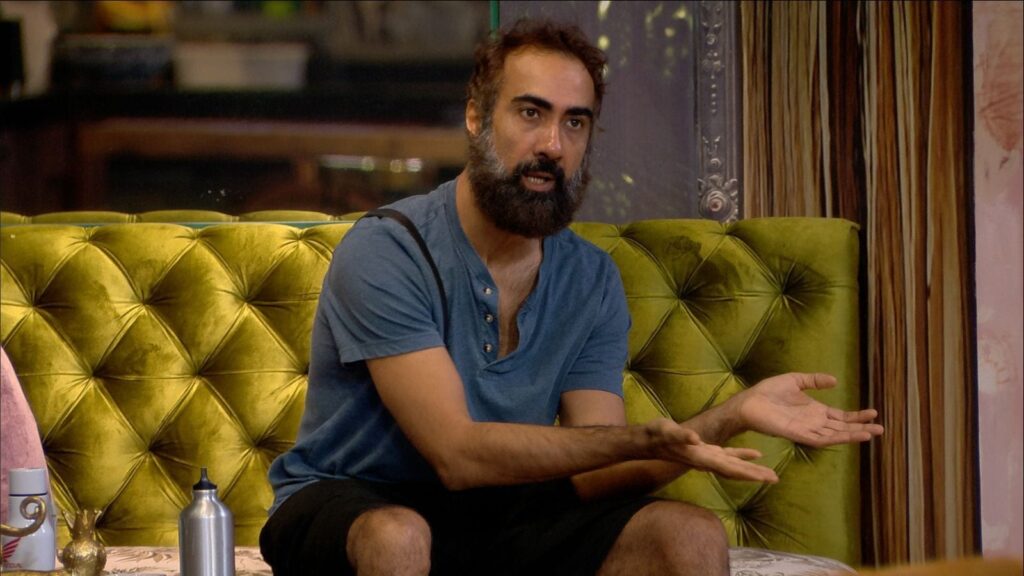
The debate around Padmaavat has resurfaced after Ranvir Shorey publicly criticised Swara Bhasker’s comments about the film’s controversial Jauhar sequence. Shorey took aim at Bhasker’s comparison between the historical practice depicted in the Sanjay Leela Bhansali film and the experience of rape survivors. In a post on X, the actor questioned the connection she had drawn and accused her of maligning one group while defending another. His response has now added another Bollywood voice to a debate that originally began around the film’s depiction of honour, violence and women’s choices.
Shorey did not hold back in his criticism, writing, “I still don’t get it! Comparing Jauhar (suicide by fire in defiance of inevitable and endless rape, violence and even necrophilia!) to rape survivors? Where’s the connection? They’re two completely different sets! The only intention can be to malign one group of people while trying to whitewash the other! Utterly shameless!” His post directly addressed Bhasker’s argument about how the scene could be perceived by survivors of sexual violence. The exchange has once again pushed the Jauhar scene from Padmaavat into the center of a wider discussion about historical representation and how cinema presents difficult subjects.
Why Swara Bhasker’s Padmaavat Comments Returned
Bhasker’s criticism of the sequence is not new. The actor had previously written an open letter to Bhansali following the release of Padmaavat, but her comments have resurfaced after she discussed the issue during a Woman, Life, Freedom talk at the India International Centre in Delhi. Speaking about her reaction to the movie, she explained that she viewed the Jauhar sequence through the perspective of someone who might have survived sexual assault.
“I was watching it, and I thought that if God forbid, I was a rape survivor, what is this film telling me? I would feel like a coward that I didn’t commit suicide to save my honour. Is that what you want to tell in a society like ours where I feel like, anyway, there is a rape epidemic? Is this what we want to tell our survivors that they don’t deserve to live, that if you actually would have been an honourable and brave woman, you would have killed yourself. Are we saying that rape is the end of a woman’s life? This scene was so problematic.”
Bhasker also recalled one particular shot that intensified her reaction to the sequence. She referred to a close-up of a pregnant woman’s belly as she participated in Jauhar and said the moment left her shouting, “Chii” in disgust. Her criticism centered on what she saw as the implication that an unborn child, potentially a girl, should not be allowed to live because she might face sexual violence under an enemy ruler. Bhasker said the scene affected her deeply enough that she waited five days before deciding that she still felt strongly about the issue and writing her letter.
Her comments subsequently drew criticism from people who argued that the Jauhar depicted in the film should be understood within the historical circumstances of the story rather than through a modern-day comparison. Some also objected to describing the women who chose Jauhar as cowardly, saying the practice was connected to the extreme violence and circumstances associated with warfare during the period being depicted.
Swara Bhasker Later Explained Her Position
As the criticism grew, Bhasker responded through Instagram and clarified that she was not calling Rani Padmavati herself a coward. Her broader argument was about what audiences could take away from the film’s depiction of Jauhar and whether the sequence unintentionally places a higher value on a woman’s sexual purity than her life. That distinction became an important part of her response after the original comments triggered backlash.
Bhasker questioned whether films should depict such material if the result could be interpreted as suggesting that death is preferable to surviving sexual violence. She also returned to the issue of rape survivors and the social pressure surrounding questions of honour, arguing that surviving an assault should never be presented as a failure or something that diminishes a woman’s worth.
The debate therefore goes beyond a disagreement between two actors. At its center is a question about how filmmakers can portray historical practices that are deeply disturbing to modern audiences while still preserving the context in which those practices occurred. Padmaavat has long been a particularly sensitive example because its depiction of Jauhar is tied to the film’s interpretation of Rajput honour, sacrifice and the threat posed by Alauddin Khilji.
Padmaavat Writer Also Defended the Scene
Bhasker’s comments have also received a response from Prakash Kapadia, the writer of Padmaavat. Kapadia defended the inclusion of the Jauhar sequence and described it as the “reality of those times,” while indicating that he did not see the renewed controversy as necessary.
His position adds another perspective to the discussion because Kapadia was directly involved in writing the film. Rather than arguing that the sequence should be removed or interpreted solely through a modern lens, his defense focuses on the historical world the movie was attempting to depict. That creates a clear divide between those judging the scene by its possible message to contemporary viewers and those emphasizing its place within the film’s historical setting.
The disagreement also highlights why Padmaavat continues to generate discussion years after its theatrical release. Bhansali’s 2018 period drama was already surrounded by controversy before release, with its portrayal of Rani Padmavati, Alauddin Khilji and Rajput history becoming the subject of intense public debate. The Jauhar sequence was always likely to remain one of the film’s most difficult moments because it deals with suicide, sexual violence, honour and historical memory at the same time.
For Shorey, however, the problem lies specifically with Bhasker’s comparison. His X post argues that Jauhar and the experience of rape survivors represent two different circumstances and that connecting them in the way Bhasker did was unfair. Bhasker, meanwhile, has framed her criticism around the message she believes contemporary viewers could take from the scene, particularly women who have experienced sexual violence.
The two positions reveal why the conversation has become so heated. One side is focusing on historical context and the circumstances surrounding Jauhar, while the other is examining the emotional and social message that a modern film can communicate to audiences. Neither the original scene nor the renewed debate is likely to disappear easily, especially because Padmaavat continues to sit at the intersection of Bollywood, history and questions about representation.
Padmaavat Jauhar Debate: Questions Answered
Why did Ranvir Shorey criticise Swara Bhasker?
Ranvir Shorey criticised Bhasker’s comments about the Jauhar sequence in Padmaavat. He questioned the comparison she made between Jauhar and rape survivors and argued that the two situations were fundamentally different. He ended his post by calling her remarks “Utterly shameless!”
What did Swara Bhasker say about the Jauhar scene?
Bhasker said she found the sequence “problematic” because she believed a rape survivor could interpret it as suggesting that suicide was preferable to surviving sexual violence. She questioned whether the scene reinforces the idea that a woman’s honour or purity is more valuable than her life.
Did Swara Bhasker call Rani Padmavati a coward?
Bhasker later clarified that she did not call Rani Padmavati a coward. Her criticism was aimed at what she believed the scene could communicate to modern audiences, particularly survivors of sexual violence. She argued that surviving rape should never be treated as something that makes a woman less brave or less worthy of living.
What is the Jauhar scene in Padmaavat about?
The sequence depicts the women of Chittor choosing Jauhar in the face of an approaching enemy and the threat of sexual violence. The practice is presented within the film’s interpretation of Rajput history and ideas surrounding honour and sacrifice. Bhasker’s criticism focuses on how that depiction can be understood by a contemporary audience.
What did Padmaavat writer Prakash Kapadia say?
Kapadia defended the Jauhar sequence and referred to it as the “reality of those times.” He also suggested that the controversy surrounding Bhasker’s comments was unnecessary. His response places greater emphasis on the historical circumstances being represented in the film.
Who directed Padmaavat?
Sanjay Leela Bhansali directed Padmaavat, which was released in 2018. The film starred Deepika Padukone as Rani Padmavati, Shahid Kapoor as Maharawal Ratan Singh and Ranveer Singh as Alauddin Khilji. Its depiction of history, honour and the relationship between its central characters generated significant controversy even before release.