A massive shake-up is quietly unfolding in Hollywood right now, and while the headline sounds like a done deal, the reality feels a bit more complicated. Shareholders of Warner Bros. Discovery have officially approved the proposed merger with Paramount Skydance, a deal valued at a staggering $111 billion. On paper, this clears a major hurdle for what could become one of the most powerful entertainment companies in the world. But at the same time, the reaction from investors shows that not everyone is exactly celebrating this move.
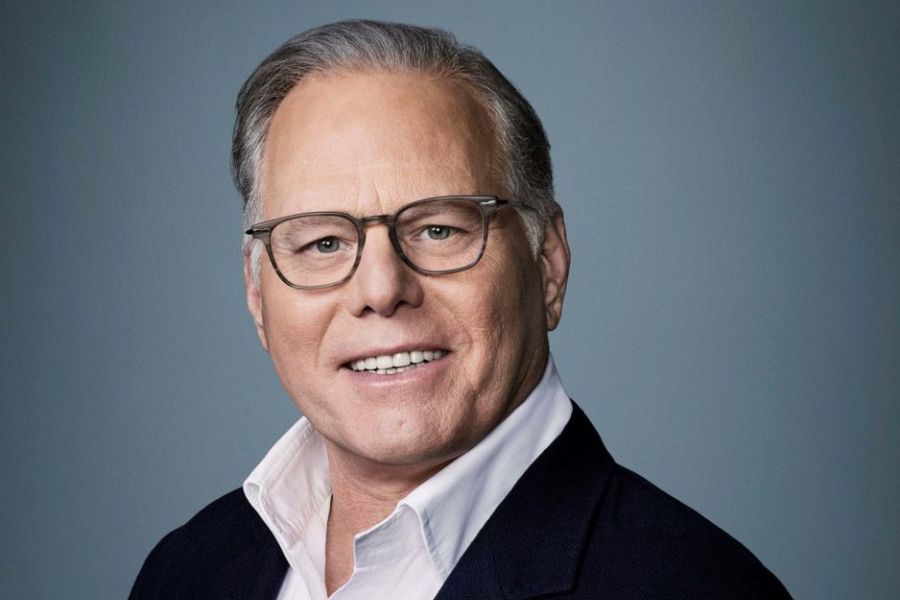
The approval came during a short virtual shareholder meeting, where investors overwhelmingly supported the merger itself. That part was expected, considering the scale and potential of combining two major content giants. But what really stood out was what happened next — shareholders pushed back strongly against the compensation packages planned for top executives, especially CEO David Zaslav.
Shareholders Say Yes To Deal, But No To Massive Payouts
While the merger got a clear green signal, the same investors voted against the huge “golden parachutes” lined up for outgoing executives. It’s important to note that this vote is advisory, meaning it doesn’t legally block the payouts. The board can still go ahead with them. But even then, the message from shareholders is quite loud — they are not comfortable with how much money is being handed out at the top.
Zaslav’s exit package alone is valued at over $550 million, including cash severance, equity in the new combined company, and additional benefits. On top of that, there are potential tax reimbursements that could push the total even higher. When you add in previously vested stock and recent share sales, the overall figure starts looking even bigger, which is exactly what has triggered frustration among investors.
Other Executives Also Set For Huge Paydays
It’s not just the CEO. Several other top executives at Warner Bros. Discovery are also in line for massive payouts running into nine figures. Names like J.B. Perrette, Bruce Campbell, Gunnar Wiedenfels, and Gerhard Zeiler are all part of compensation packages that include both cash severance and equity rewards.
From a corporate perspective, these payouts are often justified as part of merger agreements. But from an investor’s point of view, especially in a time when companies are cutting costs and restructuring, it starts to feel excessive. That contrast between cost-cutting on one side and massive executive payouts on the other is where most of the criticism is coming from.
The Deal Isn’t Fully Done Yet
Even though shareholders have approved the merger, it’s still not completely finalized. Regulatory approvals are pending, including reviews by the U.S. Justice Department and European authorities. And that’s where things could get tricky, because not everyone in the political space is on board with this deal.
Elizabeth Warren has already voiced strong opposition, calling the merger an antitrust concern and warning that efforts are underway to block it. There are also reports that multiple state attorneys general are considering legal action. So while the corporate side is moving forward, the regulatory side could still slow things down or even reshape the deal.
Hollywood Isn’t Fully Supporting It Either
The resistance isn’t limited to investors or politicians. Parts of the entertainment industry itself are pushing back. Campaigns backed by groups like the Writers Guild of America have gathered thousands of signatures opposing the merger. Their concern is simple — consolidation at this scale could reduce opportunities for creatives and lead to more control concentrated in fewer hands.
There’s also the issue of cost-cutting. Paramount has already indicated that it expects to save around $6 billion through the merger. And in most cases, savings at that level usually mean layoffs, restructuring, and fewer projects. That’s why many people within the industry are watching this deal very carefully.
What This Mega Merger Actually Means
If the deal goes through, the combined company would control an enormous portfolio of brands and platforms. This includes everything from HBO and Warner Bros. studios to CBS, Paramount Pictures, MTV, Nickelodeon, and more. It would essentially create a content giant with influence across film, television, streaming, and news.
On one hand, that could mean stronger competition against global streaming players and more integrated content strategies. But on the other hand, it also raises concerns about market dominance and reduced diversity in content creation. That’s the balance this deal is trying to strike, and it’s not an easy one.
A Big Win With A Complicated Reaction
Right now, the situation feels a bit split. For executives and dealmakers, this is a major milestone that brings them closer to building a next-generation media powerhouse. But for shareholders, creatives, and even some regulators, there are still serious questions that haven’t been answered.
The approval shows confidence in the long-term vision, but the backlash over executive pay reveals a deeper discomfort with how that vision is being executed. And until the regulatory hurdles are cleared, this story is far from over.
So yes, the deal is moving forward — but it’s definitely not moving forward quietly.