Christopher Nolan’s next big-screen gamble, The Odyssey, is still a year away — but it’s already in the middle of a full-blown online culture war.
The flashpoint? A reported casting choice. Tech billionaire Elon Musk weighed in on speculation that Lupita Nyong’o may be playing Helen of Troy in Nolan’s adaptation of Homer’s epic — and his reaction set social media on fire.
What Triggered the Backlash
The debate began on X (formerly Twitter) when users questioned Nolan’s approach to mythological casting. One post bluntly claimed, “Christopher Nolan already ruined The Odyssey,” arguing that Helen of Troy has traditionally been described as fair-skinned and blonde — “the face that launched a thousand ships.”
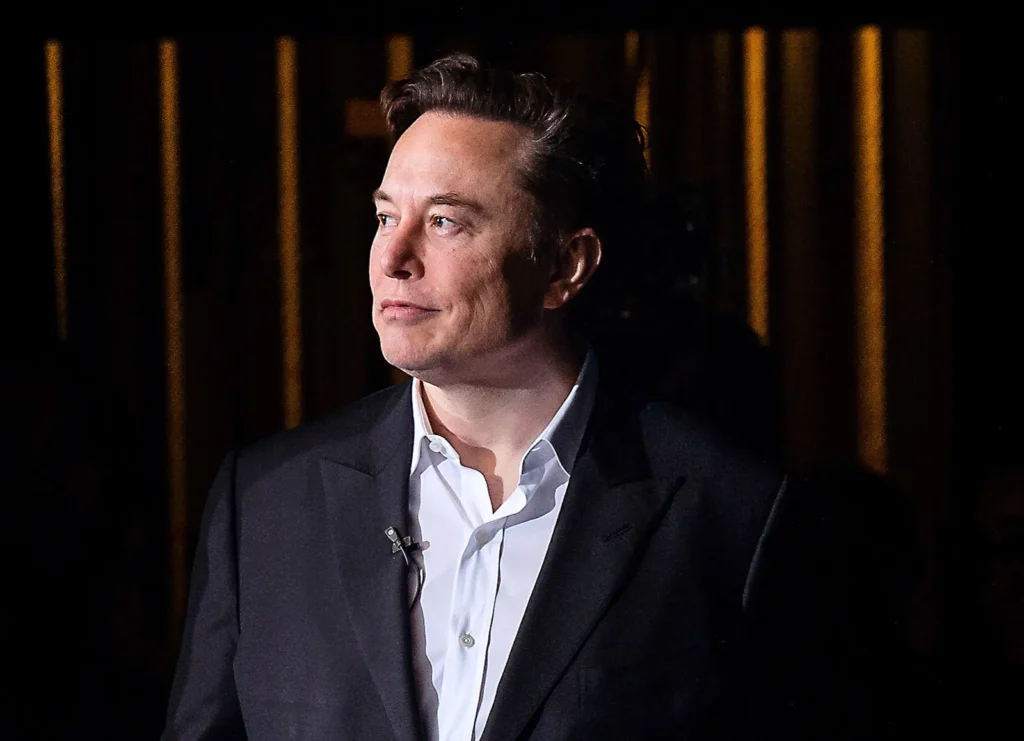
Musk jumped into the thread with a sharp response, writing that “Chris Nolan has lost his integrity.” The remark, brief but loaded, was enough to ignite days of online argument — not just about this film, but about Hollywood casting more broadly.
Notably, Lupita Nyong’o has not been officially announced by the studio. However, multiple industry reports suggest she is part of the ensemble, prompting the controversy even before confirmation.
Why Helen of Troy Became the Flashpoint
Much of the criticism centres on fidelity to classical descriptions of Helen in ancient sources. Critics argue that casting a Black actress contradicts traditional imagery tied to the character — and, by extension, undermines Homer’s original vision.
Supporters of Musk’s stance framed the issue as one of mythological consistency, not race. But critics of his comment were quick to point out the irony of demanding “historical accuracy” in a story involving gods, monsters, and divine interventions.
As one user shot back, “The Odyssey is mythology, not a history textbook. Helen isn’t a documented historical figure — ask Homer.”
The Other Side of the Debate
Plenty of voices rejected Musk’s criticism outright. Many argued that mythological characters have always been reinterpreted, reshaped, and reimagined across cultures and centuries.
Another viral response read, “Google Helen of Troy’s parents before talking about realism with a straight face.” Others defended Nolan’s creative freedom, noting that Greek myths have no single ‘canon’ and that cinema thrives on reinterpretation.
In short, the debate quickly moved beyond one casting rumour — turning into a larger argument about who gets to tell ancient stories, and how rigidly they must adhere to traditional imagery.
What We Know About The Odyssey So Far
Despite the noise, anticipation for Nolan’s film remains sky-high.
The director has assembled a heavyweight cast led by Matt Damon, who plays Greek hero Odysseus, the warrior struggling to return home after the Trojan War.
Confirmed roles include:
- Tom Holland as Telemachus, Odysseus’ son
- Anne Hathaway as Penelope, his wife
- Zendaya in a central, undisclosed role
A long list of rumoured cast members has also surfaced, including Robert Pattinson, Elliot Page, Charlize Theron, Mia Goth, Benny Safdie, Jon Bernthal, and John Leguizamo — suggesting Nolan is building one of his most stacked ensembles yet.
Nolan’s Longstanding Fascination With Epics
Interestingly, this isn’t Nolan’s first brush with Homeric territory. Early in his career, he was briefly attached to direct Troy (2004) before the project returned to Wolfgang Petersen. That detour famously led Nolan to Batman Begins, reshaping his career.
Two decades later, The Odyssey marks Nolan’s return to epic storytelling — this time fully on his own terms.
Final Words
Elon Musk’s comment may have lit the fuse, but the controversy surrounding The Odyssey reflects a much bigger conversation — about mythology, representation, creative freedom, and who defines “authenticity” in ancient stories.
For now, Nolan remains silent, the casting remains unofficial, and the debate keeps rolling. One thing, though, is already clear: The Odyssey won’t just be one of 2026’s most anticipated films — it’s already one of its most argued over.