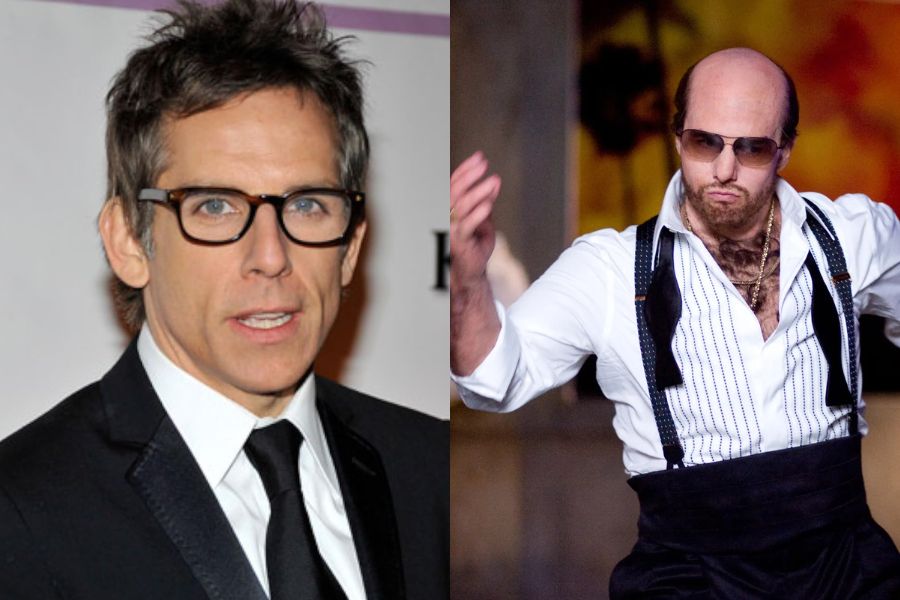
Hollywood actor-director Ben Stiller has strongly criticised the White House after a clip from his 2008 satirical comedy Tropic Thunder was used in a pro-military montage video circulating online. The filmmaker made it clear that neither he nor the creators of the film had given permission for the footage to be used and demanded that it be removed.
The controversy erupted after the official social media account of the White House shared a video that blended scenes from popular films with real footage of recent military operations.
White House Video Sparks Debate Online
The video, posted on X (formerly Twitter), runs for about 42 seconds and combines footage of recent military strikes carried out by the United States and Israel against Iran with scenes from well-known Hollywood movies, TV shows and video games.
Among the clips included were scenes from films like Gladiator and Top Gun: Maverick, along with footage from Minority Report. The montage also briefly features Tom Cruise’s flamboyant character Less Grossman dancing in the closing moments of Tropic Thunder.
Beyond films, the video pulls imagery from major pop-culture franchises such as Star Wars, Breaking Bad, Braveheart, John Wick, Superman, Transformers, Deadpool, and even the popular video game series Halo.
The montage ends with branding associated with US President Donald Trump’s administration and a bold caption reading: “JUSTICE THE AMERICAN WAY.”
The mix of Hollywood action sequences with real-world military footage quickly triggered debate online, with many questioning the use of entertainment imagery in a political and military context.
Ben Stiller Responds Strongly
Ben Stiller reacted swiftly on social media, expressing his frustration over the use of footage from Tropic Thunder.
In his post, the actor wrote:
“Hey White House, please remove the Tropic Thunder clip. We never gave you permission and have no interest in being a part of your propaganda machine. War is not a movie.”
His comment quickly gained traction online, drawing both support and criticism from social media users.
When one user criticised the film itself, calling it a “horrible movie,” Stiller responded calmly, saying the person was “entitled to your opinion.”
Another user suggested that the brief clip from the Less Grossman dance scene was harmless and not propaganda. Stiller replied that films about war are often made to protest or critique it, rather than glorify it.
About the Film Tropic Thunder
Released in 2008, Tropic Thunder became one of the most talked-about comedies of its time. Directed by and starring Ben Stiller, the satirical action-comedy takes aim at Hollywood’s obsession with big-budget war films.
The movie featured an ensemble cast including Robert Downey Jr., Jack Black, and Tom Cruise, whose cameo as the outrageous studio executive Les Grossman became one of the film’s most memorable moments.
Over the years, the film has developed a cult following thanks to its sharp satire of the entertainment industry and its over-the-top comedic performances.
Conflict in West Asia Adds Context to the Controversy
The controversy comes during a period of heightened geopolitical tension in West Asia.
On February 28, the United States and Israel reportedly carried out a joint operation targeting Iranian leadership. The strikes led to the death of Iran’s Supreme Leader Ayatollah Ali Khamenei, along with several senior figures.
In response, Iran launched retaliatory missile and drone attacks across multiple countries in the region, escalating tensions and affecting global markets, airline routes, and fuel prices.
Against this backdrop, the White House montage has drawn criticism from some observers who believe mixing Hollywood entertainment clips with real military operations may blur the line between war and spectacle.
Final Words
Ben Stiller’s reaction highlights a growing concern among filmmakers about how their work can be repurposed in political messaging without permission. For the Tropic Thunder director, the issue is simple: entertainment and warfare should not be presented in the same frame.
Whether the clip will actually be removed remains unclear, but the debate it has sparked shows how quickly pop culture and politics can collide in the social media era.