A new coming-of-age drama is quietly taking shape in London, and it’s already building curiosity for how personal and grounded it feels. Florence Hunt is set to lead Bare, marking the feature directorial debut of Lorna Tucker. The film isn’t just another scripted story — it’s rooted in Tucker’s own life experiences, which gives the entire project a sense of authenticity that you can’t really fake. And that tone, from everything we know so far, seems to be at the heart of what Bare is trying to achieve.
At the center of the story is Sophie, a young runaway navigating the harsh realities of life on London’s streets. But instead of turning it into a purely dark narrative, the film leans into something more layered. It explores survival, yes, but also belonging, connection, and the slow process of finding yourself again after losing everything. That balance between rawness and hope is what the makers are emphasizing, describing it as a story about people who often go unseen — those who slip through the cracks of society but still find ways to hold on.
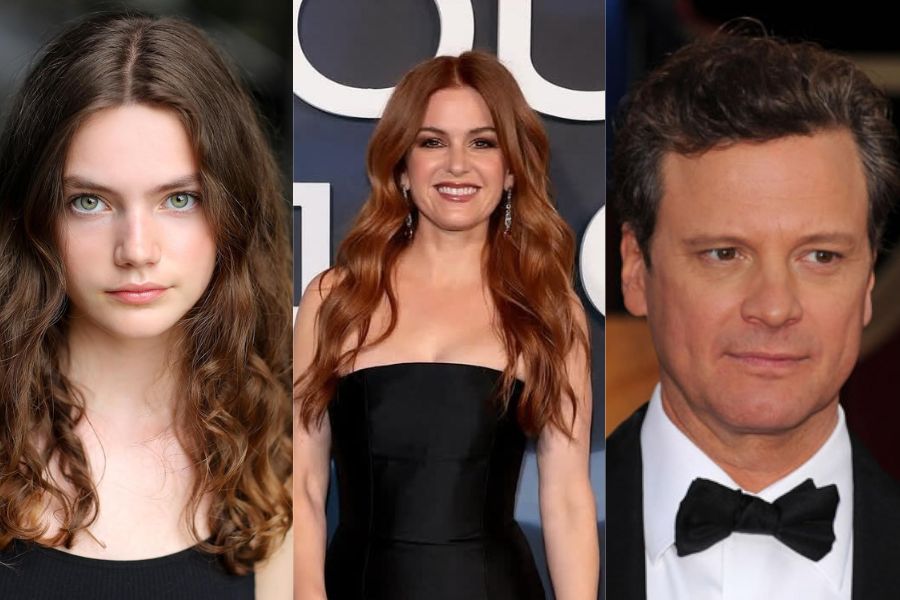
What makes the casting interesting is the mix of fresh and experienced faces. Alongside Florence Hunt, the film brings in Colin Firth and Isla Fisher, which adds a layer of credibility and reach to a story that might otherwise feel very indie. But it doesn’t stop there — the supporting cast includes a wide group of rising actors, creating a kind of ensemble that feels grounded in realism rather than star power. There’s also a cameo from musician Fatboy Slim, which is an unexpected but interesting addition.
Behind the camera, the film is getting just as much attention. The cinematography is being handled by Seamus McGarvey, known for visually rich films like Atonement and Anna Karenina. That suggests Bare won’t just rely on its emotional core — it’s also aiming for a strong visual identity, which could elevate the storytelling even further.
For Lorna Tucker, this project feels like more than just a career step. She’s previously worked on documentaries like Westwood: Punk, Icon, Activist, but this marks her transition into narrative filmmaking. And from her own words, Bare is deeply personal — a reflection of survival, loss, and the people who help you rebuild when everything falls apart. That kind of lived experience often translates into storytelling that feels more honest, even if it’s uncomfortable at times.
The film is also connected to real-world impact beyond cinema. It’s being made in collaboration with charities working on homelessness, which adds another layer to its purpose. It’s not just telling a story about life on the streets — it’s also trying to spark awareness around it. That balance between art and social relevance is tricky, but if handled right, it can make the film resonate on a much deeper level.
With production now underway in London and sales expected to kick off at the Cannes Film Festival, Bare is shaping up to be one of those films that might not scream for attention immediately, but could quietly leave a strong impact once it arrives. It’s raw, it’s personal, and it seems to be aiming for something real rather than polished — and sometimes, that’s exactly what stays with you the longest.