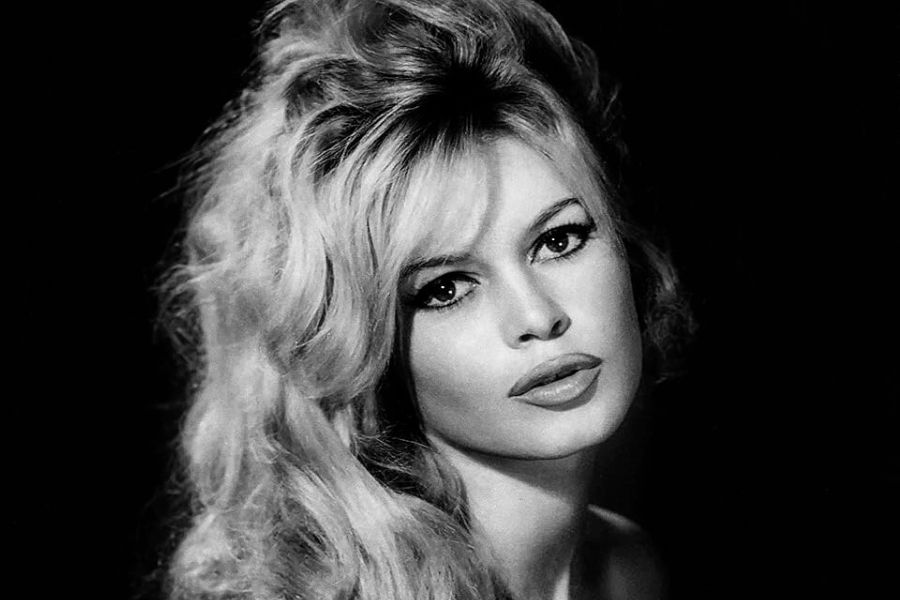
Brigitte Bardot — actor, singer, fashion trailblazer, and one of the most influential figures in global cinema — has passed away at the age of 91. The legendary French star died on Sunday at her home in southern France, a representative from the Brigitte Bardot Foundation for the Protection of Animals confirmed. No official cause of death has been disclosed. She had been hospitalised last month.
With her passing, an era comes to a close — one defined by bold artistic shifts, cultural disruption, and a life that consistently defied expectations.
The Star Who Changed How Cinema Looked
In the 1950s, Bardot emerged as a force unlike anything audiences had seen before. At a time when films leaned toward restraint and polished glamour, she brought a sense of freedom and modernity that felt radical.
Her global breakthrough came with And God Created Woman (1956), directed by her then-husband Roger Vadim. The film stirred controversy, but it also transformed Bardot into an international sensation. Its worldwide success introduced a new cinematic language — one that embraced youth, spontaneity, and emotional intensity.
Bardot represented a sharp shift away from the classic, controlled image of leading women, reshaping how femininity and individuality were portrayed on screen.
A Brief Peak, a Lasting Influence
While Bardot’s time as a dominant box office draw was relatively short, her influence proved far-reaching. Through the late ’50s and ’60s, she ruled French cinemas with films such as La Parisienne, The Bride Is Much Too Beautiful, The Woman and the Puppet, and In Case of Emergency.
She later attempted to move beyond her established image, most notably in Jean-Luc Godard’s Contempt (1963), a film that cleverly examined fame and identity. Though she earned critical respect in select roles, Bardot often found herself boxed in by public perception — a frustration that eventually led her to step away from acting altogether.
She retired from films in the early 1970s and never returned.
Music, Fame, and a Quiet Exit
Beyond cinema, Bardot also had a successful music career, recording nearly 80 songs, many of which gained popularity across Europe in the 1960s and 1970s.
However, constant public attention took its toll. In 1973, Bardot made the firm decision to leave the entertainment industry entirely. Years later, she openly rejected rumours of biographical films based on her life, making it clear she had no desire to revisit her screen persona.
Activism and Controversy
In the decades that followed, Bardot remained in the public eye — this time as a passionate animal rights activist. She founded the Brigitte Bardot Foundation in 1986 and dedicated her later life almost entirely to animal welfare. Her efforts earned recognition at the highest levels, though she famously refused France’s Legion of Honor.
At the same time, her outspoken right-wing political views sparked repeated controversy. French courts fined her on multiple occasions for remarks deemed inflammatory, particularly regarding immigration and religious communities. These statements complicated how the public viewed her legacy, dividing opinion sharply.
A Life Lived on Her Own Terms
Born into an upper-middle-class Parisian family, Bardot initially trained as a ballet dancer. Her path changed at 15 after appearing on the cover of Elle, which led to her discovery by filmmaker Marc Allégret and later her partnership with Vadim.
Her personal life — marked by high-profile marriages, intense media scrutiny, and a retreat from family life — was often debated, but Bardot rarely softened her stance or sought approval.
She is survived by her husband Bernard d’Ormale, her son from her marriage to Jacques Charrier, and two granddaughters.
Final Words
Brigitte Bardot’s life was never simple or easily categorised. She challenged norms, unsettled audiences, and reshaped cinema at a crucial moment in its evolution. Her later years were controversial and often divisive, but her impact on film, fashion, and popular culture remains undeniable.
She didn’t aim to be universally liked — only to live honestly. And that, perhaps, is why her legacy endures.