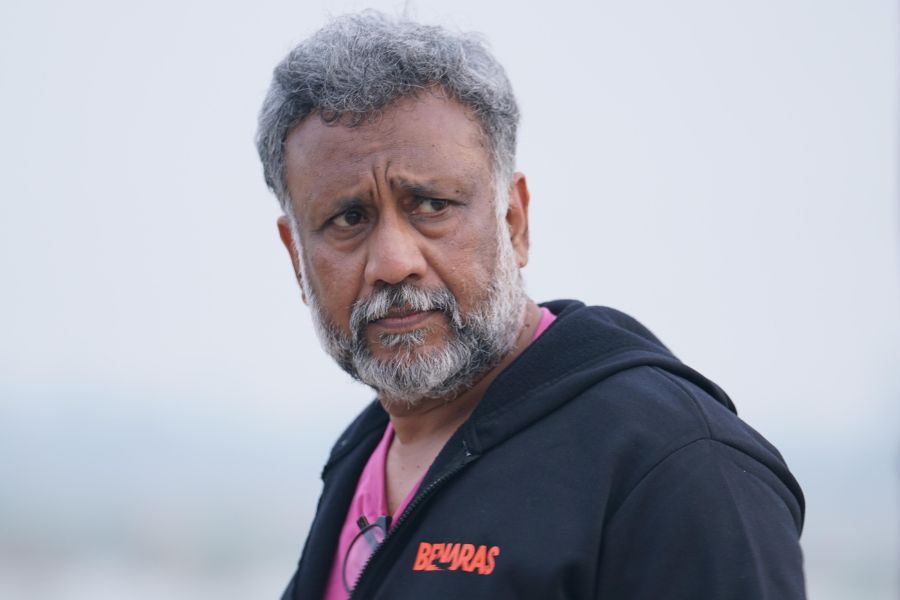
In an industry obsessed with massive budgets and star-driven spectacles, filmmaker Anubhav Sinha is making a strong case for something far less flashy — mid-budget cinema.
With his latest courtroom drama Assi currently playing in theatres, Sinha has weighed in on the growing debate around whether small- and medium-budget films still have commercial viability in India. His answer? Not only are they viable — they may actually be the smartest bet right now.
“The Future Is This Size”
Sinha recently admitted that his stance on release strategies has evolved. Back in 2022, after his thriller Anek hit screens, he had suggested that smaller films might benefit from limited theatrical runs followed by quick OTT premieres.
Today, he says he sees it differently.
According to the filmmaker, mid-size, medium-budget, high-concept films offer the best chance at strong returns on investment in the current market. Rather than chasing blockbuster scale, he believes these projects strike a healthier balance between cost and revenue potential.
It’s a bold claim at a time when post-pandemic conversations often revolve around the idea that only superstar-led spectacles can pull audiences back into cinemas.
The Big vs Mid-Budget Debate
Since COVID-19 disrupted theatrical habits, many in the trade have argued that only tentpole films can drive footfall. But recent successes have complicated that theory.
Films like 12th Fail and HanuMan — both made on controlled budgets — have delivered impressive theatrical performances, proving that strong storytelling can still cut through the noise.
Sinha is clear that he doesn’t oppose big-budget entertainers. As a viewer, he says he enjoys the films of Rajkumar Hirani and Rohit Shetty. But as a filmmaker, he feels more connected to grounded, mid-scale cinema.
For him, it’s not about competing with spectacle — it’s about preserving space for stories that may not come with fireworks but still resonate deeply.
Where ‘Assi’ Stands
Assi, produced by T-Series, released in theatres on February 20. The courtroom drama stars Taapsee Pannu as a lawyer and Kani Kusruti as a rape survivor, tackling a sensitive and emotionally layered subject.
The film also features a strong supporting cast, including Mohammed Zeeshan Ayyub, Kumud Mishra, Supriya Pathak, and Manoj Pahwa, with special appearances by Naseeruddin Shah and Divya Dutta.
Critically, Assi has received largely positive reviews, especially for its performances and courtroom intensity. However, commercially, the start has been modest. The film collected ₹2.6 crore net domestically in its first two days — a lukewarm opening in today’s theatrical climate.
Marketing: The Missing Link?
Before the film’s release, Sinha had pointed out a key challenge for smaller projects — promotion.
He argued that films like Assi could benefit significantly from larger marketing budgets. According to him, the audience exists for such stories; the real issue is accessibility and visibility. If smaller films had double or triple the promotional push, he believes the results at the box office could look very different.
It’s a recurring argument in the industry: content may be strong, but without scale in publicity, it struggles to compete with high-decibel releases.
The Bigger Industry Question
Indian cinema is currently at a crossroads. On one side are massive pan-India spectacles with towering budgets. On the other are intimate, issue-driven stories that depend heavily on word-of-mouth.
Anubhav Sinha’s position suggests that the sweet spot might lie somewhere in between — films that are ambitious in concept but measured in scale.
Final Words
Assi may not have opened with explosive numbers, but the conversation around it is bigger than its first weekend collection.
Anubhav Sinha’s defense of mid-budget filmmaking isn’t just about one film — it’s about carving out breathing space in an industry dominated by spectacle.
Whether the box office eventually validates his optimism remains to be seen. But one thing is certain: the fight for meaningful, mid-scale cinema in India is far from over.