A female assassin who never misses her target, a tragic past that refuses to stay buried, and an unexpected love story that changes everything. Baby Do Die Do arrives with an idea that immediately grabs attention. On paper, it promises a stylish action thriller with emotional depth, placing Huma Qureshi at the centre of a story that tries to blend revenge, romance and survival into one package. It has the ingredients for a memorable character-driven film, but translating those ideas onto the screen proves to be a tougher challenge.
Directed by Nachiket Samant, the film constantly hints at becoming something bigger than a routine action entertainer. There are moments where it feels ready to explore its lead character’s loneliness, trauma and desire for a normal life. Instead, it settles for familiar storytelling, leaving several interesting ideas only partially explored. While the film remains watchable because of its lead performance, it struggles to maintain the same level of excitement throughout its runtime.
An Interesting Setup That Loses Momentum
The story opens with a haunting incident involving twin sisters, where only one survives a mysterious attack. Years later, that survivor grows up to become Baby Karmarkar, a deaf and mute contract killer whose precision has earned her a feared reputation. Every assignment follows the same routine with military-like discipline, making assassination look almost effortless as she silently moves through dangerous situations before disappearing without a trace.
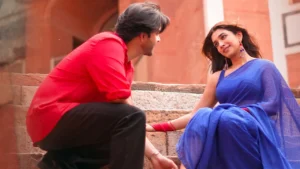
Her world operates under the guidance of Papa, played by Chunky Panday, who serves as both handler and mentor. Baby has accepted this violent life until memories of her late sister begin to linger in her mind, slowly disturbing the emotional walls she has built around herself. At the same time, Siddhu enters her life with genuine affection and dreams of building a future together. That unexpected relationship forces Baby to question whether she can truly leave behind a profession where walking away is never considered an option.
The central conflict has enough emotional potential to keep audiences invested. A professional killer searching for redemption is hardly a new concept, but adding the perspective of a deaf and mute protagonist gives the story a fresh identity. Unfortunately, the screenplay follows predictable turns and rarely surprises once the emotional journey begins. Several twists become easy to anticipate, reducing the tension that should have driven the narrative forward.
Huma Qureshi Carries Almost Every Scene
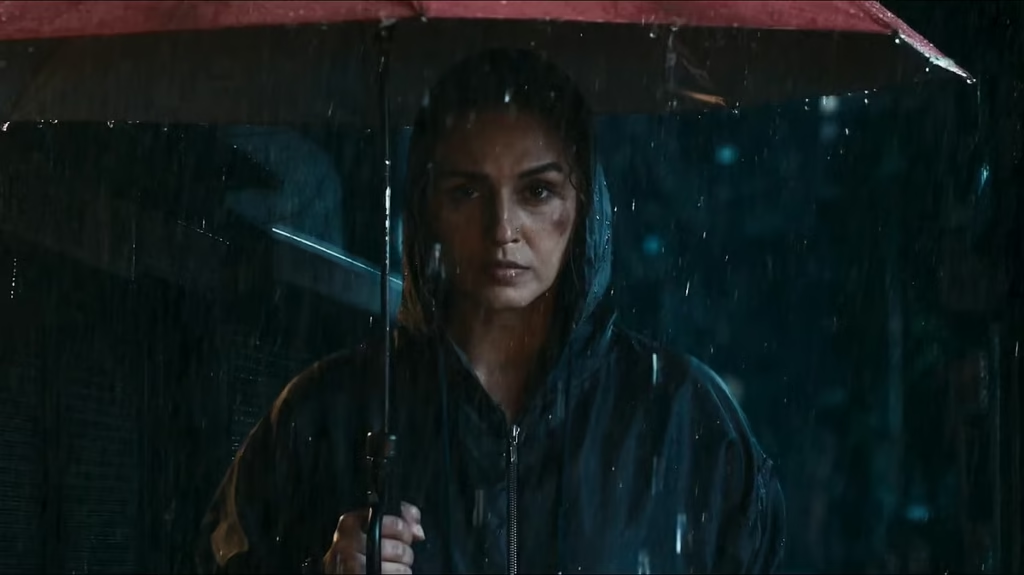
The biggest strength of Baby Do Die Do is undoubtedly Huma Qureshi. Known for commanding dialogue-heavy roles, she takes a completely different route here by relying almost entirely on expressions, body language and silence. It is one of her most controlled performances, and she convincingly portrays both the emotional vulnerability and cold professionalism that define Baby. Without seeking sympathy through exaggerated emotions, she creates a character who feels strong, damaged and surprisingly human.
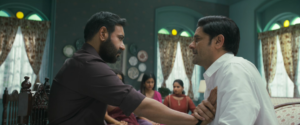
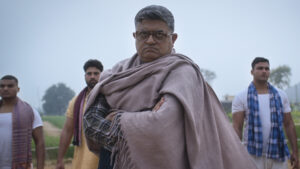
Rachit Singh plays Siddhu with sincerity and brings warmth whenever he shares the screen with Huma. His character represents hope and normalcy in Baby’s otherwise violent existence, but the writing never fully develops his personality beyond being the supportive love interest. Chunky Panday delivers a measured performance as Papa, while Sikandar Kher adds presence despite limited opportunities to leave a lasting impact. Seema Pahwa and Vidya Malavade also contribute well, although the script gives them little room to become memorable.
The supporting cast often feels secondary because the film remains heavily focused on Baby’s emotional journey. That approach works in parts, but it also leaves several relationships underdeveloped. As a result, many characters enter and exit the story without creating the emotional impact they potentially could have offered.
Strong Performance Held Back By Familiar Filmmaking
Nachiket Samant deserves credit for attempting a female-led action film built around emotion rather than spectacle alone. However, the execution doesn’t consistently match the ambition of the concept. The direction keeps the story moving but rarely creates the suspense or intensity expected from a thriller centred on a contract assassin. Emotional moments sometimes arrive without enough build-up, while action sequences lack the inventiveness needed to distinguish the film from similar entries in the genre.
The choreography, in particular, feels functional rather than memorable. Considering Baby is introduced as an elite assassin, the action rarely reaches the level of creativity that could have elevated the character further. Better editing and tighter pacing would also have benefited the film, especially during the middle portion where the narrative briefly loses its grip before recovering towards the climax.
Visually, Baby Do Die Do maintains a grounded style that suits its story. Instead of relying on flashy set pieces, it focuses on intimate moments between characters. That creative choice helps the emotional scenes, but it also makes the action feel smaller than audiences might expect from a film built around a deadly assassin.
PopcornRealm Rating: 3/5
Baby Do Die Do succeeds mainly because Huma Qureshi refuses to let its uneven screenplay bring the experience down. Her restrained performance gives the film emotional weight even when the writing becomes predictable. While the direction and action never fully realise the potential of such a promising premise, the film remains worth watching for viewers interested in seeing Huma tackle one of the most challenging roles of her career. It may not redefine the action thriller genre, but its leading performance stays with you long after the credits roll.