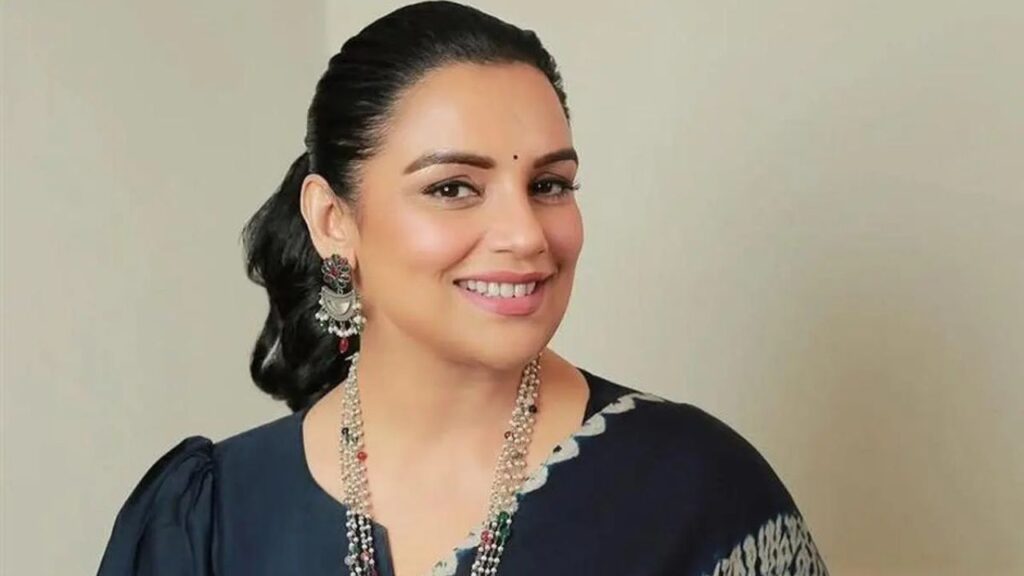
The sudden collapse of the Association of Malayalam Movie Artists (AMMA) leadership has taken a dramatic turn after former president Shwetha Menon publicly addressed the circumstances behind her resignation. Days after the organisation’s entire executive committee stepped down together, the actor shared a lengthy statement explaining why she chose to walk away from the position she had fought hard to earn.
Rather than remaining silent amid growing speculation, Shwetha made it clear that her decision was driven by principle. In a strongly worded message shared on social media, she said stepping down was a matter of self-respect and not a sign of surrender. Her remarks have now added another layer to an already tense situation surrounding one of Malayalam cinema’s most influential industry bodies.
Shwetha Menon Says She Refused To Be Controlled
According to Shwetha, resistance against her leadership began long before she officially took charge. She claimed that several individuals attempted to damage her reputation during the election process by spreading misinformation and making allegations against her. Despite those challenges, she said the majority of AMMA members placed their trust in her and elected her president.
In her statement, the actor thanked those who stood by her throughout the difficult period. She also insisted that she worked honestly and fulfilled her responsibilities to the best of her abilities while serving the organisation. However, she suggested that powerful interests operating behind the scenes repeatedly obstructed efforts to address important internal issues that required attention.
One of the strongest points in her post was her claim that certain people prevented the committee from examining alleged irregularities linked to previous administrations. While she did not directly name individuals in that context, her comments indicated deep frustration over what she described as a lack of transparency within the organisation.
Calls Grow For Greater Transparency Within AMMA
Shwetha’s statement went beyond her resignation and raised questions about the financial management of the association. She argued that accounts from not only her tenure but also the previous two terms should be subjected to a detailed review. According to her, a forensic audit would help establish accountability and provide members with a clearer picture of how the organisation has been managed over the years.
The demand is significant because forensic audits are generally commissioned when concerns exist regarding financial transparency or administrative practices. By publicly calling for such an investigation, Shwetha has effectively pushed the conversation beyond leadership disputes and into broader questions about governance within AMMA.
Her remarks are likely to fuel further debate among members and observers of the Malayalam film industry. The organisation has often found itself at the center of controversy, and her latest allegations could increase pressure for an independent review of past decisions and financial records.
Political Rumours And Earlier Controversies
The actor also addressed rumours that had circulated regarding her political leanings. Rejecting attempts to place her in any political camp, she stated that she was neither aligned with the BJP nor the Left. Shwetha emphasized that her decisions were made independently and that outside political narratives should not be attached to her resignation.
Ending her message on a dramatic note, she wrote that the story was far from over. By saying “Picture abhi baaki hai, mere dost,” she hinted that more revelations or developments could emerge in the coming weeks. The phrase has since drawn considerable attention online, with many interpreting it as a sign that she is prepared to continue speaking out.
The controversy surrounding Shwetha’s presidency did not begin with her resignation. During her election campaign, she faced legal challenges, including an obscenity case connected to roles she had performed many years ago. Speaking about the issue previously, she questioned why legal action was initiated over creative work completed more than a decade earlier and expressed surprise at the timing of the complaint.
Another major flashpoint arrived earlier this year when AMMA faced criticism over a sponsorship arrangement involving the Vennala Thykattu Sri Mahadeva Temple Trust. The partnership sparked a heated discussion about funding sources and whether cultural or religious affiliations should influence sponsorship decisions. At the time, Shwetha defended the arrangement, arguing that a charitable organisation should not reject financial assistance solely because of a sponsor’s political or religious background.
With the executive committee now dissolved and Shwetha openly challenging the status quo, the future direction of AMMA remains uncertain. What began as a leadership resignation has quickly evolved into a wider debate about transparency, accountability, and power within one of the Malayalam film industry’s most prominent organisations.