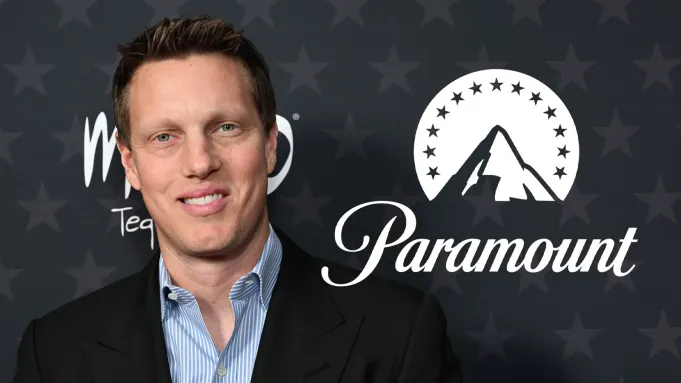
For months, Hollywood has been bracing for what could become one of the most transformative media shake-ups in decades. Now, David Ellison’s Paramount Skydance has taken a significant step toward making that vision a reality. The U.S. Department of Justice has officially signed off on Paramount’s proposed $111 billion merger with Warner Bros. Discovery, removing one of the biggest regulatory obstacles standing in its path.
But despite the approval, this blockbuster deal isn’t crossing the finish line just yet. The merger continues to face legal uncertainty, political scrutiny, and growing resistance from creative workers who fear that another era of consolidation could come at a heavy price for the entertainment industry.
DOJ Says Merger Won’t Harm Competition
According to the Justice Department’s Antitrust Division, its extensive investigation found no evidence suggesting that the merger would substantially reduce competition or negatively affect consumers. The regulator approved the transaction without demanding asset sales, behavioral remedies, or any concessions from either company.
“The Division has completed its analysis of the proposed merger of Paramount and Warner Bros. and determined based on the evidence received in its investigation that the transaction is not likely to result in harm to competition or American consumers,” the DOJ said in its statement. The agency noted that its review examined multiple areas, including streaming services, traditional television networks, and theatrical film production and distribution.
The investigation reportedly lasted eight months and involved a massive review process. Officials said career staff members led the inquiry, analyzing more than two million documents collected from over 80 parties. The review also included executive depositions, interviews with outside witnesses, and direct meetings with representatives from the companies involved.
“The Division’s mandate is to investigate and, if necessary, litigate proposed mergers that harm competition or American consumers,” the division stated. “This investigation included a review of reams of documentary evidence, hours of deposition testimony of senior-level executives, interviews with third-party witnesses, and staff-led meetings with the Parties themselves. These investigative efforts all led to the same conclusion: the film and television industry is highly dynamic, and the proposed transaction is not likely to harm competition or American consumers.”
If completed, the merger would create an entertainment giant unlike anything Hollywood has seen in recent years. Paramount’s portfolio, including CBS, CBS News, Paramount Pictures, and Paramount+, would be combined with Warner Bros. Discovery’s collection of assets such as HBO, HBO Max, Warner Bros. Pictures, CNN, TNT, TBS, and HGTV.
Executives behind the deal argue that scale has become necessary to compete against increasingly dominant technology-driven rivals. Paramount Skydance reiterated that point after the DOJ’s decision.
“We are grateful for the Department of Justice’s thorough review of this transaction, as well as the work of the other agencies that have completed their reviews and provided clearance to date,” the company said. “This deal is pro-competitive, resulting in a stronger company better positioned to compete against dominant technology platforms in an industry increasingly defined by intense competition for audiences, talent, technology and investment. We remain focused on completing the transaction as soon as possible and delivering its benefits to consumers, creators and the entertainment industry as a whole.”
Hollywood’s Opposition Continues to Grow
Even with federal approval, opposition from within the industry remains fierce. Critics argue that consolidation at this scale almost inevitably leads to layoffs, reduced opportunities for creators, and less competition in the marketplace.
Paramount executives have previously indicated that the merger could generate more than $6 billion in cost savings. For many in Hollywood, those savings translate into one thing: job cuts. That concern has fueled a growing movement against the transaction.
More than 5,500 filmmakers, actors, and entertainment professionals have signed an open letter urging regulators to stop the merger. Organized through BlockTheMerger.com and supported by the Writers Guild of America, the campaign has attracted a striking list of names including Florence Pugh, Pedro Pascal, Edward Norton, Joaquin Phoenix, Ben Stiller, Kristen Stewart, Mark Ruffalo, Robert De Niro, Ted Danson, Tiffany Haddish, Rosario Dawson, Noah Wyle, Ramy Youssef, and director Yorgos Lanthimos.
The Teamsters union has also pushed back, urging federal officials to block the transaction unless meaningful protections for workers were put in place. The union specifically called for enforceable safeguards against layoffs and commitments supporting domestic production.
Political criticism has intensified as well. Senator Elizabeth Warren was quick to condemn the DOJ’s decision.
“This is terrible news for every American who doesn’t want Trump-aligned billionaires to control what they watch and how much they pay,” Warren said in a statement. “The Paramount-Warner Bros. deal has reeked of corruption and influence-peddling. This fight isn’t over. State AGs must block this merger.”
That possibility remains very real. State attorneys general, including California Attorney General Rob Bonta, have suggested they could still pursue litigation aimed at preventing the merger from moving forward. Their involvement means the legal battle surrounding the deal may only be entering a new phase.
Global Regulators Are Still Watching Closely
Outside the United States, several powerful regulators continue to scrutinize the transaction. European authorities are reviewing the merger through multiple channels, including investigations tied to foreign investment concerns.
The European Commission is examining roughly $24 billion connected to the proposed takeover through sovereign wealth funds linked to Saudi Arabia, Qatar, and Abu Dhabi. Regulators have established separate deadlines under standard merger rules and the EU’s Foreign Subsidies Regulation, meaning additional approvals remain outstanding.
Meanwhile, Britain’s Competition and Markets Authority officially launched its own investigation into the merger earlier this week. The international review process could significantly influence both the timing and ultimate outcome of the transaction.
The debate has also pulled Netflix into the spotlight. Paramount chief legal officer Makan Delrahim alleged in communications with the DOJ that Netflix actively lobbied against the deal after previously pursuing Warner Bros. Discovery assets before abandoning those efforts.
“Netflix’s panic-level response and scorched-earth campaign to try and poison regulators and other stakeholders against the Transaction shows just how seriously Netflix takes Paramount as a scaled competitor,” Delrahim wrote in a June 5 letter to DOJ officials.
Netflix firmly rejected the accusation.
“These claims from Paramount Skydance are absurd. We walked away from this deal months ago and remain focused on our own business, not theirs. Ultimately, it’s up to the regulators to approve this deal and determine if it is in the best interest of the industry and all concerned.”
Delrahim also argued in a separate interview that public criticism surrounding the merger had become politically charged, claiming, “a lot of fear-mongering, particularly from people in Washington, D.C. They are running a political campaign. Some of these people are trying to inflict harm on this transaction really because of their own antisemitic views.”
As of now, the DOJ’s approval gives Paramount Skydance a major victory and renewed momentum. Yet with lawsuits still possible, international reviews ongoing, and Hollywood remaining deeply divided, the industry’s biggest merger saga of the year is far from reaching its final act.