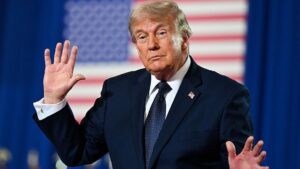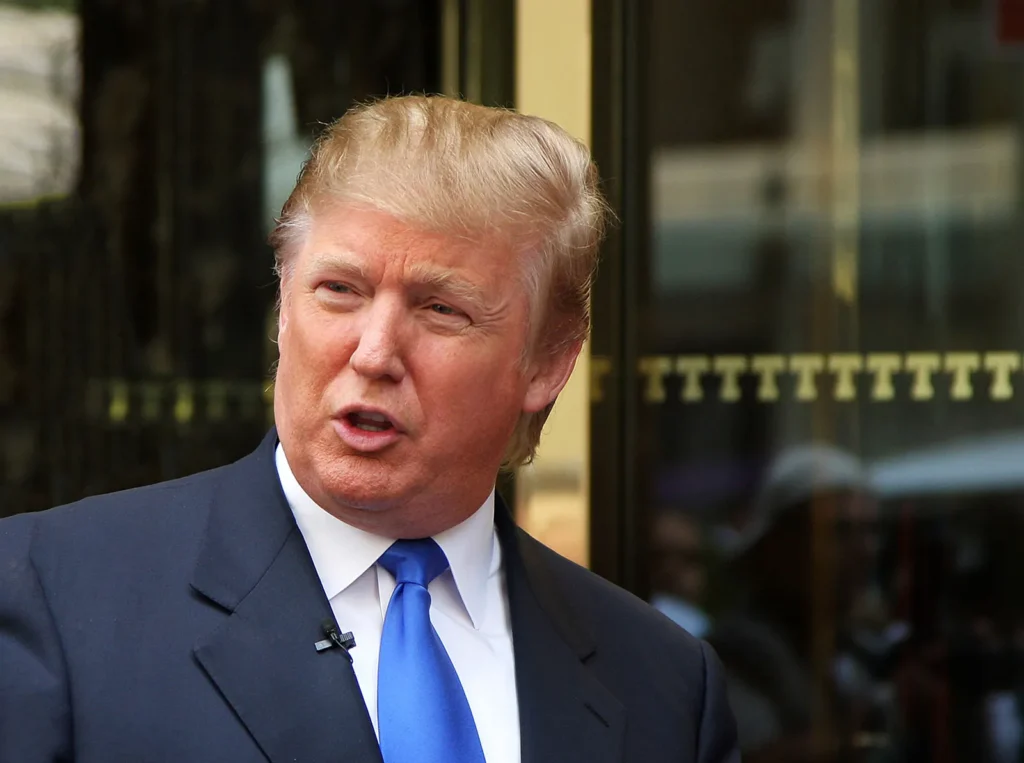
The legal standoff between British Broadcasting Corporation and Donald Trump is beginning to take clearer shape. In a fresh court filing, the BBC has outlined its initial defence strategy against Trump’s $10 billion defamation lawsuit, arguing that the controversial documentary at the heart of the case was fair overall — even while admitting a specific edit was misleading.
The lawsuit stems from a Panorama programme that aired ahead of the 2024 US presidential election and focused on Trump’s political comeback and the events surrounding the January 6 Capitol attack.
BBC seeks pause on evidence sharing
On Monday, the BBC asked a federal judge in Miami to temporarily halt the exchange of evidence until the court rules on its motion to dismiss the case. That ruling is expected in March.
At the same time, the broadcaster signalled that if the lawsuit is allowed to proceed, it will push to move the case from Florida to New York, arguing that the documentary in question was not created, produced, or aired in Florida — weakening the jurisdictional basis of the lawsuit.
What Trump is suing over
Trump’s lawsuit centres on a brief edited clip from the Panorama documentary that appeared to show him issuing a direct call for violence during a speech delivered shortly before the January 6, 2021 attack on the US Capitol by his supporters.
The BBC later acknowledged that the edit was problematic. On November 10, BBC chairman Samir Shah admitted that the footage gave viewers “the impression of a direct call for violent action.” The broadcaster issued two apologies in quick succession but refused Trump’s demand for financial compensation, prompting the lawsuit.
BBC’s core defence: no “actual malice”
In its latest filing, the BBC argues that Trump’s lawsuit fails to meet the high legal threshold required for defamation claims involving public figures.
Under US law, Trump must prove “actual malice” — meaning the broadcaster knowingly aired false information or acted with reckless disregard for the truth.
BBC lawyers contend that this standard cannot be met, noting that the disputed clip lasts less than 15 seconds and appears within an hour-long documentary that includes broader context, extensive coverage of Trump’s supporters, and what they describe as balanced reporting on his political resurgence.
According to the filing, the controversial edit does not override the documentary’s overall journalistic intent or framing.
Silence from Trump’s camp — for now
Trump’s legal team has not yet responded publicly to the BBC’s latest court filing or requests for comment. With the motion to dismiss still pending, the case is now in a holding pattern — but one that carries major implications for media liability, political reporting, and editorial judgment.
Why this case matters
Beyond the headline-grabbing $10 billion figure, the lawsuit is being closely watched as a potential test case for media accountability versus editorial freedom, especially when it comes to political documentaries, selective editing, and coverage of polarising public figures.
If the court sides with the BBC, it could reinforce protections for broadcasters under the “actual malice” standard. If not, it may open the door to more aggressive legal challenges against news organisations — particularly during election cycles.
Final words
For now, the BBC is standing firm: acknowledging a mistake in editing, but rejecting the idea that it amounts to defamation. As the court weighs whether the case even moves forward, the outcome could shape how political journalism is edited, defended, and litigated in the years ahead.