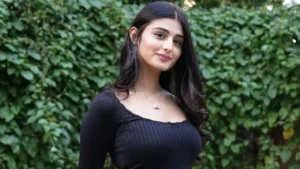
The world of livestreaming has been shaken after a controversial broadcast involving popular streamers Nina Lin and Zoe Spence went viral for all the wrong reasons. The two creators, who have millions of followers across Twitch and social media, were banned from Twitch after a clip surfaced showing them twerking on FaZe Silky’s assistant, Said, without his consent — an act that many viewers and fellow streamers condemned as harassment.
The incident took place during a collaborative stream earlier this week, where Lin and Spence were hosting a casual content session with Said, who works closely with FaZe Silky, a member of the popular FaZe Clan gaming collective. The video shows Lin and Spence physically restraining Said and dancing on him while he visibly tries to leave. Said appeared uncomfortable, repeatedly attempting to move away, while the chat section filled with viewers expressing disbelief and concern.
The clip quickly spread across X (formerly Twitter), TikTok, and Reddit, sparking intense discussions around gender dynamics, consent, and accountability in livestreaming. Many users labeled the moment as “disturbing” and “a double standard,” pointing out that if the genders were reversed, the consequences would have likely been immediate and severe.
Twitch Responds Swiftly
Twitch moved fast to address the growing outrage, issuing bans for both Nina Lin and Zoe Spence. The platform cited violations of its Community Guidelines regarding sexual content and harassment, though it did not confirm whether the bans are permanent.
A Twitch spokesperson declined to comment further on the specifics, but the action was met with widespread approval among viewers and creators who have long called for more consistent enforcement of rules regarding misconduct on streams.
Nina Lin’s Public Apology
As backlash mounted, Nina Lin issued a public apology via her Instagram and X accounts, acknowledging her role in the incident and admitting that her behavior was “inappropriate.”
“I want to take full responsibility for what happened,” Lin wrote. “I made someone feel uncomfortable, and that was wrong. I deeply regret my actions and the harm they caused. There’s no excuse — I should have known better.”
Lin added that the viral moment was a “wake-up call” and that she plans to take a step back from content creation to reflect and “become a better person.”
Zoe Spence Remains Silent
While Lin has publicly apologized, Zoe Spence has remained silent on social media since the controversy erupted. Her Twitch and TikTok pages have been inactive for several days, and she has yet to address her role in the situation. Fans and critics alike have demanded accountability, urging Spence to acknowledge the seriousness of the issue.
Streaming Community Reacts
The incident has divided the streaming community. Prominent creators such as Asmongold, xQc, and Pokimane weighed in, with many labeling the clip as “sexual assault on stream.”
“That’s embarrassing for him as a guy,” Asmongold said during a live discussion. “It doesn’t matter who’s doing it — if someone’s clearly uncomfortable and you keep touching them, that’s harassment. Plain and simple.”
Other streamers called for greater consistency in how platforms handle misconduct, emphasizing that consent and personal boundaries must be respected equally across genders.
A Pattern of Controversy
For Nina Lin, this isn’t the first time her behavior has sparked criticism. Earlier this year, she was accused of cultural appropriation for using African American Vernacular English (AAVE) and adopting what some described as a “blaccent” in her content. The debate resurfaced during this controversy, with some pointing out that Lin’s earlier actions already reflected a lack of awareness about social responsibility and sensitivity.
Broader Implications
The viral incident has ignited a broader conversation about how livestream culture often blurs the line between entertainment and exploitation. With millions watching in real time, the demand for shocking or viral moments can push creators to cross ethical boundaries for views and engagement.
Critics argue that Twitch and similar platforms need stronger mechanisms to prevent such incidents before they happen — including better real-time moderation tools and clearer consequences for on-stream misconduct.
Meanwhile, others see the controversy as an important turning point in how audiences view accountability in digital entertainment. As one Reddit user wrote, “It’s not about canceling them — it’s about understanding that consent isn’t optional, no matter who’s involved.”
What’s Next for Nina Lin and Zoe Spence?
As of now, both streamers remain banned from Twitch, and it’s unclear if or when they might return. Lin’s apology has done little to calm the backlash, and many online users have called for long-term consequences, not just temporary suspensions.
Industry analysts predict that while Lin might attempt a comeback on other platforms like YouTube or Kick, her reputation may take years to recover. Twitch, on the other hand, is facing renewed scrutiny over whether its policies are strong enough to handle misconduct among its top creators.
The Nina Lin–Zoe Spence incident has become a cautionary tale for the streaming world — a reminder that fame and entertainment never excuse a lack of consent or respect.