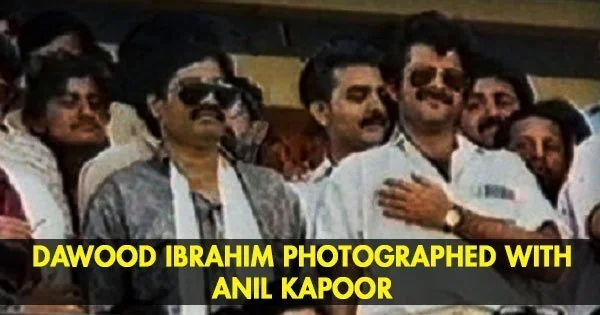
The glitter of 1990s Bollywood hid a darker reality. Behind the hit films and celebrated stars, the Mumbai underworld quietly pulled the strings — financing movies, influencing casting choices, and even deciding which actors would appear where.
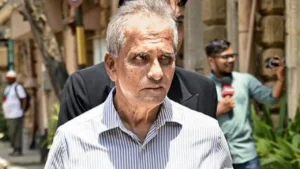
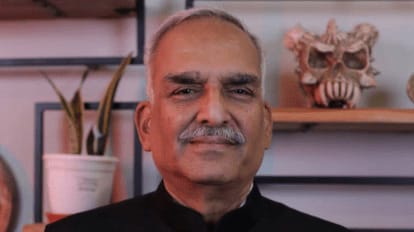
Former Joint Commissioner of Mumbai Police (Crime), D. Sivanandhan, recently opened up about this uneasy alliance, recalling a time when creativity and fear coexisted on the same set.
“Gangsters Funded the Films”
In a conversation with ANI, Sivanandhan revealed that several iconic crime dramas of the time — including Satya, Company, Daddy, Shootout at Lokhandwala, and Shootout at Wadala — were directly funded by underworld money.
“Films like Satya and Company were made to lift the image of the gangsters. They were all financed by them only,” he said, adding that even 1970s classics like Deewaar and Muqaddar Ka Sikandar had underworld backing.
Sivanandhan also shared that Mohanlal’s character in Company was based on him, showcasing how closely real-life policing inspired Bollywood storytelling.
Stars Under Pressure
The retired cop went on to describe how crime lords exerted total control over film stars during that era. “Dawood Ibrahim could summon all the cinema actresses to Dubai, give them rewards, and send them back,” he recalled.
He cited one shocking instance: “I saw one of the top actors, along with 83 musicians and performers, flying to Dubai on a special flight to perform at Dawood Ibrahim’s daughter’s event.”
Refusal wasn’t an option. “They had no choice, and we had no means of protecting them,” Sivanandhan admitted. Even Govinda reportedly told him, “Hum kya karein? Jaake naach ke aayein hai” (What could we do? We had to go and dance).
Fear Behind the Camera
Producers weren’t spared either. Many lived under constant threat, fearing retribution if they failed to pay back gangster loans. Sivanandhan referenced Gulshan Kumar’s tragic murder as a reminder of the deadly reach of the underworld.
Back then, filmmaking wasn’t recognized as a formal industry. Legitimate funding was scarce, forcing producers to borrow from illegal sources — often at interest rates as high as 60–80%. “If they didn’t pay, hell would break loose on the defaulter,” Sivanandhan revealed.
A New Era of Safety
Thankfully, the landscape has changed. Police crackdowns and financial reforms gradually pushed out criminal influence from Bollywood. “That status changed because of the operations we did. We opened it up,” Sivanandhan said, crediting law enforcement efforts for reshaping the industry.
The 1990s remain a defining chapter — a time when Bollywood’s brightest lights shone under a shadow. Today, while the film world sparkles with freedom and glamour, the ghosts of that era remind us just how high the price of art once was.