The debate around The Kerala Story 2 has intensified even before its theatrical release.
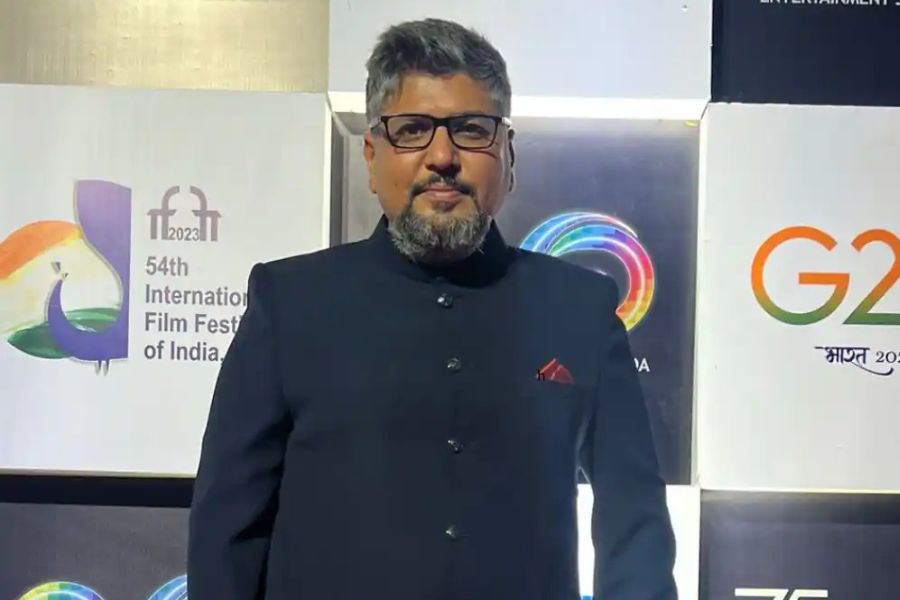
Director Kamakhya Narayan Singh has strongly responded to filmmaker Anurag Kashyap after the latter described the upcoming film as “total bull****” and “propaganda.”
At the center of the controversy is a scene from the sequel’s trailer in which a character is allegedly force-fed beef — a moment that has sparked sharp political and cultural reactions online.
What Sparked the Clash
While attending an event in Kochi, Anurag Kashyap was asked about the film’s trailer. He dismissed it outright, calling it “bull**** propaganda” and questioning the plausibility of the force-feeding scene.
According to Kashyap, “no one can even force-feed someone khichdi,” suggesting that the depiction was exaggerated and sensationalized. He went on to accuse the filmmakers of attempting to profit by dividing audiences.
The remarks quickly went viral.
Kamakhya Narayan Singh’s Response
In a video shared on X (formerly Twitter), Kamakhya Narayan Singh pushed back firmly.
He said he agreed with the idea that no one should be force-fed anything — whether khichdi, laddoo, or beef — but argued that coercion is precisely the issue the film seeks to address. According to him, the debate should focus on consent and pressure, not on dismissing the film as hate-driven without engaging with its claims.
In his video statement, Singh went further, alleging that Kashyap has become “mentally unstable” and claiming that society no longer takes him seriously. He also referenced Kashyap’s 2010 film That Girl in Yellow Boots, criticizing its controversial storyline.
Singh defended The Kerala Story 2 as being based on what he described as factual events and maintained that audiences have responded positively to the trailer.
The Larger Conversation
The sequel follows the controversial legacy of The Kerala Story, which had previously sparked national debates over its portrayal of religious conversion and radicalization narratives.
The new trailer presents a storyline in which Hindu women are allegedly trapped under the guise of love, with relationships turning into coercive control. The framing has once again drawn polarized reactions — with supporters calling it bold storytelling and critics labeling it divisive.
The film is written by Amarnath Jha and Vipul Amrutlal Shah, who also produces the project. It is slated for theatrical release on February 27.
Industry Divided
Anurag Kashyap has long been vocal about political cinema and artistic freedom, often courting controversy with his blunt statements. This latest exchange highlights a recurring tension in Indian cinema — the thin line between creative expression, political messaging, and perceived propaganda.
While Singh insists the discussion should revolve around facts and consent, Kashyap maintains that the film promotes divisive narratives.
As is often the case with politically charged cinema, the argument has extended beyond filmmaking and into ideological territory.
Final Words
The Kerala Story 2 hasn’t even reached theatres yet, but it’s already fueling intense debate.
Whether audiences ultimately embrace or reject the sequel, one thing is certain — the conversation around art, propaganda, and responsibility in Indian cinema is far from settled.
And as February 27 approaches, the spotlight on this film — and the filmmakers behind it — will only grow brighter.