The legal battle over the proposed merger between Paramount and Warner Bros. Discovery has entered a new phase after a US federal judge set a trial date for March 2027. The decision comes as Paramount continues to defend the blockbuster deal against an antitrust lawsuit filed by a coalition of state attorneys general. While the media company had pushed for a much earlier hearing, the court’s timeline means the case will remain unresolved for several more months, adding financial pressure as the merger process continues.
The courtroom schedule carries significant business implications beyond the legal arguments. Beginning in October, Paramount is expected to start accumulating substantial daily payments tied to the pending transaction, increasing the financial stakes while both sides prepare for trial. Despite the delay, company executives have maintained that they remain confident the merger will ultimately receive legal approval.
Judge schedules merger showdown for March 2027
Judge Araceli Martinez-Olguin has issued a preliminary scheduling order that will see the antitrust trial begin on March 2, 2027, with proceedings expected to continue over 12 court days before concluding on March 19. Ahead of the trial, the court has scheduled a final pretrial conference for February 24, 2027, while both parties must submit a joint case management statement before an initial conference later this month.
The ruling arrives after Paramount requested that the case be heard in November 2026, arguing that resolving the dispute sooner would benefit the entertainment industry and consumers. Meanwhile, the coalition of 12 state attorneys general, along with the Writers Guild of America, had sought a later timetable, proposing that the trial take place in April 2027. The judge ultimately selected a schedule that falls between the two competing requests.
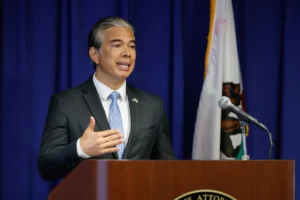
The lawsuit, led by California Attorney General Rob Bonta, argues that Paramount’s proposed $111 billion acquisition of Warner Bros. Discovery would reduce competition in key areas of the entertainment business, including basic cable television and theatrical film distribution. The Writers Guild of America has filed a separate legal challenge, contending that the merger could also weaken competition for writers and creative professionals.
Delay increases financial pressure on Paramount
Although the legal proceedings are still months away, the delayed schedule has immediate financial consequences. Under the terms of the merger agreement, Paramount will begin accruing a $7 million daily ticking fee payable to Warner Bros. Discovery shareholders starting October 1 until the transaction is completed. Based on the current court calendar, that amount could exceed $1.2 billion by the time the trial concludes in March 2027, although those payments would only become due if the merger eventually closes.
Even with those mounting costs, Paramount has continued to project confidence about the transaction. A company spokesperson said, “The court has set a trial date for early March. We respect the court’s decision and continue to believe a trial on the merits is the best and most direct way for us to prove what we’ve said from the start — this transaction is lawful, pro-competitive, and raises no antitrust concerns. The lawsuit against us has no basis in fact, economics or antitrust law. We will continue to vigorously defend the transaction and remain committed to closing as soon as possible so its benefits for the creative community and consumers can be realized.”
Responding to the court’s decision, a spokesperson for the California Department of Justice said, “We appreciate the court’s attention to this case and look forward continuing to argue our case and blocking this unlawful merger.” The opposing sides are now expected to spend the coming months preparing evidence before the high-profile trial begins next year.
David Ellison remains confident the deal will close
Paramount also reaffirmed its confidence while announcing its latest quarterly financial results. The company said it fully expects the acquisition of Warner Bros. Discovery to move forward and is continuing preparations for integrating the two businesses once regulatory hurdles are cleared.
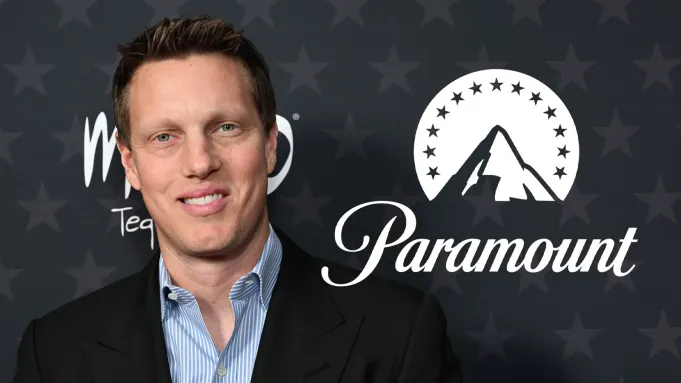
Speaking during the company’s earnings call, Paramount chairman and CEO David Ellison stressed that management remains optimistic despite the ongoing litigation. He said, “As it relates to the ongoing litigation, you know, we’re absolutely open to finding a solution out of court, but we also really believe that we’ll win at trial. We believe that the facts and the law are on our side, and the trial date was just [set] for March of next year. And as it relates to the financing, all that is in place, there’s nothing at risk, and so we’re confident we’ll close the transaction, and we’re working towards that as fast as we possibly can.”
Ellison also addressed the broader controversy surrounding the merger in a recent opinion piece, arguing that concerns extend beyond traditional antitrust issues. He suggested that criticism is tied to his potential future ownership of CNN rather than the combined company’s market position. Emphasising editorial independence, Ellison wrote, “I believe this fight is not really about market share. I believe a plainer worry sits beneath the briefs and the news releases: the news. The issue is whether I can be trusted as a steward of Warner’s CNN.” He further added, “When it comes to our news operations, I do not aspire to lead these companies to bend their newsrooms to my views. I believe that news should be based on facts and truth.”
With one of the entertainment industry’s biggest mergers now headed toward a lengthy courtroom battle, the outcome could shape not only the future of Paramount and Warner Bros. Discovery but also influence how regulators evaluate major media consolidation deals in the years ahead.