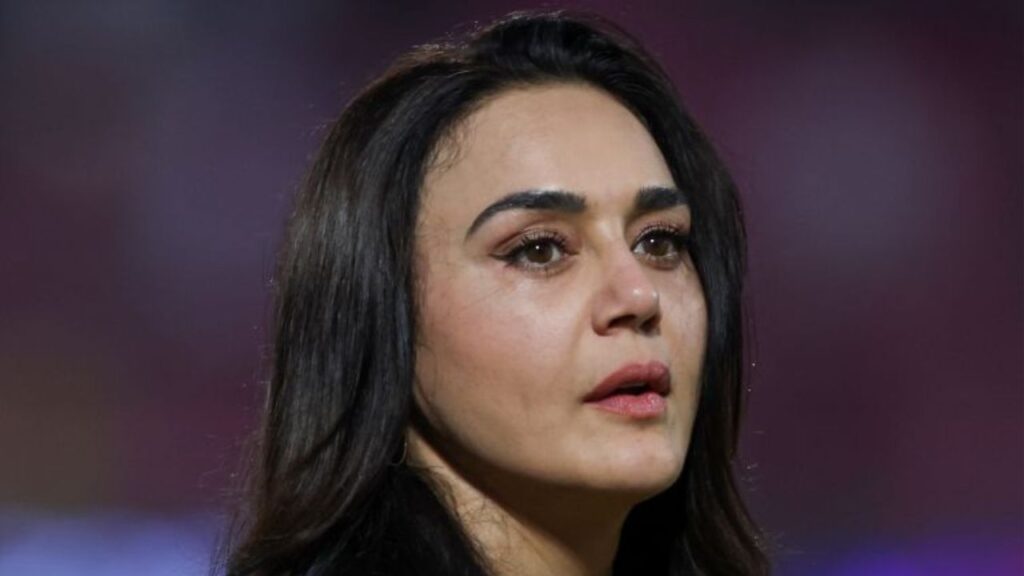
Artificial intelligence has opened new possibilities online, but it has also created fresh legal headaches for celebrities. Bollywood actor and IPL franchise co-owner Preity Zinta has now approached the Bombay High Court, alleging that her identity has been misused through AI-generated deepfakes, morphed images and other unauthorized digital content circulating across social media and websites. The case has added another chapter to the growing legal battle over personality rights in the AI era, where fake content can spread faster than ever before.
During the hearing, the court chose not to issue an immediate blanket takedown order. Instead, it encouraged all parties to work together on a practical solution that can remove unlawful content without affecting genuine online material. The matter will now return before the court on July 6 as discussions continue over a possible takedown framework.
Preity Zinta Alleges Misuse of Her Identity Online
According to the petition, Zinta has named Google LLC, Meta Platforms Inc., domain registrars, several identified individuals and John Doe defendants, allowing legal action against unknown persons allegedly involved in creating or distributing the disputed content. The suit claims that AI-generated deepfake videos, morphed photographs, chatbot-style conversations and other fabricated material featuring her likeness have appeared on platforms including YouTube, Instagram and Facebook without her permission or knowledge. Her legal team argues that these materials create a false impression of authenticity and have the potential to mislead viewers.
Senior advocate Venkatesh Dhond, appearing for the actor, told the court that advances in artificial intelligence have made deepfakes increasingly difficult for ordinary users to identify. He urged the court to direct online intermediaries to remove the content listed in the petition and also sought broader safeguards to prevent future unauthorized AI-generated material using Zinta’s identity. The petition further alleges that her image has been used to create fake advertisements, promotional campaigns and commercial content, violating her personality rights, moral rights and privacy. It also raises concerns about websites using domain names containing her name despite having no official connection with the actor.
Google, Meta Seek URL-Based Takedown Process
Lawyers representing Google and Meta informed the Bombay High Court that both companies are prepared to remove links containing morphed or obscene content if the specific URLs are identified. However, they opposed any sweeping direction that would require online platforms to constantly monitor all user-generated content for possible violations. According to their submissions, some of the links mentioned in the petition do not contain objectionable material, making a case-by-case review necessary.
A domain name registrar named in the lawsuit also clarified its role before the court. It stated that registrars are responsible only for registering domain names and do not host or control the content published on websites or social media platforms. As a result, it argued that it cannot remove material uploaded elsewhere on the internet.
Court Wants Protection Without Affecting Genuine Content
Justice Madhav Jamdar observed that any order passed by the court must strike a careful balance between protecting an individual’s rights and ensuring legitimate online content remains available. Instead of granting immediate ex parte relief, the judge directed all parties to discuss and develop a workable mechanism that can identify and remove infringing material without unnecessarily affecting lawful content. The court acknowledged that AI-generated media presents a unique challenge because fabricated material is becoming increasingly realistic, making regulation more complicated than traditional copyright or defamation disputes.
Preity Zinta’s case follows a growing list of Indian celebrities seeking legal protection against unauthorized use of their names, photographs and identities online. Actors Kartik Aaryan, Shatrughan Sinha, Shilpa Shetty, Akshay Kumar and Suniel Shetty, along with singers Asha Bhosle and Arijit Singh, have all approached the Bombay High Court in recent years over similar concerns involving personality rights in the digital space. The increasing number of such cases reflects how rapidly AI-generated content is reshaping legal debates around identity and online misuse.
Before filing the lawsuit, Zinta received permission under Clause XII of the Letters Patent, allowing the Bombay High Court to hear the matter even though parts of the dispute extend beyond its territorial jurisdiction. On June 16, Justice Abhay Ahuja permitted her to proceed after hearing submissions that the alleged misuse, even if originating from different parts of the world, directly affects her reputation and goodwill in Mumbai, where she is based. The latest hearing took place on July 3 before Justice Madhav Jamdar, with the next proceedings scheduled for July 6 as the parties attempt to finalize a balanced and practical takedown mechanism.