While Dhurandhar continues to dominate conversations for its scale, performances, and India–Pakistan tension, author and former journalist Shubhrangshu Roy believes most viewers and reviewers have overlooked one of the film’s most unsettling subtexts — a currency scam angle quietly woven into the narrative.
According to Roy, the Ranveer Singh–led spy thriller isn’t just about geopolitics or nationalism. It’s also, in his words, “leaking an extraordinary lead” about how fake currency may have entered India at a crucial moment in history.
The ‘fine print’ Roy says critics ignored
In a detailed Facebook post, Roy pointed out that Dhurandhar makes a serious allegation against an unnamed Indian minister who signs a currency-related deal in London in 2008 — the same year as the 26/11 Mumbai terror attacks.
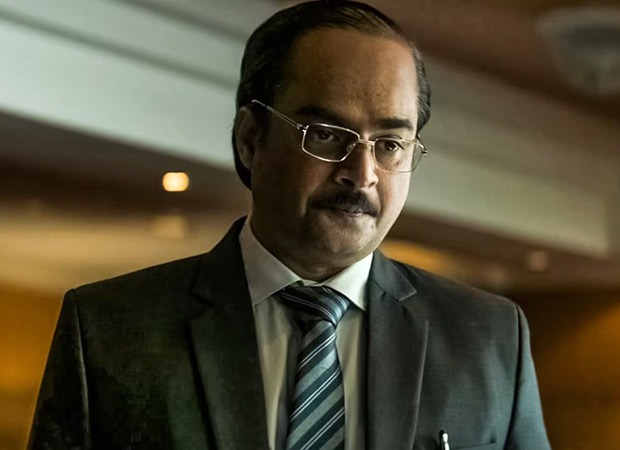
In the film, R Madhavan’s character, IB Director Ajay Sanyal (described as a reel-world parallel to NSA Ajit Doval), explains that after this deal, the minister allegedly travels to Dubai with his son. There, the duo is shown handing over currency printing templates to an ISI-linked middleman, along with laundering cash.
Roy claims that while the film avoids naming anyone directly, the timeline points to P Chidambaram, who was India’s finance minister during that period. He also referenced that Chidambaram and his son Karti Chidambaram have faced corruption and money laundering cases in the past and are currently out on bail.
Importantly, the film itself does not name any real-life individual — these connections are Roy’s interpretation.
A journalist’s memory triggered by a movie
Roy, whose last stint was with Financial Chronicle, recalled working with Australia’s The Age on an investigation into India’s proposed shift from paper to polymer currency notes — a move aimed at resisting counterfeit currency.
He noted that the polymer currency discussion mysteriously vanished, contracts were signed with a London-based currency cartel, and counterfeit notes continued flooding India. Watching Dhurandhar, he said, brought back memories of that abandoned trail.
In his view, the film subtly connects:
- The abandoned polymer currency plan
- The continued use of paper notes
- The rise of fake currency circulation
- And the timing of the 26/11 attacks
Roy questioned where Pakistan’s ISI could have obtained Indian currency printing plates, suggesting the film deliberately nudges viewers to ask uncomfortable questions.
More than a spy thriller?
According to Roy, Dhurandhar isn’t making wild claims — it’s pointing toward a chain of events that feels “too circumstantial to ignore,” even with missing links. He argued that audiences got caught up in the loud political noise while missing what he calls the film’s most dangerous implication.
To him, the movie isn’t propaganda or fantasy, but a cinematic prompt — urging viewers to look deeper.
About Dhurandhar
Released on December 5, Dhurandhar is directed by Aditya Dhar and set largely in Lyari, Karachi, an area known for gang wars and political violence. The film stars Ranveer Singh, Akshaye Khanna, R Madhavan, Arjun Rampal, Sanjay Dutt, and Sara Arjun, and is inspired by what the makers describe as “incredible true events.”
Final Words
Whether one agrees with Shubhrangshu Roy or not, his reading of Dhurandhar adds a new layer to the film’s impact. Beyond action and patriotism, he believes the film dares to whisper about systems, money, and power — areas far more uncomfortable than gunfire on screen.
If Roy is right, Dhurandhar isn’t just a spy drama.
It’s a question mark — and one that refuses to be ignored.