Netflix’s Beef is back, but this time it doesn’t hit the same way. What started as a sharp, personal feud between two broken people has now turned into something wider… and honestly, a bit scattered. Season 2 tries to grow bigger, louder, more layered — but somewhere in that expansion, it forgets what made the first season work so well.
The new season doesn’t follow just one rivalry anymore. Instead, it throws us into the lives of two couples stuck in a messy power game. Josh and Lindsay — once creative, now stuck in a cushy beach club job — find themselves being blackmailed by younger employees Austin and Ashley. It sounds interesting on paper. Different generations, different struggles, same frustration. But the execution? Not always tight.
The show clearly wants to talk about class pressure, generational tension, and people quietly falling apart while pretending everything’s fine. That idea is still strong. You see it in how Josh and Lindsay’s relationship feels drained, like something that just kept going out of habit. Meanwhile, Austin and Ashley look like they’re in love… but it’s more fear of being alone than anything real. Those small emotional cracks? That’s where Beef still shines.
But then the show keeps adding more. A Korean billionaire boss, her struggling husband, corporate drama, even a sudden shift into something close to a thriller. And that’s where things start slipping. Instead of going deeper into its characters, the story spreads itself too thin. Nothing fully lands.
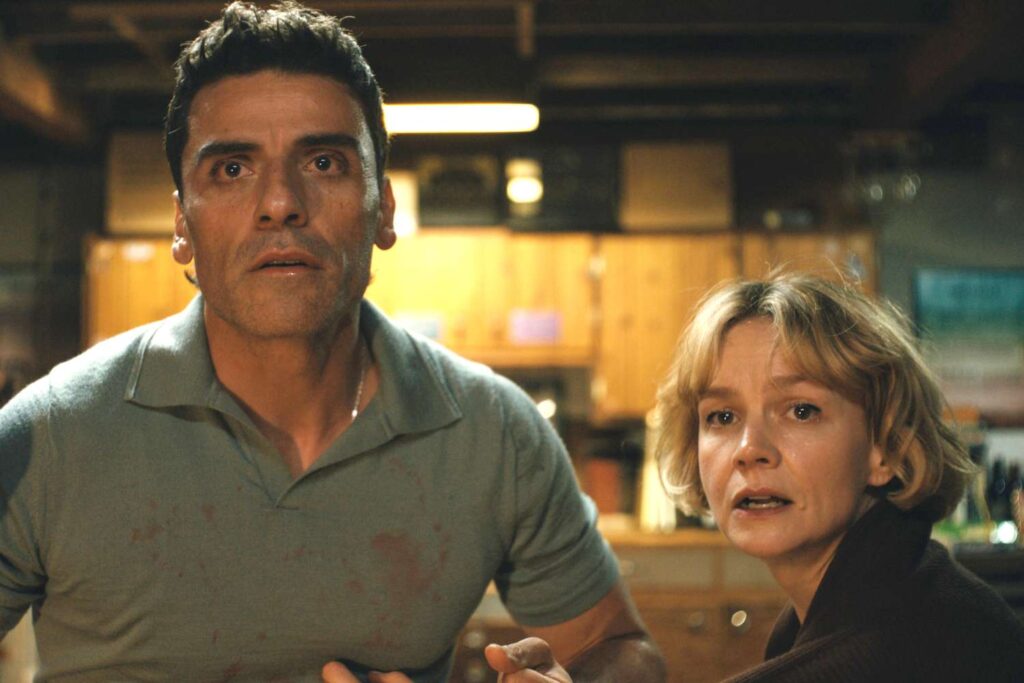
There are moments that work. The performances are solid across the board — no surprise there. Oscar Isaac and Carey Mulligan bring weight, while Charles Melton quietly stands out again after May December. Even the awkward humor around the younger couple feels real at times. But the writing doesn’t always support them. It jumps, shifts, and sometimes feels unsure about what it wants to say.
What’s frustrating is that the core idea still had potential. The setting — rich coastal California vs struggling workers — could’ve been explored more. The tension between money, identity, and survival is right there. But instead of digging in, the show keeps moving sideways.
By the time the finale arrives, it looks stylish, even intense in parts, but emotionally it feels disconnected. The original spark — that raw, uncomfortable clash between two people — gets lost in all the noise.
Season 1 worked because it was focused, risky, and personal. Season 2 feels like it was made because it could be made, not because it needed to be. And that difference shows.
Right now, Beef still has good acting, sharp moments, and glimpses of what it used to be. But as a full season, it feels overcrowded, slightly confused, and not as impactful as before.