The political heat around Big Tech just got hotter.
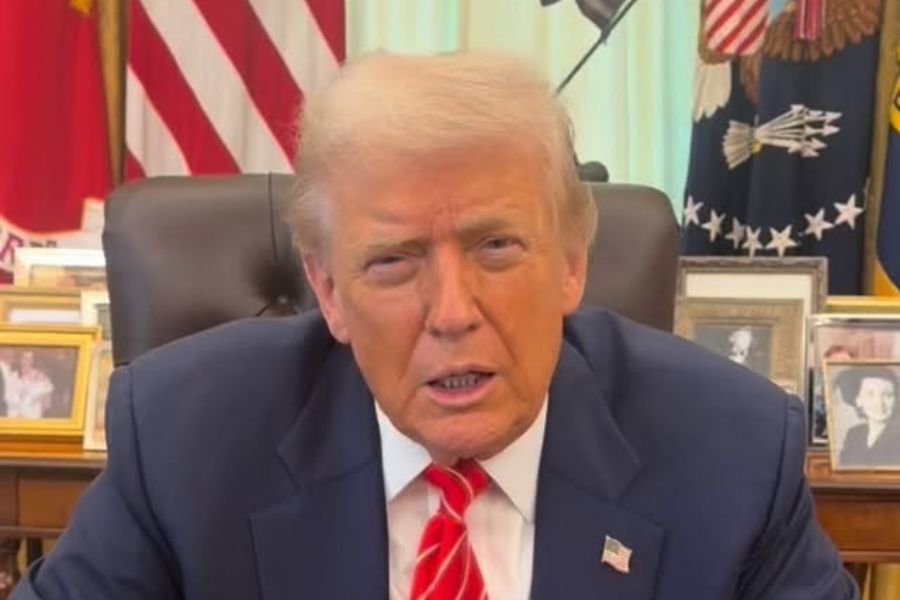
Donald Trump has publicly called on Netflix to remove board member Susan Rice following comments she made about corporate accountability and a potential Democratic return to power.
The former U.S. ambassador to the United Nations and national security adviser found herself at the center of a growing culture and corporate power debate after Trump posted a sharply worded message on Truth Social demanding that the streamer fire her “immediately.”
What Triggered the Fallout?
The controversy stems from Rice’s recent appearance on a podcast hosted by former U.S. attorney Preet Bharara.
During the conversation, Rice warned that corporations, media organizations, and law firms aligning too closely with Trump out of short-term interests could face consequences if political power shifts again.
She suggested that if Democrats return to office, they may not “play by the old rules” when it comes to companies that, in her view, compromised policies or principles under pressure.
Rice stressed that any future response would remain within legal bounds but implied there would be accountability.
Those remarks quickly drew Trump’s attention.
Trump’s Response
In his Truth Social post, Trump accused Rice of being politically motivated and questioned her role at Netflix. He described her as “Trump Deranged” and urged the company to remove her from its board, warning of consequences if it did not act.
A spokesperson for Netflix has not publicly responded to the comments.
Interestingly, Trump has previously offered praise for Netflix co-CEO Ted Sarandos after multiple meetings, including a White House visit in November — making this latest clash more complicated than a simple corporate-versus-politics narrative.
The Bigger Battle: Media, Mergers, and Influence
The dispute also unfolds against the backdrop of major media consolidation talks.
Netflix is reportedly pursuing an acquisition involving Warner Bros. Discovery, a deal that would require regulatory scrutiny. Trump previously suggested he might be involved in such decisions, although he later told NBC News he would not personally weigh in.
At the same time, Paramount Global is exploring its own potential transaction involving Warner Bros. Discovery. Paramount has political ties of its own, including connections to Larry Ellison and Skydance founder David Ellison, adding further layers to the corporate-political landscape.
Earlier this month, Sarandos appeared before the Senate Judiciary antitrust subcommittee, where lawmakers questioned him not only about competitive market concerns but also about broader cultural issues — including content decisions.
What began as an antitrust conversation has increasingly blurred into a cultural and political battleground.
Susan Rice’s Background
Susan Rice served as U.S. ambassador to the United Nations during President Barack Obama’s first term and later as national security adviser in his second term. She joined Netflix’s board in 2018.
Her remarks on corporate accountability reflect a broader debate among Democrats about how companies navigate political pressure — especially in polarized environments.
This week, a group of senators reportedly sent a letter to Skydance CEO David Ellison requesting preservation of documents related to Paramount’s interactions with Trump — suggesting that scrutiny is intensifying across the industry.
Where Things Stand
For now, Netflix has not indicated any change regarding Rice’s position on its board. The company continues to operate amid merger speculation and regulatory review, while political rhetoric escalates around it.
The clash highlights how entertainment companies increasingly find themselves at the crossroads of culture, commerce, and politics — especially in an election-driven climate.
Final Words
This isn’t just about one board member or one social media post. It’s about how deeply intertwined media corporations and political power have become.
As merger talks continue and campaign season heats up, expect the pressure on major entertainment players to grow — from both sides of the aisle.
And in today’s climate, even a podcast comment can spark a headline-grabbing political storm.