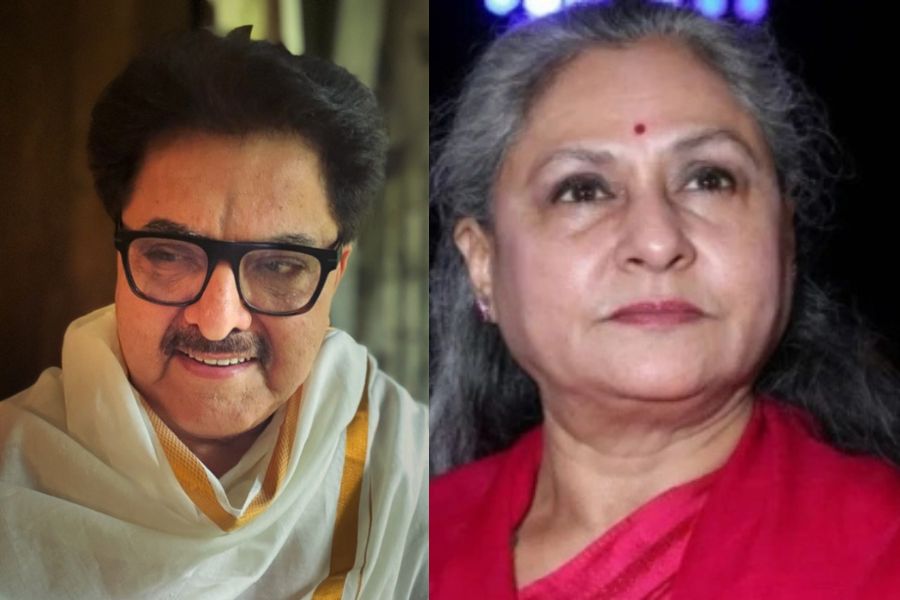
The conversation around celebrity–paparazzi dynamics took a sharp turn this week after veteran actor and parliamentarian Jaya Bachchan made blunt remarks about the behaviour and appearance of photographers. Her comments, delivered at a public event in Mumbai, quickly set social media buzzing — and also prompted a strong public reaction from filmmaker Ashoke Pandit, who criticised her tone and choice of words.
Ashoke Pandit Slams Jaya’s Comments
Soon after the clip of Jaya’s remarks began circulating online, Ashoke Pandit — president of the Indian Film & Television Directors’ Association — shared a detailed note on Instagram addressing her views. In his post, he said her statements “reek of snobbish elitism” and argued that dismissing an entire profession was “unbecoming” of someone in her position.
He pointed out that paparazzi aren’t random bystanders but professionals who often attend events at the invitation of celebrities’ own PR teams. Pandit added that if Jaya has issues with aggressive coverage, “looking inwards” might be a better approach than expressing “misplaced outrage.”
His post, labelled with the caption “Not very parliamentarian, Jaya Bachchan ji,” quickly gained traction, drawing both support and debate online.
Social Media Reacts
Beyond Pandit’s statement, Jaya’s remarks sparked widespread criticism across social platforms. Many users felt the comments were harsh and classist, especially her references to the photographers’ clothing and education. Others pointed out that paparazzi often work long hours under tough conditions and deserved respect for their hustle.
What Jaya Bachchan Actually Said
The controversy began during her appearance at the We The Women event in Mumbai. When asked about her equation with the paparazzi, Jaya responded candidly, saying her relationship with them was “zero.” She questioned their training, professionalism, and even their appearance.
Switching between Hindi and English, she referred to paps standing outside in “drain-pipe pants” and “dirty clothes,” wondering aloud, “What kind of people are these? Where do they come from? What education do they have? Will they represent us?” She added that simply having a mobile phone doesn’t make someone a representative of the media.
A Long History of Discomfort with the Paparazzi
Jaya Bachchan’s friction with photographers is nothing new. Over the years, she has repeatedly been captured on video expressing discomfort, questioning their intrusion, or reprimanding them at public gatherings. Her tough stance has often sparked online debate, with some supporting her need for privacy and others calling her reactions extreme.
Final Words
Jaya Bachchan’s latest remarks have once again stirred the spotlight on celebrity–paparazzi relations — a long-running, complicated relationship between stardom and media scrutiny. With filmmakers, fans, and social media users weighing in, the conversation reflects a much bigger cultural question: where do we draw the line between public life, privacy, and respect?