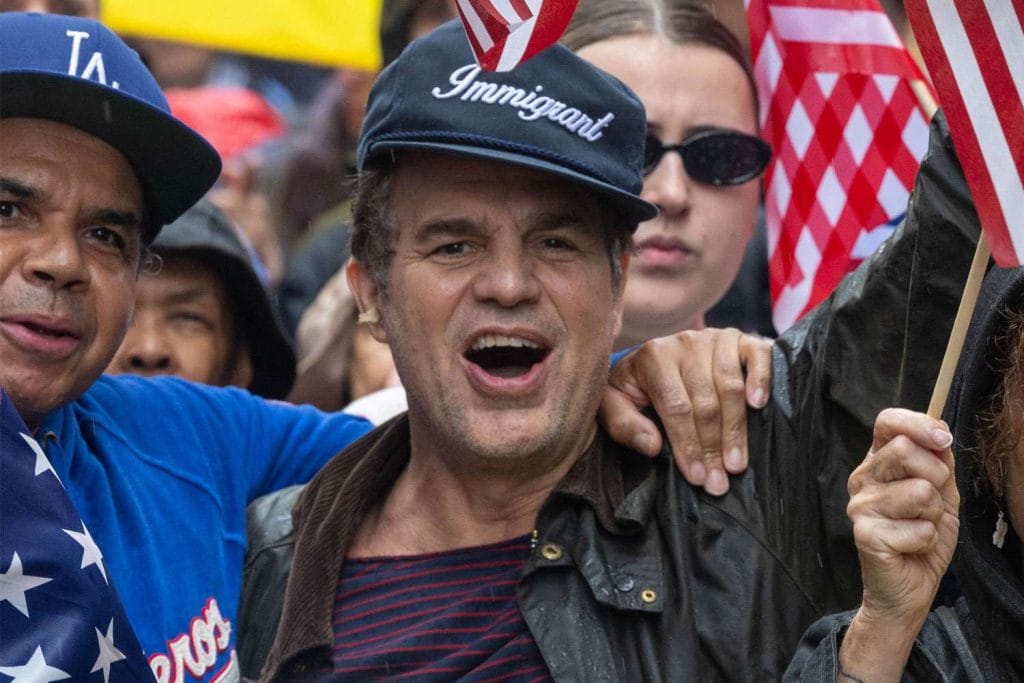
Mark Ruffalo is not backing away from his opposition to Paramount Skydance’s acquisition of Warner Bros. Discovery. After a federal judge approved the settlement that clears the Hollywood megadeal to move forward, the actor argued that combining two of the industry’s biggest entertainment companies will hurt creative work, employment and media independence.
“This merger will stifle creativity, weaken free speech, and cost people their jobs,” Ruffalo wrote after the September 30 court decision, calling the outcome “incredibly disappointing.” He added that the deal “should never have been approved.”
The criticism comes at a decisive moment. U.S. District Judge Araceli Martínez-Olguín approved a settlement between Paramount and a coalition of 12 state attorneys general that had sued to block the acquisition on antitrust grounds. The ruling clears the remaining legal obstacle to a transaction expected to close on October 6, 2026.
Ruffalo’s concern goes beyond one Hollywood merger
Ruffalo has been one of the entertainment industry’s most visible opponents of the deal and had previously urged California Attorney General Rob Bonta not to settle the states’ lawsuit. In his latest comments, the actor framed the fight as part of a broader concern over corporate concentration rather than simply a dispute involving two studios.
His arguments focus on three areas: fewer creative opportunities, potential job losses and the concentration of news and entertainment assets inside one company.
Those concerns are understandable in scale alone. The transaction brings Warner Bros., HBO, CNN and other Warner Bros. Discovery properties into the same corporate structure as Paramount’s film and television operations, CBS and Paramount+. Reuters values the acquisition at roughly $110 billion, while other reporting places the deal’s total enterprise value, including debt, around $111 billion.
Ruffalo’s warning about the merger “weakening free speech” is his assessment of what greater media concentration could mean; regulators have not made the same finding.
In fact, the U.S. Department of Justice reached the opposite conclusion on competition earlier this year. After reviewing the merger, the Antitrust Division said in June that the evidence did not show the transaction was likely to harm competition or American consumers across streaming, linear television or theatrical film production and distribution. It also said the evidence did not establish an actionable antitrust concern over reduced demand for creative workers.
The final settlement includes protections for films, workers and newsrooms
The merger is not moving forward without conditions.
Under the settlement approved by the court, the combined company has committed to releasing at least 30 movies annually during its first two years, increasing to 32 movies a year for the following three years. At least four releases annually must be independent films.
Paramount has also committed to increasing U.S. film-production spending by a total of $1.5 billion over five years compared with its 2025 level. The agreement additionally provides $47.5 million in worker support and introduces an editorial-independence structure covering CBS News and CNN.
Those commitments directly address some of the issues raised during the antitrust fight, although they do not settle the larger argument about what Hollywood consolidation will ultimately mean for creative workers.
The deal has also already cleared regulatory reviews outside the United States. Paramount said in August that it had satisfied required regulatory conditions across nearly 70 countries following an eight-month review process.
The real test comes after the companies combine
Ruffalo’s latest statement is therefore less about whether the acquisition can still clear regulators and more about what happens once it does.
Paramount is already preparing its leadership structure for the combined company. Mattel CEO Ynon Kreiz is joining Paramount and is expected to become co-CEO alongside David Ellison following completion of the Warner Bros. Discovery transaction. Kreiz will focus heavily on day-to-day operations and integration, while Ellison will retain responsibility for areas including long-term strategy and creative direction.
The company is also targeting more than $6 billion in savings, making employment and production levels particularly important measures to watch after integration begins.
That is where Ruffalo’s warning can eventually be tested against the company’s commitments. For now, his prediction that the merger will damage creativity and free expression remains an argument about its future effects, while Paramount and regulators maintain that the transaction can proceed without the competitive harm its opponents fear.
With the deal expected to close October 6, the debate is shifting from whether Paramount should be allowed to acquire Warner Bros. Discovery to whether the merged company actually delivers on its promises to maintain production, support employment and protect editorial independence.