The world behind some of gaming and fantasy’s biggest names is about to look very different. Embracer Group has officially revealed a major company split that will place franchises like The Lord of the Rings, The Hobbit and Tomb Raider under a brand-new entertainment business called Fellowship Entertainment. The move comes after years of restructuring, studio reshuffles, and financial pressure inside Embracer, and now the company is trying to reset its future with a cleaner identity. Instead of operating as one massive umbrella, the business will now split into two separate publicly traded companies in Sweden. One side will focus heavily on premium IP and blockbuster franchises, while the other will continue handling more independent gaming operations and licensed brands.
The newly formed Fellowship Entertainment is clearly being positioned as the crown jewel of the split. The company will control Middle-earth properties alongside major gaming studios including Crystal Dynamics, Eidos-Montréal, 4A Games and Warhorse Studios. It will also oversee publishing, licensing, films, consumer products, and future expansion connected to these brands. That means upcoming projects tied to Middle-earth and Lara Croft could now be developed under a much more focused structure. Industry watchers already think this could lead to faster franchise expansion because Embracer has often been criticized for becoming too large and too complicated after years of acquisitions.
Embracer Says These Franchises Were “Undervalued”
Company chairman Lars Wingefors made it very clear that he believes these brands deserve much bigger attention than they have received so far. In a statement to shareholders, Wingefors called Fellowship’s collection of IP “among the most undervalued in the industry,” which honestly says a lot considering the global popularity of Lord of the Rings and Tomb Raider already. He explained that the entire separation is meant to give each company sharper management focus and clearer leadership instead of forcing everything under one overloaded corporate structure.
The timing is also interesting because Embracer’s recent financial results painted a mixed picture. The company revealed quarterly sales had dropped significantly year-over-year, while profits also took a major hit. Still, the entertainment division housing Lord of the Rings actually showed strong growth during the same period. That probably helped convince leadership that these premium franchises could perform even better as their own standalone business. The company previously paid nearly $400 million to acquire Middle-earth rights back in 2022, and now it seems they want to finally unlock bigger long-term value from those assets.
Meanwhile, the remaining version of Embracer will continue operating with brands like Destroy All Humans!, Titan Quest, Hot Wheels and SpongeBob SquarePants licensing projects. The company says this side of the business will focus more on entrepreneurial studios and flexible publishing operations rather than giant entertainment universes. Even after the split, both companies will still control thousands of employees and massive gaming portfolios, so this is less of a downsizing move and more of a complete identity reset.
What This Could Mean for Future Lord of the Rings and Tomb Raider Projects
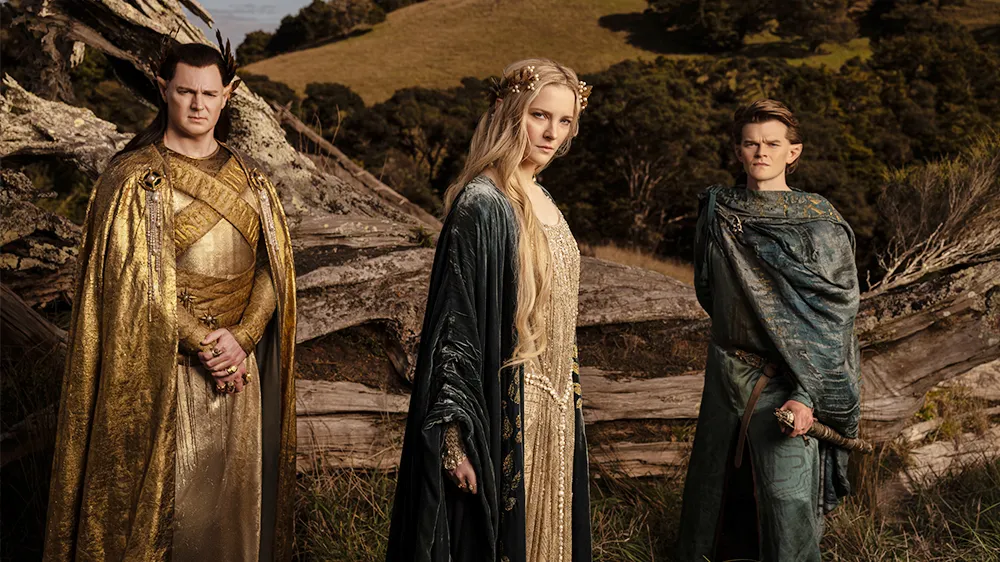
For fans, this shake-up could end up becoming very important over the next few years. Fellowship Entertainment is expected to begin trading during the first quarter of the 2026–2027 financial year, and insiders already believe the company will aggressively expand its biggest properties across games, film, merchandise, and television. The Middle-earth universe especially has become extremely active lately with multiple game projects, Amazon’s ongoing fantasy expansion, and Andy Serkis developing The Hunt for Gollum. At the same time, the Tomb Raider franchise continues building momentum again after reports connected Sophie Turner to Amazon’s upcoming Lara Croft series.
Embracer CEO Phil Rogers and COO Lee Guinchard are both moving over to lead Fellowship, which signals how seriously the company is taking this transition. Rogers described the split as a more disciplined approach built around transparency and long-term growth. Behind all the corporate language though, the bigger message feels obvious — Embracer believes these franchises can become far more valuable than they are right now. After years of layoffs, restructures, and uncertain strategy, this may be the company’s biggest attempt yet to convince investors and fans that it finally has a proper direction forward.