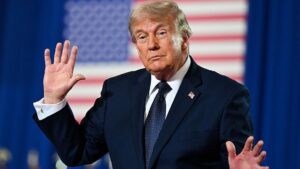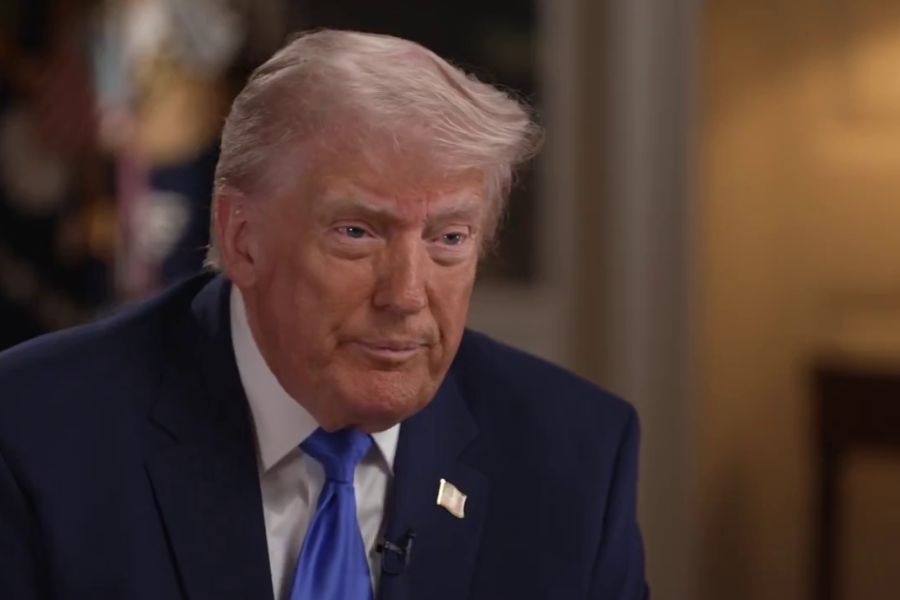
What was supposed to be a standard political interview quickly turned into a heated and uncomfortable moment on camera. During a recorded conversation, things escalated when sensitive details about a suspect’s alleged writings were brought up, and the reaction from Donald Trump made it clear he wasn’t going to let it slide quietly. The exchange has now become one of the most talked-about moments linked to the recent White House Correspondents’ Dinner incident.
The tension unfolded during an interview with Norah O’Donnell on 60 Minutes, where she read out excerpts from a manifesto allegedly written by the suspect involved in the security breach. The lines included disturbing accusations and references that appeared to target political figures, which immediately shifted the tone of the conversation. Trump reacted sharply, interrupting and calling out the decision to read such statements on air, clearly frustrated by the direction the interview had taken.
As the discussion continued, Trump strongly denied the claims mentioned in the manifesto and pushed back against any suggestion that the suspect was referring to him. He didn’t hold back in criticizing the media either, calling the situation unfair and accusing the interviewer of amplifying what he described as baseless and offensive content. The moment felt less like a structured interview and more like a confrontation, with both sides standing firm in their positions.
The suspect at the center of the controversy has been identified in multiple reports as Cole Allen from California, who is expected to face serious federal charges. According to details discussed during the interview, the individual had allegedly planned the breach in advance and even commented on what he saw as gaps in security. That part of the conversation shifted focus toward how the incident unfolded and whether there were vulnerabilities in the system.
Trump, however, took a different angle when addressing those concerns. He argued that the security response ultimately worked, pointing out that the suspect was quickly apprehended. While critics questioned preparedness, Trump emphasized that the agents handled the situation effectively under pressure, even suggesting that the suspect’s own actions exposed his lack of competence.
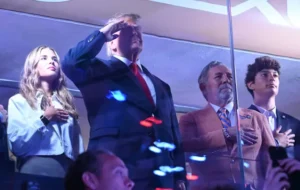
The conversation also revisited the chaotic moments during the White House Correspondents’ Dinner, where gunfire triggered panic inside the venue. Trump described how he initially hesitated to move, wanting to understand what was happening before being escorted out by security. That hesitation, he admitted, may have slightly slowed down the response, as agents repeatedly urged him to get down and move to safety.
There was also a striking visual element referenced during the interview — footage showing top officials, including Vice President JD Vance, being rushed out of the ballroom. Trump himself recalled being asked to lower himself to the ground while exiting, describing the situation as tense and rapidly evolving. It’s the kind of moment that highlights just how quickly events can spiral, even in highly secured environments.
What makes this entire episode stand out is not just the security scare, but the way the interview captured the raw aftermath of it. The clash between Trump and O’Donnell reflects a broader tension between political figures and media coverage, especially when dealing with sensitive or controversial material. It also raises questions about how much of such content should be publicly discussed, and where the line between reporting and amplification really lies.
With the interview set to air in full, it’s likely this exchange will continue to spark debate. Whether people focus on the security concerns, the suspect’s motivations, or the heated tone of the conversation itself, one thing is certain — this wasn’t just another political interview, it turned into a moment that people are going to keep talking about for a while.