The TARDIS is heading into uncertain territory.
The BBC confirmed on Wednesday that the planned 2026 Doctor Who Christmas special will no longer go ahead, despite earlier promises that audiences would receive a “spectacular” festive episode. The announcement arrives alongside another major shake-up behind the scenes, with Russell T Davies and production company Bad Wolf stepping away from the iconic series.
For longtime viewers, the news lands as more than just a scheduling update. Christmas specials have become woven into the fabric of modern Doctor Who. They delivered regenerations, emotional farewells, surprise returns, and some of the show’s most beloved moments. For many families in the UK, tuning in to watch the Doctor save Christmas became a holiday ritual.
Now, for the first time in years, that tradition is being interrupted.
The BBC acknowledged fans’ likely disappointment in its official statement, admitting the decision was not made lightly.
Why the BBC Is Changing Course
According to the broadcaster, the cancellation is tied to a larger plan focused on securing the show’s future rather than producing a one-off stopgap episode.
“As part of securing the next phase of the show for future generations, and in line with the BBC’s Charter and Agreement requirements, the BBC will put Doctor Who out to competitive tender this year. Doctor Who remains an important part of the BBC and this tender underpins the BBC’s continued commitment to Doctor Who ensuring audiences will enjoy the show for years to come,” the BBC said.
The statement confirmed that the corporation, Davies, and Bad Wolf collectively agreed not to proceed with the festive special.
“After careful consideration, the BBC, Russell T Davies and Bad Wolf have collectively decided not to go ahead with the previously announced Doctor Who Christmas episode.”
“This decision was not taken lightly, and we know it will be disappointing for fans, but in order to set the show up for future series, it was decided that rather than bridge the gap with a one off special, we are choosing to push forward to invest in the long-term future of the show which ensures that when the TARDIS lands once more, it does so in all its glory.”
That explanation suggests the BBC is prioritising structural changes over short-term fan service. Rather than creating an episode designed to fill the gap between seasons, executives appear focused on reinventing the franchise’s next chapter.
Russell T Davies Says Goodbye Again
Davies’ departure carries particular emotional weight for the fanbase.
He was instrumental in reviving Doctor Who in 2005, transforming it from a dormant cult favourite into one of Britain’s biggest television exports. Under his leadership, Christopher Eccleston, David Tennant, and later successors helped introduce a new generation to the Time Lord’s adventures.
After stepping away, Davies returned in 2021 as part of another major reboot alongside Bad Wolf. His second tenure aimed to refresh the franchise through a Disney-backed partnership and a new creative direction.
At the same time the BBC released its statement, Davies shared his own farewell message on Instagram.
He clarified that he had never completed a script for the cancelled Christmas episode and added that “no actor was ever approached to play the next Doctor.”
Those remarks seem intended to address months of speculation surrounding the show’s future.
Interestingly, that version of events doesn’t entirely align with previous comments from others involved in production. Earlier this year, composer Murray Gold told Radio Times that Davies had written multiple versions of the Christmas special’s script. How much of the episode actually existed behind closed doors remains unclear.
A Franchise Facing Its Biggest Questions
The latest developments arrive during one of the most turbulent periods in Doctor Who’s recent history.
Disney+, which partnered with the BBC as an international co-producer during Davies’ second run, exited the arrangement last year. Ncuti Gatwa also departed the role of the Doctor, ending a tenure that many fans felt deserved more time to develop.
At the same time, ratings struggles sparked concerns about whether the series could maintain its cultural relevance in an increasingly crowded entertainment landscape.
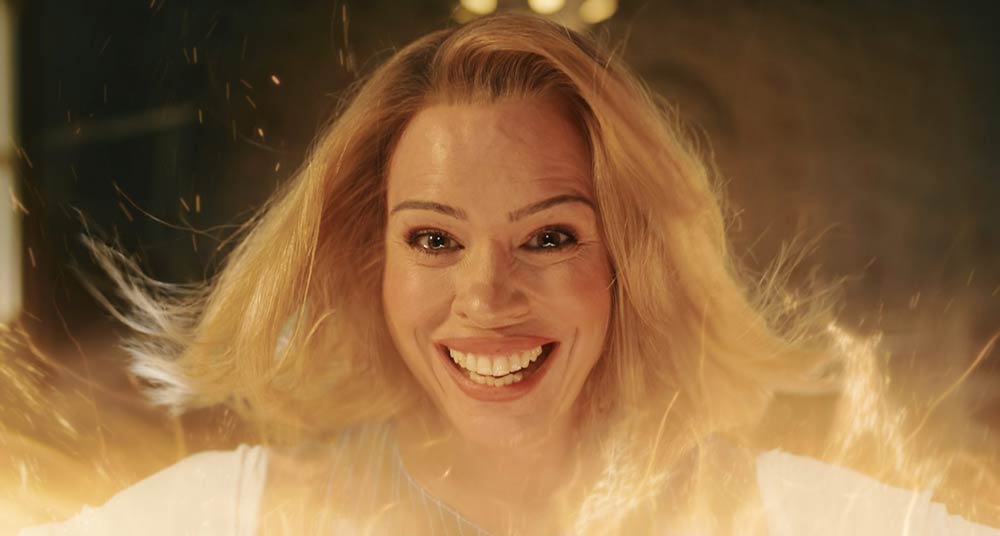
Those concerns intensified after Season 15 concluded with one of the franchise’s most mysterious cliffhangers. Gatwa’s Doctor appeared to regenerate into Billie Piper’s Rose Tyler, one of the most beloved companions in modern Doctor Who history.
The ending left audiences with more questions than answers.
Many assumed the 2026 Christmas special would provide the missing pieces and explain exactly what viewers had witnessed. Instead, that storyline now hangs unresolved as the BBC reshapes its plans.
The broadcaster insists this isn’t the end.
By putting Doctor Who out to competitive tender, BBC Studios and independent producers alike will have the opportunity to pitch their vision for the future of the franchise. The process could ultimately lead to another creative reinvention for the Time Lord.
Elsewhere in the Whoniverse, development continues. The BBC confirmed that a new animated Doctor Who series is currently in production. However, The War Between the Land and the Sea, another spin-off produced with Disney, is reportedly not expected to return for a second season.
For fans, the immediate reaction will likely be disappointment. The Christmas specials weren’t just episodes. They marked transitions, celebrated nostalgia, and reminded audiences why the Doctor endured through decades of change.
Yet change has always been part of Doctor Who’s DNA. Companions leave. Doctors regenerate. Showrunners move on. The TARDIS disappears, only to return when it’s needed most.
This Christmas, it won’t arrive. But if the BBC’s promises hold true, the next time those blue doors open, they hope it will be for a future worthy of the show’s extraordinary legacy.