Paramount Skydance has removed one of the biggest barriers standing between it and Warner Bros. Discovery after reaching a settlement with a coalition of 12 state attorneys general. The agreement ends the states’ antitrust challenge if approved by the federal court and brings the proposed $110 billion combination considerably closer to completion. It also arrived at a crucial moment for Paramount, which faced mounting financial pressure if the transaction remained unfinished beyond the end of September. What began as a courtroom battle over Hollywood consolidation has now produced a five-year package covering film output, domestic production spending, worker protections, cable negotiations and the editorial independence of CNN and CBS News.
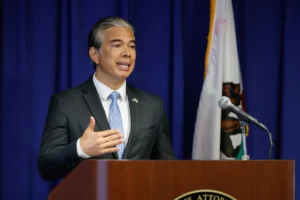
The settlement is particularly significant because the states had previously succeeded in temporarily stopping the merger and were preparing for a trial in March 2027. California Attorney General Rob Bonta led the coalition that sued in July, arguing that combining Paramount and Warner Bros. would reduce competition in theatrical films and basic cable programming. The California Department of Justice had described the proposed $110 billion transaction as the largest merger in Hollywood history and said the combined company would control close to one-third of the U.S. theatrical film market and basic cable programming. Paramount has consistently disputed the states’ view of the deal, arguing that a larger company would be better positioned to compete with streaming giants and increase investment in content.
Paramount accepts major production commitments
The final settlement goes well beyond simply dropping the lawsuit. Paramount has committed to releasing 30 films annually during the first two years following the merger and 32 films per year during the next three years, with minimum requirements for wide theatrical releases. At least four independent films must also be released each year, creating a measurable production floor that can be enforced in court. If Paramount misses the annual film-output requirement, the agreement includes financial penalties and could ultimately require the company to divest Miramax.
Domestic production is another central part of the agreement. Paramount has promised to spend at least $1.5 billion more on U.S. film production over five years compared with its 2025 spending level, a commitment designed to address concerns about declining work in Hollywood and elsewhere in the American entertainment industry. A separate $47.5 million workforce fund will support training and career development for employees affected by the merger, while the combined company must continue honoring existing collective bargaining agreements. Attorney General Bonta said the settlement addresses the states’ concerns about reduced output and rising prices, while stressing that reaching an agreement should not be interpreted as an endorsement of the merger itself.
That distinction matters because the original lawsuit presented the merger as a threat to both consumers and entertainment workers. The states argued that eliminating competition between two major studios could give the merged company greater leverage over theaters, cable distributors and creative workers. Under the settlement, Paramount and Warner Bros. cable channels must continue to negotiate distribution agreements separately for five years rather than being bundled into a single negotiating position. The combined company must also continue offering a free streaming service comparable to Pluto TV, giving the settlement a consumer-facing component beyond Hollywood production levels.
CNN and CBS News get an editorial safeguard
The merger would place two of America’s most prominent television news brands under the same corporate umbrella: Paramount’s CBS News and Warner Bros. Discovery’s CNN. That prospect became another focus during negotiations, particularly for attorneys general concerned about maintaining editorial independence inside a much larger media company. The settlement now requires an independent News Editorial Independence Board designed to provide oversight for CNN and CBS News after the companies combine. An independent monitor will also oversee Paramount’s broader compliance with the agreement.
The creation of that board does not resolve every concern surrounding newsroom consolidation, and some journalists and media advocates have already questioned how effective such a structure will be in practice. What the agreement does provide is a formal mechanism that can be evaluated once the merged company begins operating, rather than relying solely on corporate assurances about editorial autonomy. New York Attorney General Letitia James’ office highlighted the independent board alongside film-production and cable-pricing commitments when announcing the settlement. Those safeguards will now become part of the conditions attached to the merger rather than informal promises made during negotiations.
The ticking fee added pressure to reach a deal
Timing played an important role in bringing the dispute to a conclusion. Paramount was approaching an October 1 deadline that could have triggered a costly daily payment connected to delays in closing the transaction, adding financial urgency to settlement negotiations. Reports placed the effective cost at roughly $7 million per day, creating an increasingly expensive reason for Paramount to resolve the state litigation instead of allowing the dispute to continue toward the planned 2027 trial. The agreement therefore removes not only a legal risk but also a potentially substantial financial burden tied to further delays.
The states had considerable leverage of their own after securing a temporary restraining order in July. Rather than immediately continue fighting over a preliminary injunction, Paramount agreed to hold the transaction until June 1, 2027, or until the court resolved the underlying case. That pause meant the company could not simply close the acquisition while litigation moved slowly through the courts. With the new settlement now pending judicial approval, the path toward combining the studios, streaming services, television networks and extensive entertainment libraries of Paramount and Warner Bros. Discovery has become substantially clearer.
Critics still question what Hollywood will lose
Not everyone who opposed the merger believes the settlement goes far enough. Alvaro Bedoya of the American Economic Liberties Project criticised the decision to settle and said, “Today, billionaires have yet again bribed, censored and bullied their way to the top.” He also argued that political leaders had failed entertainment workers and small businesses that could be affected by further industry consolidation. Those comments represent Bedoya’s criticism of the agreement rather than an established finding about the conduct of Paramount or the public officials involved.
Labor concerns have been central to the merger debate from the beginning. The Writers Guild of America filed its own lawsuit in July, arguing that the merged company could become the largest buyer of original film and television programming in the United States and potentially gain greater power over writers’ wages and employment opportunities. Paramount has taken the opposite position, maintaining that greater scale will allow it to produce more content and compete more effectively against companies such as Netflix and Amazon. The settlement’s production targets, worker fund and enforcement provisions can therefore be understood as an attempt to address some of those concerns without requiring Paramount to sell major assets before completing the deal.
The deal still requires court approval, meaning the legal process is not technically finished. But the settlement with the 12 attorneys general removes the state coalition that had successfully stopped the transaction earlier in the summer and had been preparing to take Paramount to trial. If the agreement receives approval and the remaining conditions are satisfied, Hollywood could soon see Paramount Pictures, Warner Bros., HBO, CNN, CBS and their associated streaming and television assets operating within one vastly expanded media company. The next test will be whether the detailed promises that helped unlock the merger translate into the film production, worker protections, competitive pricing and editorial independence promised on paper.
Q&A
Why did Paramount settle with the 12 state attorneys general?
The coalition had sued to stop Paramount’s acquisition of Warner Bros. Discovery on antitrust grounds and had already secured a court order temporarily pausing the transaction. Continuing the case could have kept the merger frozen until a planned 2027 trial while Paramount faced increasing financial costs from delays. The settlement removes that obstacle in exchange for enforceable commitments covering production, workers, cable negotiations and news operations. The agreement must still receive court approval before the litigation is formally resolved.
How much is the Paramount-Warner Bros. Discovery deal worth?
California’s attorney general has described the transaction as a proposed $110 billion merger and the largest in Hollywood history. Other financial reports sometimes use different figures depending on whether they are discussing equity value, enterprise value or the broader financing structure. For consistency, the $110 billion figure reflects the value used in the California Attorney General’s antitrust filings and public statements. The transaction combines two major Hollywood studios alongside substantial television, streaming and news assets.
What has Paramount promised under the settlement?
Paramount must maintain minimum annual film-release levels for five years, beginning with 30 movies per year and increasing to 32. It has also promised at least $1.5 billion in additional domestic film-production spending compared with its 2025 level. The agreement creates a $47.5 million workforce fund and imposes conditions on how Paramount and Warner Bros. cable networks negotiate distribution contracts. It also establishes an editorial independence board for CNN and CBS News and an independent monitor to oversee compliance.
Will Paramount have to sell CNN, CBS or Warner Bros.?
The announced settlement does not require a major upfront divestiture of CNN, CBS or Warner Bros. Instead, regulators secured behavioral and production commitments designed to preserve competition and protect workers. However, the settlement contains enforcement mechanisms if Paramount fails to meet certain obligations, including a possible Miramax divestiture connected with missed film-output requirements. The focus therefore shifted from breaking up the combined company before closing to imposing enforceable rules on how it operates afterward.
Why were CNN and CBS News part of the negotiations?
The merger would place both news organizations inside the same corporate group, raising questions about editorial independence and concentrated control of major news outlets. The settlement responds by requiring a News Editorial Independence Board for CNN and CBS. The board is intended to provide an additional layer of oversight while the combined company operates both organizations. Whether that arrangement proves effective will depend on its implementation after the merger closes.
Is the Paramount-Warner merger now completely approved?
The settlement removes one of the most significant remaining legal challenges, but the consent agreement itself is still subject to court approval. Paramount had previously received U.S. Justice Department clearance before the states pursued their separate antitrust challenge. Resolving the states’ lawsuit therefore dramatically improves the company’s ability to move toward closing the transaction. The merger’s eventual impact on film production, jobs, cable pricing and competition will only become measurable after the combined company begins operating.