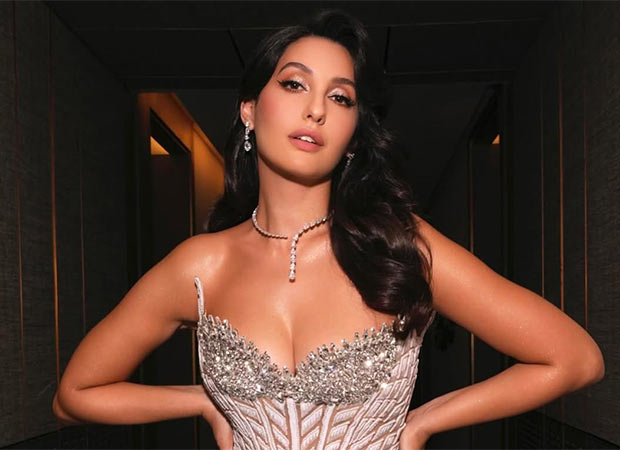
Actor and dancer Nora Fatehi finally addressed the growing controversy around the song Sarke Chunar after appearing before the National Commission for Women in Delhi on Thursday. The actor, who had earlier skipped the hearing because she was abroad, appeared before the panel and issued a written apology regarding the matter. Outside the Commission office, Nora briefly spoke to the media and said she never intended to offend anyone through the song.
The controversy around Sarke Chunar has been building for weeks now after the Hindi version of the track sparked backlash online over its allegedly explicit lyrics and presentation. While the song featured Nora alongside Sanjay Dutt, much of the criticism quickly turned toward the alleged vulgar portrayal of women in the music video. The issue eventually reached the NCW, which summoned those associated with the track to explain their involvement and accountability.
Speaking after the hearing, Nora clarified that she felt she was placed in an unfortunate situation and claimed there was no deliberate intention from her side to hurt sentiments. The actor admitted that public figures carry responsibility for the content they are associated with and said she had formally apologised in writing before the Commission. Her statement looked noticeably careful and measured, especially considering how aggressively the issue has been discussed across television debates and social media over the last month.
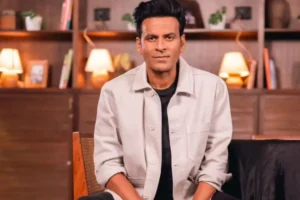
Nora also revealed that she plans to sponsor the education of orphaned girls as part of a positive social initiative following the controversy. According to the actor, the Commission encouraged constructive steps toward giving back to society, and she decided to support the education of several young girls. The gesture comes shortly after Sanjay Dutt also made a similar commitment during his own appearance before the Commission, where he reportedly pledged educational support for 50 tribal girl children.
The entire controversy became more complicated after Nora publicly distanced herself from the Hindi adaptation of the song. She had earlier stated through Instagram that she originally shot only for the Kannada version and did not understand the language during filming. According to her clarification, she was shocked after hearing the Hindi lyrics later, claiming she had not approved or consented to the adaptation before its release. That statement became a major talking point online because many users questioned how much artists should be held accountable for dubbed or modified versions of songs released under their name.
The makers eventually removed the Hindi version from YouTube after the backlash intensified, although clips from the song continued circulating heavily across social media platforms. Meanwhile, the lyricist, singer, and director associated with the Hindi adaptation also reportedly issued apologies amid growing criticism. Interestingly, lyricist Raqeeb Alam later distanced himself from the controversy as well, even though he was credited for the Hindi lyrics.
The original Kannada version of the song was reportedly written by filmmaker Prem for the upcoming film KD The Devil. But once the Hindi version released on March 15, reactions quickly turned negative because of certain lyrics many viewers considered sexually suggestive and inappropriate. Several celebrities and public figures also weighed in on the debate, including Kangana Ranaut, Ravi Kishan and singer Armaan Malik, all of whom criticised the song publicly.
What makes this entire episode significant is how quickly entertainment controversies are now escalating into public accountability debates. Songs, dance numbers, and promotional material in mainstream cinema are facing much stronger scrutiny than before, especially when they involve gender representation and explicit content. For actors like Nora Fatehi, whose image is heavily connected with dance performances and music videos, balancing glamour with public sensitivity is becoming increasingly difficult in today’s climate.
Despite the controversy, Nora still remains one of the most visible dance performers in Bollywood today, regularly appearing in big-budget films, music videos, and international collaborations. But this incident may also push production houses and music labels to be more careful with regional adaptations and lyrical changes before release.
According to reports, the National Commission for Women has been examining concerns related to vulgarity, intent, awareness, and accountability linked to the song’s release.