Intro
When Anurag Kashyap announces a crime drama, expectations automatically shoot up. Dark alleys, morally broken characters, political undertones — that’s his playground.
With Kennedy, Kashyap dives once again into the underbelly of crime and power. The film premiered at the Cannes Film Festival in 2023 and later screened at MAMI, building serious anticipation.
But does it deliver the knockout punch we expect from a Kashyap thriller? Not entirely.
The Story: Crime Meets Political Ambition
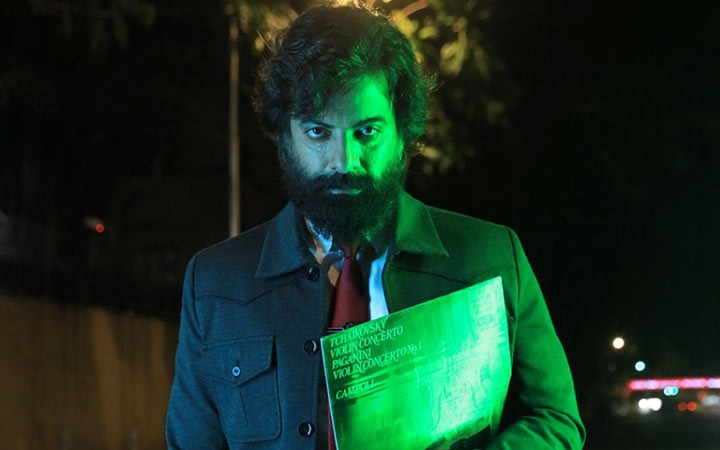
At the centre of the chaos is Kennedy — played by Rahul Bhat — an ambitious gangster who isn’t content with street-level dominance. He wants political influence. He wants power that stretches beyond bullets and blood.
The film explores the dangerous overlap between crime and politics — a nexus that feels disturbingly believable. As Kennedy climbs the ranks, betrayal becomes routine and loyalty feels temporary. The world he operates in is ruthless, and every decision carries a cost.
On paper, it’s a gripping setup. A man torn between ambition and morality, survival and conscience. But while the themes are compelling, the storytelling struggles to stay focused.
Execution: Stylish but Disjointed
Kashyap’s signature grit is very much present. The cinematography is moody and textured, creating a dark, brooding atmosphere that mirrors the moral decay on screen. The action sequences are sharp and visually arresting.
However, the narrative feels fragmented. Subplots weave in and out without strong emotional anchors. At nearly 2 hours and 40 minutes, the runtime begins to weigh heavily, especially in the second half.
There are stretches where the pacing slows down significantly. Instead of building tension, the film drifts. The ambition to create a layered, morally ambiguous saga is visible — but the structure lacks cohesion.
Performances: The Film’s Strongest Pillar
If Kennedy works at all, it works because of Rahul Bhat. He delivers a controlled, intense performance. There’s quiet menace in his eyes, but also flashes of vulnerability. He doesn’t overplay the character — and that restraint makes his portrayal compelling.
Sunny Leone takes on a more layered role than usual. While her performance has moments of sincerity, it doesn’t fully elevate the material given to her. Megha Burman and Kurush Deboo provide solid support, adding texture to the film’s world.
The real issue isn’t acting — it’s character development. Many arcs feel incomplete. We see the characters struggle, but we rarely feel deeply connected to their journey.
Direction: Classic Kashyap, For Better and Worse
Anurag Kashyap excels at creating morally grey spaces. His direction in action-heavy moments is confident and stylish. The violent confrontations feel raw and immersive.
But his decision to juggle multiple narrative threads dilutes the emotional intensity. The film wants to say a lot about ambition, decay, and corruption — but it doesn’t always say it clearly.
A tighter edit and sharper focus could have transformed Kennedy into a far more powerful crime drama.
What Worked
- Rahul Bhat’s gripping performance
- Dark, immersive cinematography
- Strong thematic ambition
- Stylishly executed action scenes
What Didn’t
- Disjointed storytelling
- Overlong runtime
- Weak emotional payoff
- Underdeveloped character arcs
Final Verdict
Kennedy has the ingredients of a compelling crime epic — ambition, politics, moral decay, and strong performances. But it never fully comes together.
It’s stylish. It’s intense in parts. But it’s also scattered and emotionally distant.
For fans of Anurag Kashyap’s darker cinema, there’s enough here to appreciate. For others, the film may feel like a promising idea that lost its way somewhere in the shadows.
⭐ Rating: 2/5