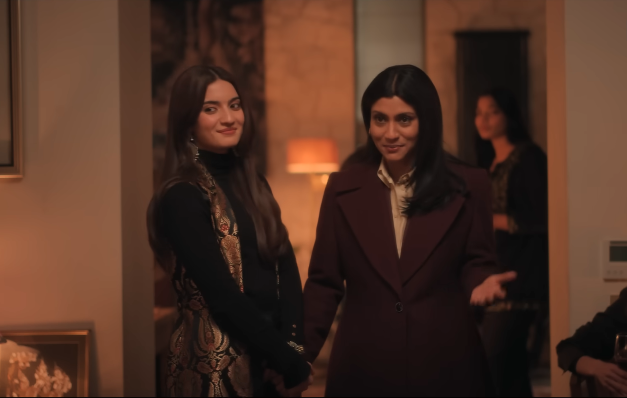
In a cinematic space where queer stories often arrive wrapped in tragedy or packaged as message-driven crowd-pleasers, Accused chooses a very different route. It doesn’t shout about identity. It doesn’t build its conflict around social stigma. Instead, it places two queer women at the centre of a gripping psychological storm — and then lets the story unfold around power, doubt, and public perception.
Directed by Anubhuti Kashyap, the London-set thriller stars Konkona Sensharma and Pratibha Ranta in roles that feel intimate, raw, and disturbingly real. What makes Accused stand out isn’t dramatic spectacle — it’s restraint. And that restraint becomes its boldest statement.
The Story: When Reputation Begins to Crack
At the heart of the film is Dr. Geetika, a highly respected London-based gynaecologist whose life begins to unravel when allegations of sexual misconduct surface against her. There are no loud confrontations or dramatic courtroom theatrics in the beginning. Instead, the tension creeps in quietly.
Whispers turn into suspicion. Suspicion turns into scrutiny. And soon, her carefully built professional credibility starts slipping through her fingers.
What’s fascinating is that the film doesn’t make her sexuality the core of the conflict. Geetika is in a same-sex marriage with Dr. Meera, but their struggles are written with the emotional vocabulary usually reserved for heterosexual relationships. There is doubt. There is anger. There is hurt. There is the unbearable weight of mistrust.
The conflict stems not from queerness, but from power, perception, and the fragility of trust in the age of social media outrage. The script refuses easy answers. It sits comfortably in moral grey zones, forcing the audience to sit with discomfort rather than handing them clarity.
Direction: Controlled, Sharp, and Unapologetically Mature
Anubhuti Kashyap directs with remarkable control. The pacing is measured. The tension simmers rather than explodes. There’s no melodramatic background score guiding your emotions. Instead, the horror lies in reputational collapse — in how quickly public morality forms judgments before truth is established.
The film also subtly examines women in positions of authority. It questions how power operates — and whether gender changes its moral weight. The gaze remains observational rather than accusatory. There is no preaching here. The narrative respects the audience enough to let them interpret.
If there’s one area where the film could have gone deeper, it’s in exploring Dr. Meera’s professional world. While her emotional journey is compelling, a few more layers to her internal and external conflicts would have made her arc even more powerful.
Performances: Two Women, One Emotional Battlefield
Konkona Sensharma delivers one of her most layered performances in recent years. As Geetika, she is neither entirely sympathetic nor entirely suspicious — and that’s what makes her riveting. There are moments when you root for her fiercely. There are others when doubt creeps into your mind.
She portrays irritation, vulnerability, arrogance, fear, and desperation with stunning authenticity. The character feels unsettlingly human.
Pratibha Ranta, who first caught widespread attention with Laapataa Ladies, proves her versatility here. As Meera, she carries quiet emotional devastation in her eyes. Her performance is controlled but deeply affecting. You can sense her love for her partner — and her growing frustration. She wants to save her marriage, yet finds herself battling it instead.
The supporting cast — including Sukant Goel, Daniele Secondi, and Monica Mahendru — provide solid support, but the film truly belongs to its two leading women.
What Worked
- The refusal to sensationalise queerness
- Moral ambiguity that trusts the audience
- Konkona’s magnetic, unpredictable performance
- Subtle exploration of social media judgment
- A thriller that relies on psychology, not shock value
What Didn’t
- Dr. Meera’s character could have been more layered professionally
- A slightly sharper exploration of institutional systems might have added depth
Final Verdict: The Power of Being “Normal”
Accused doesn’t aim to be revolutionary through noise. Its revolution lies in normalcy.
By presenting a queer marriage without turning it into spectacle, the film quietly rewrites how representation can function in mainstream storytelling. It tackles abuse of power, public morality, and digital outrage culture — all while grounding itself in deeply human emotion.
Unsettling, thoughtful, and mature, Accused finds its drama not in identity politics, but in the fragile architecture of trust.
And sometimes, that quiet confidence is far more groundbreaking than anything loud.