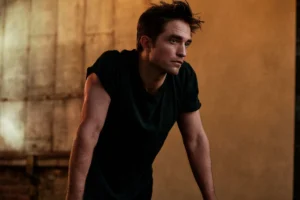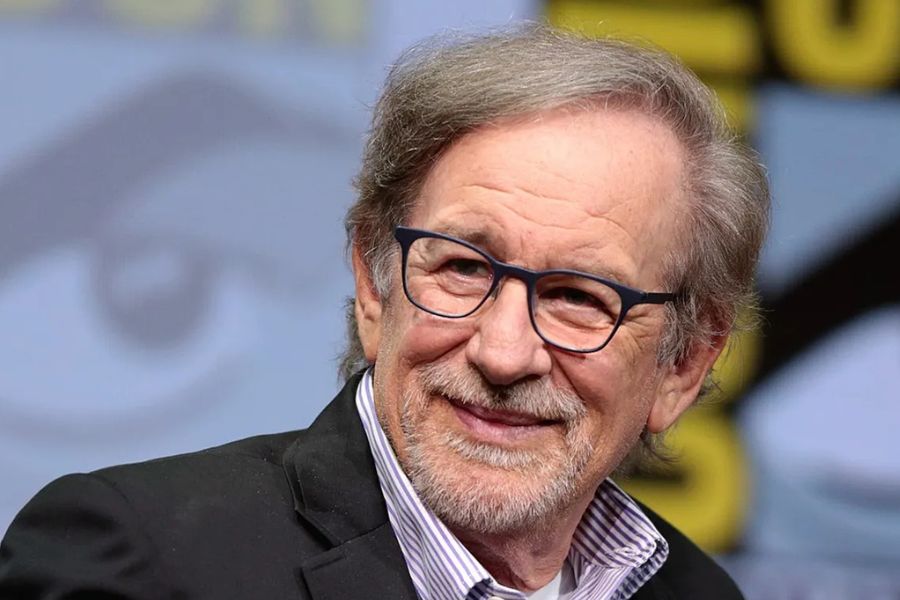
The debate around Timothée Chalamet’s controversial comments about ballet and opera is far from cooling down. Now, one of Hollywood’s most respected filmmakers, Steven Spielberg, has subtly stepped into the conversation — and his words have added a new layer to the discussion about the value of traditional performing arts.
The Oscar-winning director appeared at the 2026 South by Southwest (SXSW) Film & TV Festival, where he spoke about the evolving movie industry and the unique power of communal entertainment. While discussing the difference between streaming and theatrical experiences, Spielberg seemed to deliver a gentle but pointed response to Chalamet’s earlier remarks that had sparked widespread backlash across the entertainment world.
Spielberg champions the magic of shared art experiences
During the SXSW panel, Spielberg reflected on how storytelling feels different when audiences experience it together. The legendary filmmaker explained that while he appreciates streaming platforms and has collaborated with companies like Netflix, nothing quite matches the emotional connection created in a cinema or live performance setting.
He described the feeling of strangers gathering in a dark theater, sharing reactions to a film, and walking away united by the same emotional journey. In the middle of that thought, Spielberg made a remark that quickly drew laughter and applause from the audience.
The director noted that the same communal magic happens not just in movie theaters but also in concerts — and importantly, in ballet and opera. His comment, delivered with a smile, was widely interpreted as a light but unmistakable nod to the controversy surrounding Chalamet’s earlier statement.
Spielberg added that experiences like these should continue to thrive for generations, emphasizing the importance of sustaining live art forms in an entertainment landscape increasingly dominated by digital viewing.
A growing wave of criticism toward Chalamet’s comments
Spielberg is far from the only public figure who has weighed in on the debate. Since Chalamet’s remarks began circulating online, numerous artists from the worlds of ballet, opera, and film have spoken out in defense of those traditional art forms.
Prominent ballet performers Misty Copeland and Tiler Peck were among the first to respond. Opera stars such as Andrea Bocelli and Isabelle Leonard also joined the conversation, while the Metropolitan Opera released its own reaction. In Hollywood circles, well-known voices including Whoopi Goldberg, Nathan Lane, Jamie Lee Curtis, Sheryl Lee Ralph, Charlie Puth, and Karla Sofía Gascón have also expressed their views.
Many of these figures emphasized that ballet and opera remain culturally significant art forms that continue to inspire artists and audiences worldwide.
How the controversy began
The controversy started during a public conversation between Timothée Chalamet and his Interstellar co-star Matthew McConaughey at the University of Texas. While discussing the future of cinema and artistic careers, Chalamet made a comment that quickly drew attention.
The actor said he had no interest in working in fields like ballet or opera, suggesting that those forms sometimes feel like efforts to keep traditions alive even when “no one cares about them anymore.” Although he added that he meant no disrespect to artists in those fields, the statement triggered strong reactions across social media.
Clips from the conversation spread rapidly online, and many users criticized the remark as dismissive toward long-standing artistic traditions.
Social media backlash grows
The internet response was swift and intense. Many fans and critics argued that an actor — someone working in another creative art form — should appreciate the value of all artistic expression.
Some social media users joked that the comment could hurt Chalamet’s awards chances, while others questioned why a performer would undermine other disciplines within the arts. Several posts pointed out that ballet and opera have survived centuries and continue to influence modern cinema, theater, and music.
Despite the ongoing debate, Chalamet has not publicly addressed the criticism since the clips went viral.
Awards season pressure adds context
The controversy comes at a significant moment in Chalamet’s career. The actor is currently nominated for Best Actor at the Academy Awards for his role in Marty Supreme, where he plays a fiercely determined professional ping-pong player.
His performance has been widely praised during the awards season. Chalamet already secured the Golden Globe for Best Actor – Drama, although he narrowly missed the same honor at the BAFTA Awards.
In the Oscar race, he faces stiff competition from actors such as Wagner Moura, Michael B. Jordan, Ethan Hawke, and Leonardo DiCaprio.
Final Words
Steven Spielberg’s SXSW remarks may have been delivered with humor, but they underline a larger conversation unfolding across the entertainment industry. At a time when streaming dominates how audiences consume content, many artists are reminding the public that live performance — whether in theaters, concert halls, ballet stages, or opera houses — still holds a special kind of cultural power.
For now, the discussion sparked by Timothée Chalamet’s comments continues to ripple through Hollywood and the performing arts world, proving that debates about the value of artistic traditions can be just as dramatic as the performances themselves.