Chatha Pacha: The Ring of Rowdies sets out with a wild, almost rebellious energy. From its very first frames, the film makes it clear that this isn’t just another underdog story — it wants to celebrate wrestling as spectacle, performance, and street-level obsession. And when it stays inside the ring, the film genuinely delivers some of the most electric sequences seen in recent Malayalam cinema. But once the ropes come down and the focus shifts to emotional drama, the film starts losing its grip.
The Story at a Glance
The film follows three brothers bound by childhood memories and a shared obsession with WWE-style professional wrestling. Little (Ishan Shoukath) returns to Kochi after years of staying away from home, carrying a plan to turn their passion into something bigger. He reunites with Savio (Arjun Ashokan), only to learn that their elder brother Vetri (Roshan Mathew) is currently in jail, while Vetri’s daughter Rose is being raised by Savio.
Fuelled by nostalgia, desperation, and ambition, Little pitches an idea: why not bring sports entertainment-style wrestling to Kochi? The brothers decide to launch a wrestling club inspired by everything they admired growing up — drama, personas, entrances, and crowd frenzy — guided by the old mantra given by their mentor-like figure Bullet Walter: “Chatha Pacha” — do or die.
The club, Power House, gains attention quickly. But success brings enemies. Their rival Cherian lurks in the shadows, determined to destroy what they’ve built. At the same time, a secret Savio has been hiding threatens to tear the brothers apart, turning personal loyalty into a dangerous ticking bomb.
Where the Film Truly Shines: Inside the Ring
Whenever Chatha Pacha moves into wrestling mode, it becomes a different beast altogether — confident, thrilling, and incredibly immersive. The in-ring sequences are staged with remarkable understanding of professional wrestling psychology. These scenes don’t just show moves; they show trust, timing, and silent communication.
The standout stretch arrives just before the interval, when Little is forced to step into the ring unexpectedly despite being asthmatic. What unfolds is a beautifully shot, high-energy sequence where wrestling becomes storytelling. Savio subtly protects Little mid-match, throwing him out of the ring so he can use his inhaler, while still keeping the illusion alive for the roaring crowd.
Moments like these capture the true soul of wrestling — cooperation disguised as conflict. The audience reactions feel organic, the moves feel earned, and the adrenaline is infectious. It’s here that the film feels fully alive.
Technical Brilliance Lifts the Action
Technically, the film is at its strongest during these sequences. The cinematography peaks in the wrestling portions, using kinetic camera movement and dramatic angles to sell the spectacle. The background score adds to the intensity, amplifying every slam, stare-down, and victory pose.
The interval block, in particular, stands out — with Savio celebrating atop the ring while locking eyes with Vetri in a tense, angled shot. It’s a moment that visually sums up everything the film wants to say about power, fear, and fractured brotherhood.
Where the Film Stumbles: Emotional Core
Unfortunately, once the film steps outside the ring and attempts to explore family dynamics, emotional conflict, and personal history, it begins to falter.
The biggest issue is the lack of a strong emotional hook. The film tells us that these brothers are deeply bonded, but rarely shows it in a way that feels earned. Their affection is mostly conveyed through dialogue rather than action, which weakens the emotional impact.
The screenplay strings together several interesting moments but struggles to bind them into a cohesive emotional journey. Scenes involving Vetri, Savio, Little, and Rose often feel like placeholders rather than emotionally charged turning points. As a result, the drama never hits with the force it’s aiming for.
Dialogues and Writing: A Missed Opportunity
Dialogue is another weak link. Several lines feel forced, especially when dealing with Kochi slang, making conversations sound written rather than lived-in. Even the narration in the opening portions lacks the punch needed to establish emotional grounding.
The problem becomes most apparent in the climax. A surprise cameo by Mammootty as Bullet Walter should have been a goosebumps moment. Instead, it lands flat. Despite the actor’s presence, the writing lets the character down, making the cameo feel more symbolic than impactful.
Performances: Mixed but Honest
Arjun Ashokan stands out with a committed performance, blending into the film’s world naturally. His Savio feels believable, grounded, and emotionally restrained.
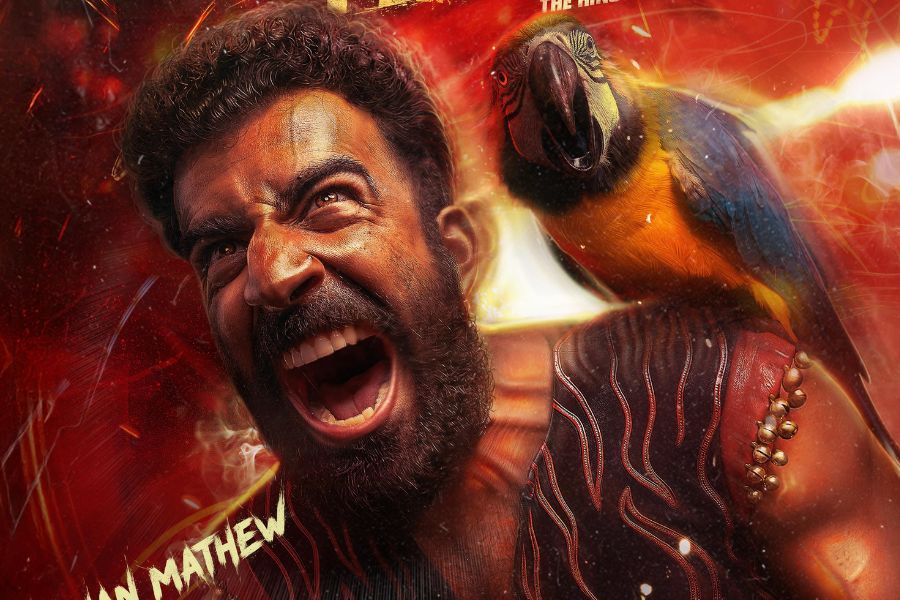
Roshan Mathew brings intensity and physicality to Vetri, but the character doesn’t give him enough space to truly shine. The potential is there, but the writing doesn’t allow his arc to fully breathe.
The supporting cast adds colour to the wrestling universe, especially during match sequences, making the fictional league feel vibrant and alive. However, the antagonist Cherian feels undercooked, with exaggerated traits that never fully convince.
Final Verdict
Chatha Pacha: The Ring of Rowdies is a film with a clear identity crisis. As a wrestling-centric action entertainer, it’s exhilarating, fresh, and visually striking. As an emotional drama about brotherhood, it feels underdeveloped and uneven.
Had the film leaned fully into its wrestling world — embracing spectacle over sentiment — it might have landed stronger. Instead, by giving equal weight to drama without building a solid emotional foundation, it ends up delivering only half its potential.
Still, for viewers who love raw energy, crowd-popping moments, and the spirit of professional wrestling, Chatha Pacha is worth stepping into the ring for.
Rating: ⭐⭐½ / 5
Best for: Wrestling fans, action lovers, and viewers looking for something visually different
Falls short for: Those expecting a deeply emotional, character-driven drama 🍿