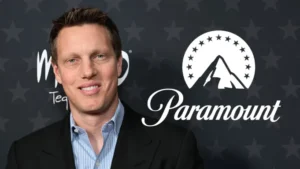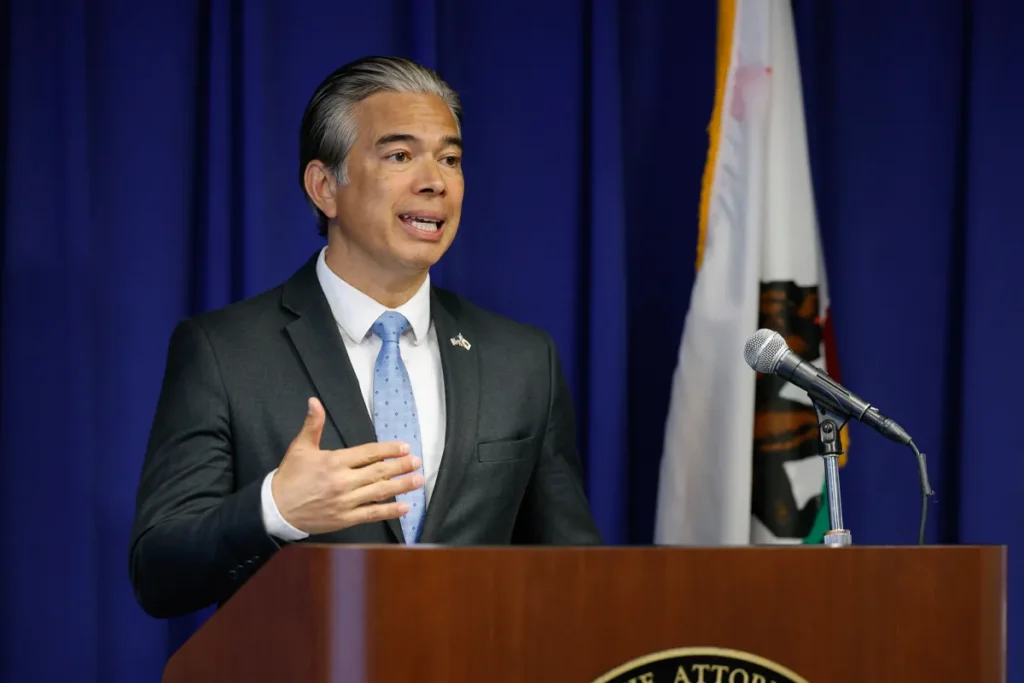
Paramount Skydance and California Attorney General Rob Bonta appear to be moving closer to a possible resolution in the legal battle surrounding Paramount’s proposed takeover of Warner Bros. Discovery. The Wall Street Journal reported that the two sides are in “advanced talks” over a potential settlement that could address California’s objections to the $110 billion-plus transaction.
The discussions remain fluid, however, and there is no guarantee that Paramount and the state will reach an agreement. Reuters separately reported that Paramount and the states could potentially reach a settlement as soon as this weekend, with independent monitoring of CNN and a commitment involving the number of theatrical releases among the terms being discussed.
The situation is particularly important because the antitrust lawsuit filed by California and 11 other states remains one of the major obstacles preventing the merger from moving forward. A federal court has already halted the transaction while the legal dispute continues, leaving Paramount under pressure to resolve the case or prepare for the scheduled trial.
What Paramount and California are discussing
According to the Wall Street Journal, one proposal discussed during negotiations would allow Paramount Pictures and Warner Bros. to continue operating their movie studios separately for a period of time after the transaction. That would mean the two studios would remain distinct operations instead of being immediately combined under one structure.
The idea addresses one aspect of the states’ concerns, but it does not necessarily resolve the broader antitrust dispute. Bonta has previously indicated that keeping the businesses operationally separate while placing them under common ownership would amount to a behavioral remedy, whereas he has sought a structural solution involving separate ownership.
Reuters reported another possible condition: independent monitoring of CNN and a commitment concerning the number of movies Paramount would release theatrically each year. Paramount CEO David Ellison has previously pledged that the combined company would release more than 30 films theatrically each year, making theatrical distribution another important part of the negotiations.
Neither side has confirmed that these conditions have been accepted. A spokesperson for Bonta’s office said, “Potential settlement talks are confidential. We cannot confirm or deny whether settlement talks are occurring or their alleged substance.”
That leaves the exact shape of any potential agreement unclear. If a deal is reached, the final terms would determine whether the states consider the changes sufficient to resolve their competition concerns.
Why the antitrust case matters
California and 11 other states filed their lawsuit in July to challenge Paramount’s planned acquisition of Warner Bros. Discovery. The coalition argues that combining the two companies would significantly increase concentration in film distribution and basic cable programming, with California’s attorney general’s office saying the transaction would combine two of Hollywood’s five major film distributors and two of the five major basic cable channel owners.
The states have also argued that the combined company could have greater leverage over movie theaters, cable distributors and consumers. Paramount has disputed the effort to block the transaction, while the legal process is continuing toward a trial scheduled for March 2027.
The Writers Guild of America has separately challenged the proposed deal on antitrust grounds. That means a settlement with the states would be an important development, but it would not automatically answer every legal issue surrounding the transaction.
The financial clock is another factor. Paramount faces a $7 million-per-day “ticking fee” payable to Warner Bros. Discovery shareholders if the transaction remains unfinished after September 30, according to recent court filings and reporting. Paramount has also asked the court to require the states and the Writers Guild to post a $1.88 billion bond to cover potential losses if Paramount ultimately prevails in the litigation. A hearing on that request is scheduled for September 24.
CNN and theatrical releases become key issues
CNN has emerged as a particularly sensitive part of the negotiations because the Warner Bros. Discovery deal would put the news network under Paramount’s ownership. Reuters reported that independent content monitoring of CNN is among the potential settlement terms being discussed.
The proposal comes amid scrutiny over how CNN would operate under the combined company. Reuters noted that critics have raised concerns about future editorial control, while Paramount would become the owner of a much larger collection of television and film assets if the merger is completed.
Theatrical distribution is another important issue because Paramount and Warner Bros. are both major Hollywood film distributors. Ellison has repeatedly discussed maintaining a substantial theatrical pipeline, including a commitment for the combined company to release more than 30 movies each year.
That commitment could address concerns about the number of films reaching theaters, but Bonta has previously questioned whether behavioral promises would provide enough protection after a merger is completed. The distinction between behavioral commitments and structural remedies remains central to the disagreement.
Paramount’s California future is also in question
The legal fight has also raised questions about Paramount’s future in California. Ellison has discussed the possibility of moving Paramount’s operations outside the state if the Warner Bros. transaction cannot close, with Tennessee, Texas and Georgia among the locations that have been mentioned.
The possibility of a relocation has added another layer to an already complicated dispute. Paramount’s historic Hollywood presence makes any potential move significant for the company and for California’s entertainment industry, although no final relocation decision has been announced. Recent reporting has also indicated that Paramount has explored potential sites outside California.
At the same time, the proposed Warner Bros. transaction has continued moving through other regulatory processes. The Federal Communications Commission recently approved Paramount’s request concerning foreign ownership connected to the proposed deal, removing another regulatory issue while the state antitrust litigation remains unresolved.
What happens next for the Warner Bros. deal?
For now, the most important development is that Paramount and California are talking rather than that a settlement has been reached. Reuters’ report suggests the negotiations could move quickly, while the Wall Street Journal and Los Angeles Times have described the discussions as active and potentially significant.
If Paramount and the states agree on conditions, the next question will be whether those terms are sufficient to resolve the pending litigation and allow the acquisition process to advance. The precise treatment of Paramount and Warner Bros.’ film studios, CNN’s operations and theatrical release commitments could all become important parts of that agreement.
If negotiations fail, the legal fight remains on track for further court proceedings, including the March 2027 trial. Until a settlement is formally announced and the relevant legal steps are completed, Paramount’s acquisition of Warner Bros. Discovery remains a pending transaction rather than a completed merger.
Paramount-Warner Bros. Merger: 6 Key Questions
Why is Paramount Skydance facing an antitrust lawsuit over Warner Bros. Discovery?
California and 11 other states have challenged the proposed acquisition, arguing that combining the companies would increase concentration in film distribution and basic cable programming.
Have Paramount and California reached a settlement?
No final settlement has been publicly confirmed. The Wall Street Journal and Reuters reported that the sides are discussing possible terms, with Reuters saying an agreement could potentially come as soon as this weekend.
What conditions are being discussed?
Reported possibilities include keeping Paramount and Warner Bros.’ film studios operationally separate for a period, independent monitoring of CNN and a commitment regarding annual theatrical releases.
Why is CNN part of the negotiations?
Warner Bros. Discovery owns CNN, meaning the proposed acquisition would place the network under Paramount’s ownership. Reuters reported that independent content monitoring is among the terms being discussed.
What is the $7 million daily fee?
Paramount faces a reported $7 million-per-day ticking fee to Warner Bros. Discovery shareholders if the transaction remains incomplete after September 30.
When is the Paramount-Warner Bros. trial scheduled?
The antitrust case is scheduled for trial in March 2027 if the litigation is not resolved beforehand.