Salman Khan has found himself at the center of another legal battle linked to one of the most controversial chapters of his career. This time, however, the Bollywood superstar isn’t appearing as an accused. Instead, he is approaching the courts to stop a film that he believes unfairly capitalizes on his identity and ongoing legal troubles.
According to the latest reports, Salman Khan has moved the Delhi High Court seeking an immediate stay on the production, promotion, release, streaming, and circulation of Kala Hiran, a film said to be loosely inspired by the actor’s infamous 1998 blackbuck poaching case. The legal move has intensified an already heated controversy surrounding the project, with allegations, counter-allegations, public statements, and even claims of death threats adding another dramatic layer to the unfolding dispute.
Salman Khan Says ‘Kala Hiran’ Violates His Personality Rights
The actor’s petition reportedly argues that Kala Hiran directly exploits his public image for commercial purposes without authorization.
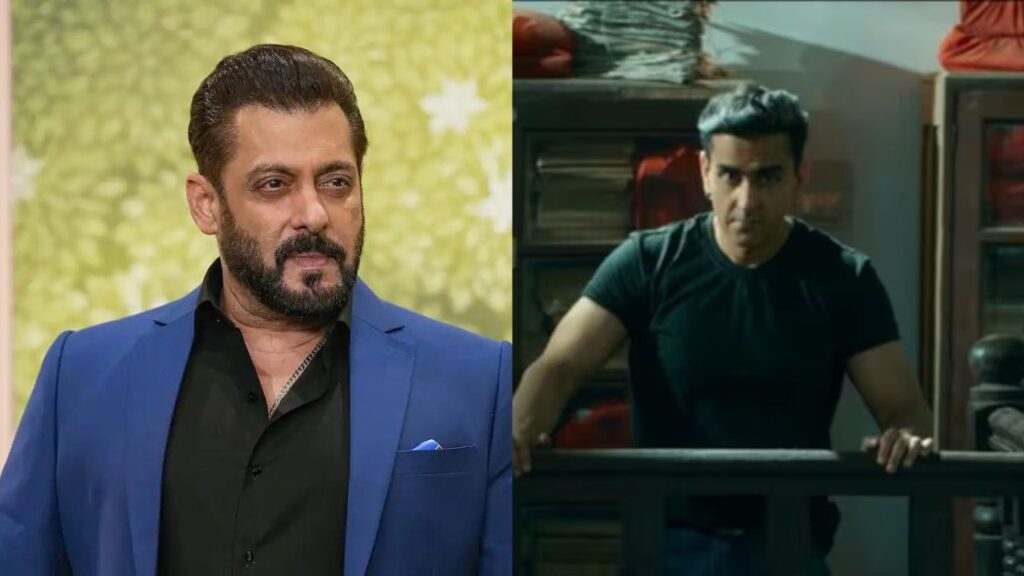
According to reports, Salman has claimed that the film’s promotional material clearly alludes to him despite not explicitly mentioning his name. One of the first posters allegedly featured an individual wearing a bracelet strikingly similar to the one that has become synonymous with the superstar’s personal style over the years.
His legal team has reportedly argued before the Delhi High Court that these visual cues are sufficient to identify him in the eyes of the public.
Salman’s petition further states that the movie violates his personality and publicity rights by using his likeness and reputation to generate attention and financial gain.
The actor has also expressed concerns that the film could negatively influence public perception while legal proceedings connected to the blackbuck case remain sensitive subjects of public discussion.
According to the petition, the release of the film could cause “irreparable harm” to his reputation and goodwill.
The Delhi High Court is expected to hear the interim injunction plea soon.
What Is ‘Kala Hiran’ Actually About?
The title itself leaves little room for ambiguity.
Translated into English, Kala Hiran means “Black Buck,” directly referencing the animal at the center of the high-profile case involving Salman Khan.
The blackbuck poaching case dates back to 1998, when allegations emerged that Salman had hunted protected blackbucks during the shooting of Hum Saath-Saath Hain in Rajasthan. The case has remained one of Bollywood’s longest-running legal sagas, generating years of courtroom developments, appeals, and intense media scrutiny.
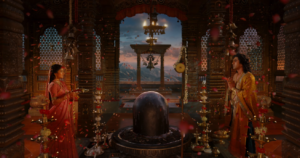
According to reports surrounding the upcoming film, Kala Hiran seeks to dramatize events inspired by the controversy while also examining themes of public perception, legacy, and justice.
The extent to which the screenplay mirrors real-life incidents remains unclear.
However, Salman’s legal representatives reportedly believe that the similarities extend far beyond general inspiration.
The first look of the film was scheduled to be unveiled today, making the timing of the court petition particularly significant.
Producer Amit Jani Refuses to Back Down
The dispute between Salman Khan and the makers of Kala Hiran didn’t begin with the Delhi High Court filing.
Earlier this month, Salman reportedly sent a legal notice to producer Amit Jani of Jani Firefox Media Private Limited.
Rather than quietly addressing the issue behind closed doors, Jani chose to respond publicly.
The producer confirmed receiving the notice and accused the actor of attempting to intimidate individuals associated with the project.
“The purpose of the notices is to intimidate people so that they succumb to his glamour. It’s his habit to intimidate. It’s my nature to not be intimidated. He thinks I’m dead. Tell him I’m not dead,” Jani wrote in a Facebook post.
According to images shared online, the legal notice was allegedly issued on April 24, 2026, and addressed to casting director Akshay Pandey.
Jani later escalated his criticism through a video statement that quickly circulated across social media platforms.
Holding the legal notice in his hand, he questioned how he was expected to respond.
“Everyone is asking me, media people, colleagues, friends, acquaintances, what is your answer to the legal notice from Salman Khan? This notice, what answer should I give?” he said.
“I have given you your answer. Now we will deal with D Company. Send whoever you want to send.”
The remarks further intensified public attention around the already controversial film.
Claims of Threats Add Another Layer to the Controversy
Beyond the legal battle, Amit Jani has also alleged that he faced serious threats following the announcement of Kala Hiran.
According to the producer, within just 36 hours of the project’s reveal, he allegedly received more than 1,000 abusive messages.
He claimed the messages included death threats, warnings of beheading, and threats against his life if he entered Mumbai.
Jani further alleged that he received threats purportedly linked to D-Company, though he acknowledged that he was unable to independently verify their authenticity or origin.
He accused sections of Salman Khan’s fanbase of participating in the harassment campaign.
These allegations have not been independently verified, and Salman’s legal representatives have not publicly responded to the claims.
As of now, the actor’s team has remained silent regarding both the producer’s accusations and the wider controversy beyond the legal proceedings themselves.
Another Sensitive Chapter in Salman’s Public Life
For Salman Khan, this isn’t simply about a film release.
The blackbuck case has followed the actor for nearly three decades, becoming one of the most defining legal controversies of his career. Every fresh reference to it inevitably reignites public debate, media attention, and strong opinions from both supporters and critics.
The Delhi High Court’s eventual decision could have broader implications as well.
In recent years, Indian celebrities have increasingly invoked personality and publicity rights to prevent unauthorized commercial exploitation of their identities. Courts have been asked to balance artistic freedom against individual reputation and privacy rights, particularly when films draw inspiration from real-life figures without explicit consent.
Whether Kala Hiran qualifies as protected creative expression or crosses the line into unauthorized appropriation may now become a question for the judiciary.
Until then, the future of the film remains uncertain.
Its first-look launch now arrives under the shadow of a courtroom battle involving one of India’s biggest superstars, ensuring that Kala Hiran has become one of the most talked-about — and controversial — projects in recent memory even before audiences have seen a single frame of the finished film.