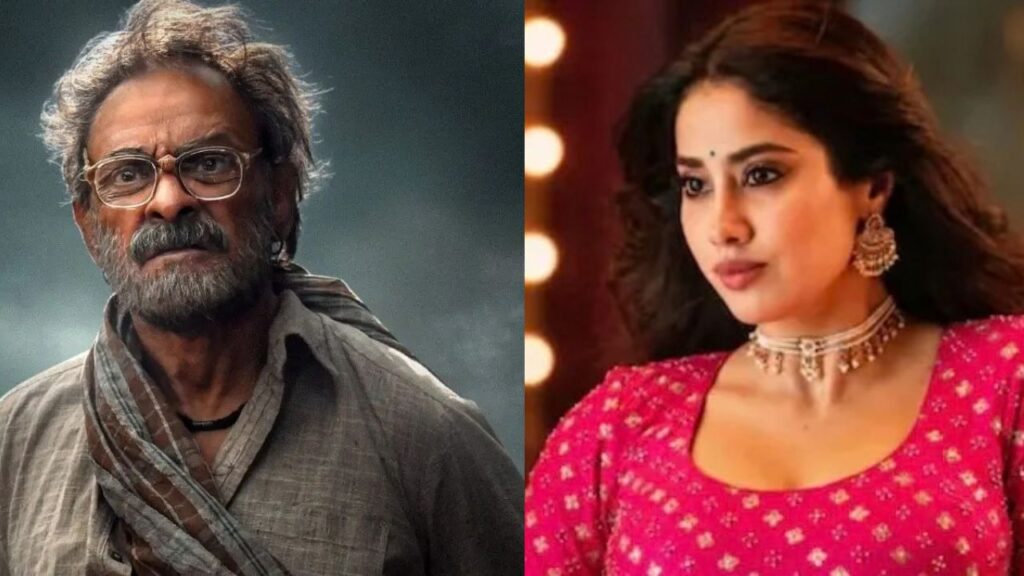
Even as Peddi continues its impressive run at the box office, the conversation around the film is no longer focused only on collections and audience turnout. Over the past few days, social media has been flooded with criticism surrounding the portrayal of Janhvi Kapoor’s character Achiyamma, with many viewers questioning how female characters were written and presented in the film. The backlash has gradually grown into one of the biggest talking points surrounding the Ram Charan starrer.
Now, veteran actor Jagapathi Babu has reportedly stepped into the debate and urged audiences to separate performers from creative decisions made during the filmmaking process. His comments arrive at a time when discussions around representation, consent, and character development in mainstream cinema continue to dominate online conversations.
Jagapathi Babu Urges Fans Not To Target Janhvi Kapoor
While criticism of Peddi has largely been directed toward specific scenes and storytelling choices, Janhvi Kapoor has found herself facing a significant amount of personal criticism online. According to reports, Jagapathi Babu believes that the actress should not be singled out for decisions that ultimately belong to the creative team behind a film.
Speaking about the controversy, the actor reportedly appealed to viewers to avoid personal attacks and online trolling. He argued that actors perform roles based on a director’s vision and that not every creative decision lands with audiences in the way filmmakers intend. Sometimes scenes resonate, sometimes they don’t, but turning criticism into personal harassment crosses a line.
His remarks quickly attracted attention online, with many social media users supporting the idea that criticism should remain focused on the work itself rather than individual performers. Others argued that discussions about problematic portrayals remain important, but agreed that personal attacks against actors rarely contribute to meaningful debate.
The comments have also added another layer to an already heated discussion, as more industry voices begin weighing in on the reception of the film and the responsibility filmmakers carry when depicting relationships and female characters on screen.
Why Achiyamma’s Character Became A Talking Point
Much of the criticism surrounding Peddi centers on Janhvi Kapoor’s character Achiyamma and the way her role unfolds throughout the narrative. Some viewers felt that the character deserved stronger development and a more substantial presence within the story. Others argued that certain scenes relied too heavily on glamour and visual presentation instead of giving the character greater emotional depth.
The discussion expanded further after audiences began debating a few romantic sequences and dialogues featured in the film. Critics of those scenes claimed they reflected outdated approaches to romance and raised questions about consent and representation. As clips and screenshots circulated online, the conversation quickly spread beyond the film’s core audience and became a broader debate about evolving expectations from contemporary Indian cinema.
At the same time, there has been another side to the discussion. Supporters of the film argue that Peddi should be viewed within the context of its fictional setting and storytelling style. Many fans have also pointed out that the movie’s central narrative focuses on community struggles, social identity, and personal resilience rather than the romantic subplot that has become the focus of criticism.
The growing controversy eventually prompted director Buchi Babu Sana to respond publicly. The filmmaker acknowledged audience concerns and apologised to viewers who were disappointed by certain scenes. He also confirmed that specific sequences would be edited or modified in future screenings of the film, a move that further fueled discussion across social media platforms.
Despite the criticism, Peddi remains one of the biggest commercial successes of the year. The film is racing toward the Rs 300 crore mark worldwide and continues attracting audiences across multiple markets. That unusual combination of box-office triumph and online controversy has made it one of the most closely watched Indian releases of 2026.
For now, the debate surrounding Janhvi Kapoor’s character shows no signs of slowing down. However, Jagapathi Babu’s intervention has shifted some of the conversation toward a larger question—where should audiences draw the line between critiquing a film and targeting the people who appear in it?