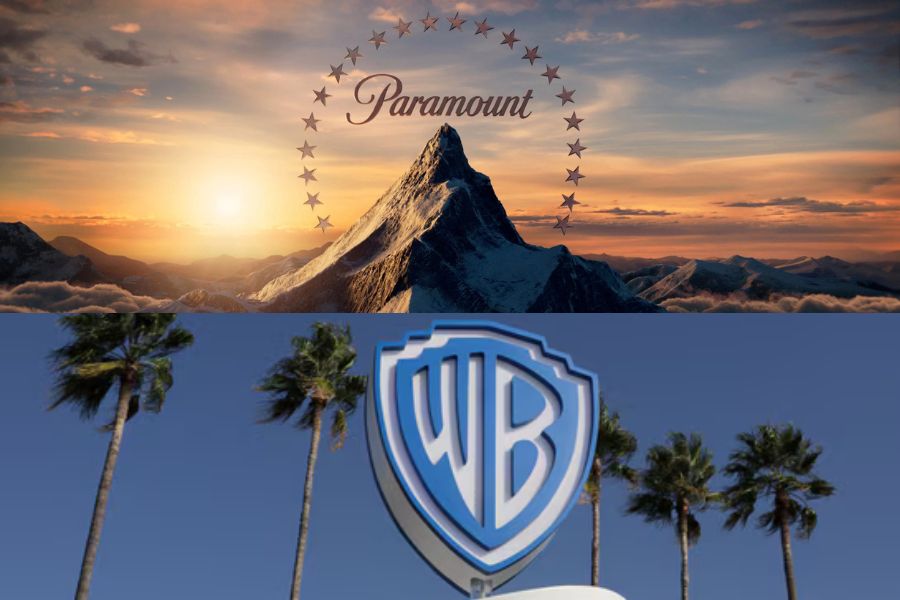
What looked like one of the biggest media shakeups in recent Hollywood history may now be heading toward a courtroom battle. Paramount’s proposed $110 billion acquisition of Warner Bros. is reportedly facing growing resistance from several US states, with officials said to be preparing legal action that could slow down or even derail the blockbuster merger before it reaches the finish line.
According to reports citing people familiar with the matter, California and New York are among the states expected to join a lawsuit aimed at blocking the deal. While the full list of participating states has not been revealed yet, the legal challenge could arrive within the next few weeks, setting up a major clash between regulators and two of the entertainment industry’s most powerful companies.
Why States Are Pushing Back Against the Merger
The proposed acquisition has attracted attention ever since Paramount emerged as the winning bidder earlier this year, beating out competing interest from Netflix and other potential buyers. Supporters of the transaction argue that combining the two media giants would create a stronger company capable of competing against streaming powerhouses and rapidly changing viewer habits.
Critics, however, see things differently. They believe the merger could place too much power in the hands of a single company at a time when the entertainment business is already becoming increasingly concentrated. Concerns have also been raised about what the deal could mean for consumer choice, pricing, content distribution, and jobs across the industry.
California Attorney General Rob Bonta was among the first major officials to publicly question the acquisition. Shortly after the deal was announced, he warned that further consolidation in important industries can reduce competition and leave consumers with fewer options. He also suggested that large mergers often result in workforce reductions and create barriers for smaller competitors trying to enter the market.
Hollywood’s Changing Landscape Adds More Pressure
The timing of the deal has made the debate even more intense. Traditional media companies have spent the last several years battling shrinking cable revenues while simultaneously investing billions into streaming platforms. At the same time, tech giants such as Netflix, Amazon, and Apple have expanded their entertainment ambitions, creating a highly competitive environment.
Warner Bros. owns some of the most recognizable brands in entertainment, including DC Studios, HBO, CNN, and several major film franchises. Paramount, meanwhile, controls assets such as Paramount Pictures, CBS, Nickelodeon, MTV, and the streaming platform Paramount+. A combined company would command an enormous library of films, television shows, sports rights, and intellectual property.
Industry observers note that regulators have become increasingly aggressive when reviewing mega-mergers in recent years. Several high-profile acquisitions across technology, publishing, and healthcare sectors have faced extended investigations or legal challenges from state and federal authorities. Because of that trend, many analysts expected the Paramount-Warner Bros. deal to face close scrutiny from the moment it was announced.
What Happens Next?
For now, the merger remains under review, and neither company has publicly indicated any plans to alter the transaction. The expected lawsuit could become one of the most important antitrust battles involving the entertainment sector in years, particularly because multiple states appear ready to coordinate their efforts.
If regulators succeed in blocking the acquisition, Paramount may be forced to reconsider its strategy or negotiate significant concessions. On the other hand, if the companies can convince courts and regulators that the merger would not harm competition, the deal could still move forward despite the growing opposition.
The coming weeks may prove crucial for the future of both companies. What started as a headline-grabbing corporate takeover is quickly turning into a broader debate about the future of media ownership in America. With billions of dollars, thousands of jobs, and some of Hollywood’s biggest franchises hanging in the balance, this story is far from over.