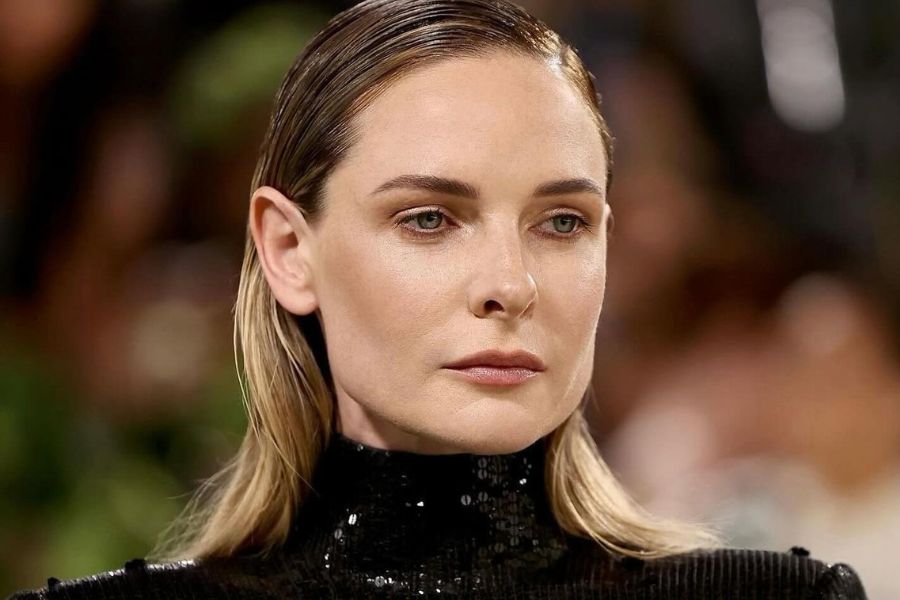
When Rebecca Ferguson opened up last year about a male co-star who screamed at her on set, the internet immediately went into detective mode. Names were thrown around, theories exploded, and social media tried to “solve” the mystery.
But according to Ferguson, that was never the point.
In a new interview with Harper’s Bazaar, the Dune: Part Two and Mission: Impossible – Dead Reckoning Part One star clarified that her viral reveal was about her own growth — not about exposing anyone.
🎭 “It Wasn’t About the Person”
Ferguson explained that at the time of the incident, she felt scared and vulnerable. She didn’t know how to pull a colleague aside privately or stand up for herself in a professional way.
Now, with years of experience behind her, she believes she would handle it differently.
Her story, she says, wasn’t meant to name or shame. It was about recognizing how far she has come — and how film sets have evolved.
💬 The Original Revelation
During her Dune: Part Two press tour in February 2024, Ferguson described working with an “idiot” co-star who screamed at her in front of the crew. She said the actor’s behavior made her cry and left her feeling unsupported.
According to her account, the co-star — who was number one on the call sheet — openly questioned her talent during filming. Ferguson said she eventually reached a breaking point and told the actor she would only perform scenes facing the back of his head if necessary.
Producers reportedly tried to intervene, but Ferguson stood her ground — marking the first time she had truly spoken up for herself on set.
🎬 Industry Change and “The Pendulum Swing”
Ferguson believes film sets today are moving in a healthier direction.
Addressing conversations around the industry becoming “too woke,” she disagreed. In her view, the shift toward accountability and safer work environments is necessary.
“The pendulum needs to swing,” she said, suggesting that only by correcting past imbalances can the industry eventually find a healthier middle ground.
🌟 Support From Co-Stars
After her comments went viral, speculation swept social media, with names like Hugh Jackman and Tom Cruise trending — despite no confirmation.
One actor who publicly supported her was Dwayne Johnson, her co-star from Hercules. Johnson praised her for standing up to unprofessional behavior.
Ferguson later revealed that several former co-stars personally reached out to her, worried they might be suspected. Her response? If you’re a good person, you have nothing to worry about.
🎯 Why Her Words Still Matter
Ferguson’s clarification shifts the focus away from gossip and toward growth. The takeaway isn’t about identifying a villain — it’s about empowerment.
Her story underscores how power dynamics on film sets have changed over time, and how actors — especially women — are increasingly finding their voice in environments that once felt intimidating.
Final Words
Rebecca Ferguson isn’t interested in fueling speculation. For her, the viral moment wasn’t about naming a co-star — it was about acknowledging fear, reclaiming confidence, and recognizing progress.
And in an industry built on image and hierarchy, that quiet shift might matter more than any headline.