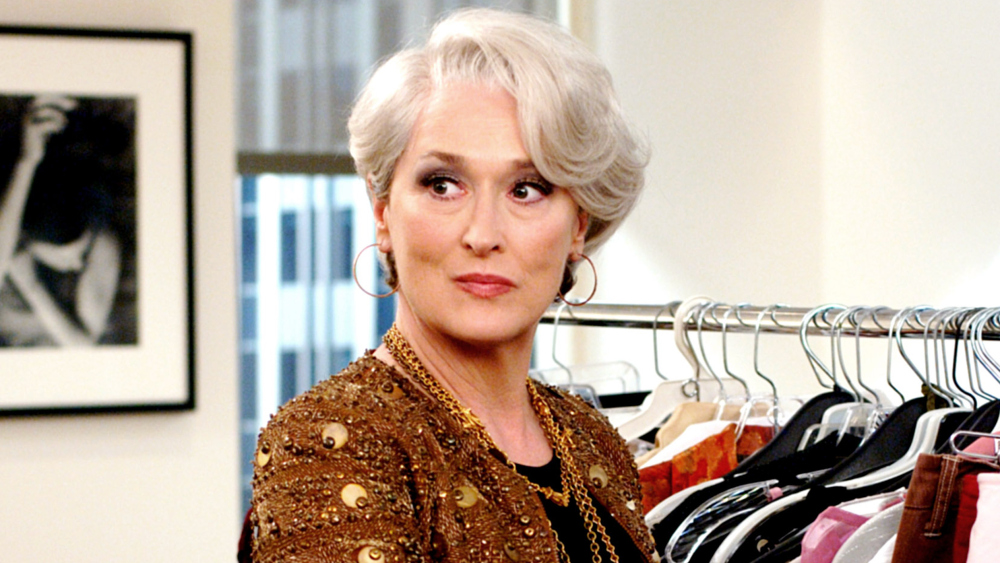
There’s something about Miranda Priestly that has always made her more than just a strict boss, and now even Meryl Streep is leaning into that idea more openly. As conversations around The Devil Wears Prada 2 pick up, Streep recently shared that the sequel doesn’t try to box characters into simple labels like hero or villain. Instead, it goes for something a bit more real, even if that means things feel messy or uncomfortable at times.
Speaking during a chat on the Hits Radio Breakfast Show with Fleur East, Streep explained that she’s not very interested in the kind of storytelling where everything feels black and white. She pointed out how modern films often fall into that trap of clearly defined good guys and bad guys, something she finds honestly quite boring. According to her, real life doesn’t work like that, and the sequel reflects that idea by showing characters who are flawed, layered, and sometimes hard to fully understand.
That shift is especially visible in how Miranda is written this time around. The sequel reportedly digs deeper into her personal and professional struggles, showing a side that feels more vulnerable than before. At the same time, her relationship with Andy Sachs, played again by Anne Hathaway, continues to stay complicated. Andy is no longer the unsure assistant from the first film, but she’s still caught in that push-and-pull dynamic of seeking Miranda’s approval while trying to hold onto her own identity.
The backdrop this time also adds a different kind of pressure. The publishing world is shown struggling, and Miranda is dealing with public scrutiny and changing industry expectations. That tension gives the story a slightly heavier tone compared to the original, which leaned more on sharp humor and fashion-world satire. Now, it feels like the stakes are not just professional, but personal too, especially for characters who are trying to stay relevant in a shifting media landscape.
The film also brings back familiar faces like Emily Blunt, Stanley Tucci, and others who were part of the original’s charm, while adding new names such as Kenneth Branagh, Lucy Liu, Justin Theroux, and even Lady Gaga into the mix. That combination of old and new gives the sequel a slightly broader world, but also raises expectations because audiences already have a strong emotional connection with these characters.
Interestingly, while some critics haven’t been completely sold on the film, audience reactions are telling a different story. The movie is performing well at the box office and seems to be connecting with viewers who enjoy character-driven storytelling rather than straightforward narratives. That gap between critical response and audience love is something we’ve been seeing more often lately, especially with films that rely on emotional nuance rather than spectacle.
In the end, what stands out from Streep’s take is quite simple but important. She isn’t trying to make Miranda more likable or softer just for the sake of it. Instead, the film allows her to remain sharp, demanding, and intimidating, but also human in ways that weren’t fully explored before. And maybe that’s exactly why the character still works after all these years — she doesn’t fit neatly into any one box, and this sequel seems to embrace that fully.